
 Kitchen remodeling
 Bathroom remodeling
 Home additions & ADU
 Roofing
 Windows & doors
 Driveway & pavers
 Fence
Free written scope consultation - allowances, timeline, and change-order rules on paper before a single trade is scheduled
GAF Construction in Chinatown, CA | San Bruno Construction
We’re an independent construction firm handling GAF roofing repair, replacement, and specialty installation throughout Chinatown. What makes our GAF work here different is simple: we’ve spent over a decade learning how these roofs behave on century-old brick and timber buildings packed shoulder-to-shoulder with zero lot lines. That local knowledge changes how we approach everything from shingle selection to flashing details. If you need honest GAF service on a building that’s been standing since before the 1906 quake, call San Bruno Construction at (866) 472-1908.
Why Chinatown Residents Choose Us for GAF Service
Most roofing crews offering San Francisco GAF service know these shingles from a warehouse shelf. We know them from Chinatown’s rooftops, where fog off the bay keeps wood decking damp eleven months a year and a shared party wall means your flashing detail is also your neighbor’s flashing detail. Our crews train on GAF’s installation specifications and stay current with product updates, but we don’t carry a manufacturer authorization, and we won’t pretend to. You get straight answers about what a GAF system will and won’t do on your building.
Noel Carvalho owns San Bruno Construction, and he grew up off El Camino Real in San Bruno watching the city get built up around him. That early exposure to how buildings actually go together shaped how we run every GAF job in Chinatown: check the decking first, understand the load path, and never assume the original framing is sound just because it’s still standing. When a homeowner asks us to “just lay new shingles over the old ones,” we’ll show them photos of cupped, rotted sheathing and explain why that’s money wasted. Good construction doesn’t announce itself – it just works, year after year.
Styles & brands we work with
Common GAF Construction Problems We Solve in Chinatown
- Wind uplift at party-wall edges. On shared walls between buildings, we regularly see GAF Timberline HDZ shingles lifting because the original wood decking has swelled and cupped from decades of marine moisture. The shingles never sealed properly in the first place. We remove the affected course, address the decking, and re-install with GAF-manufactured sealant rated for the exposure.
- Adhesive failure on GAF Liberty self-adhered membranes. Low-slope roofs above storefronts trap dampness in century-old timber structures with poor ventilation. The membrane lets go at the laps. We strip the failed sections, dry the substrate properly, and re-apply with mechanical fastening at the perimeter where the adhesive alone won’t hold.
- Granule loss and blistering on GAF Timberline shingles. Repeated fog-cycle condensation in narrow light wells starves the attic of airflow. Shingles cook and then soak, over and over. We check the ventilation math before recommending repair or replacement, because new shingles on a suffocating roof fail the same way.
- Fastener corrosion and membrane punctures on GAF EverGuard TPO. Foot traffic and equipment during adjacent seismic retrofit work stress seams and leave punctures that go unnoticed until the first real rain. We inspect TPO seams with a probe, not just a visual pass.
- Uneven decking under GAF overlay work. Many Chinatown roofs are original 1906-era wood sheathing patched with tar and roll roofing for decades. Any GAF overlay or replacement has to address rotted, uneven decking first, and that’s a scope standard tear-off crews rarely anticipate.
GAF Service in Chinatown: What Local Conditions Mean for Your Equipment
Here’s the detail you won’t find on a generic GAF page or a city permit site. Most of Chinatown’s buildings sit on original wood sheathing that predates the 1906 earthquake and fire, and that sheathing has been patched so many times with tar and roll roofing that the deck is no longer flat, no longer fully sound, and often no longer dry. When a standard crew tears off the old roof and slaps down new GAF Timberline underlayment and shingles, they’re fastening to a surface that’s cupped, spongy in places, and holding moisture against the new underlayment. The shingles may look fine from the street for a year or two. Then the fog settles in, the trapped moisture expands and contracts, and the fasteners start to work loose. We see it on Grant Avenue storefronts and Stockton Street walkups alike.
That’s why our first step on any GAF replacement in Chinatown is a decking inspection that goes deeper than a visual check. We probe for soft spots, check fastener pull-out in the old growth timber, and map the low points where water pools. If the deck is salvageable, we sister what’s rotted and hit the high spots with a power planer. If it’s not, we replace it before a single shingle goes down. This is the difference between a roof that lasts twelve years and one that fails in four. It’s also the difference between a quote that covers the real work and one that “discovers” the rotten decking halfway through the job.
GAF Models & Products We Service in Chinatown
We work with the GAF lines that actually show up on Chinatown’s roofs: Timberline HDZ Architectural Shingles for steep residential slopes, EverGuard TPO Single-Ply Membrane for flat and low-slope commercial roofs, Liberty Self-Adhered Roofing for low-slope residential over storefronts, and Ruberoid Roll Roofing for the patch-and-flash details older buildings still carry. For waterproofing components, we use GAF-manufactured accessories because the compatibility matters at the laps and penetrations. For fasteners and sealants on marine-exposed edges, we specify high-quality aftermarket options rated for salt air and constant moisture when they outperform the standard GAF kit. We stock the common flashing, underlayment, and sealant profiles used across GAF sales & service jobs so turnaround in Chinatown stays tight.
See the difference
 Before
 After
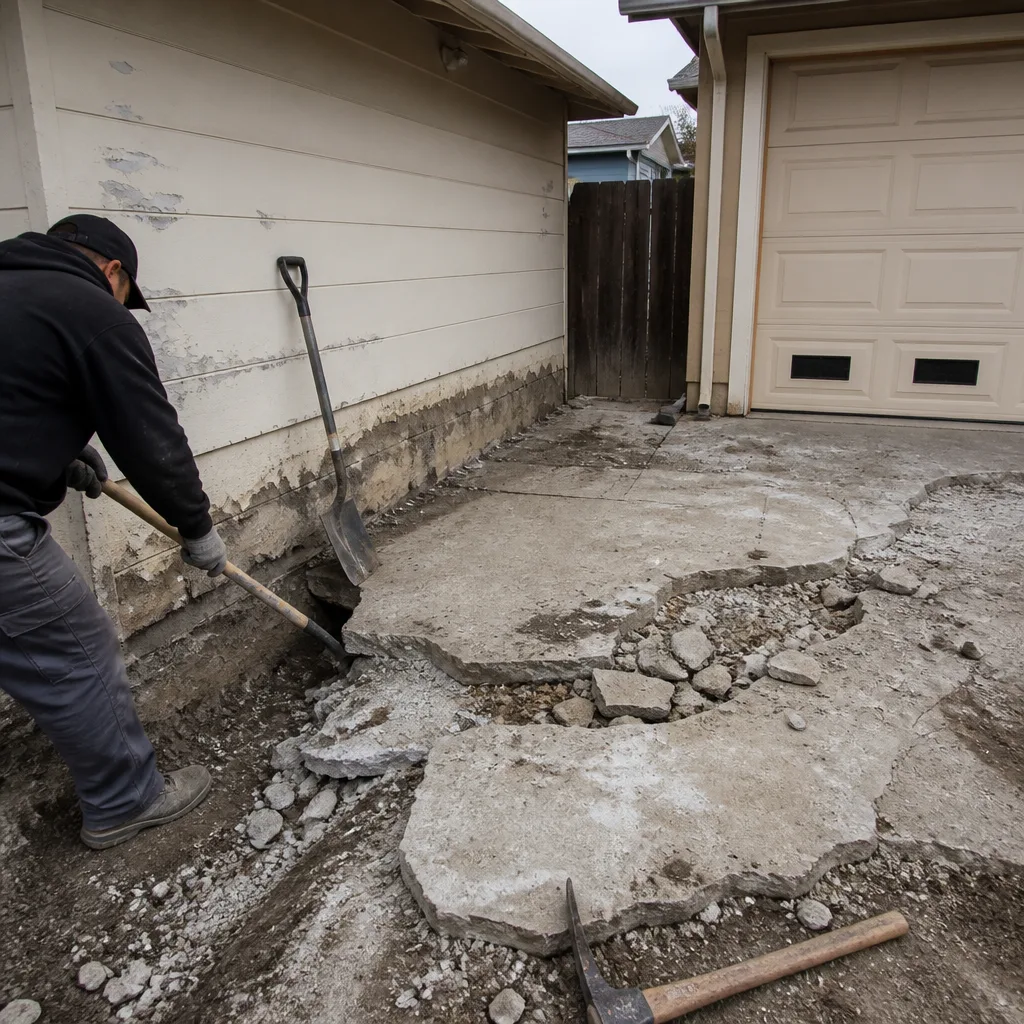 Before
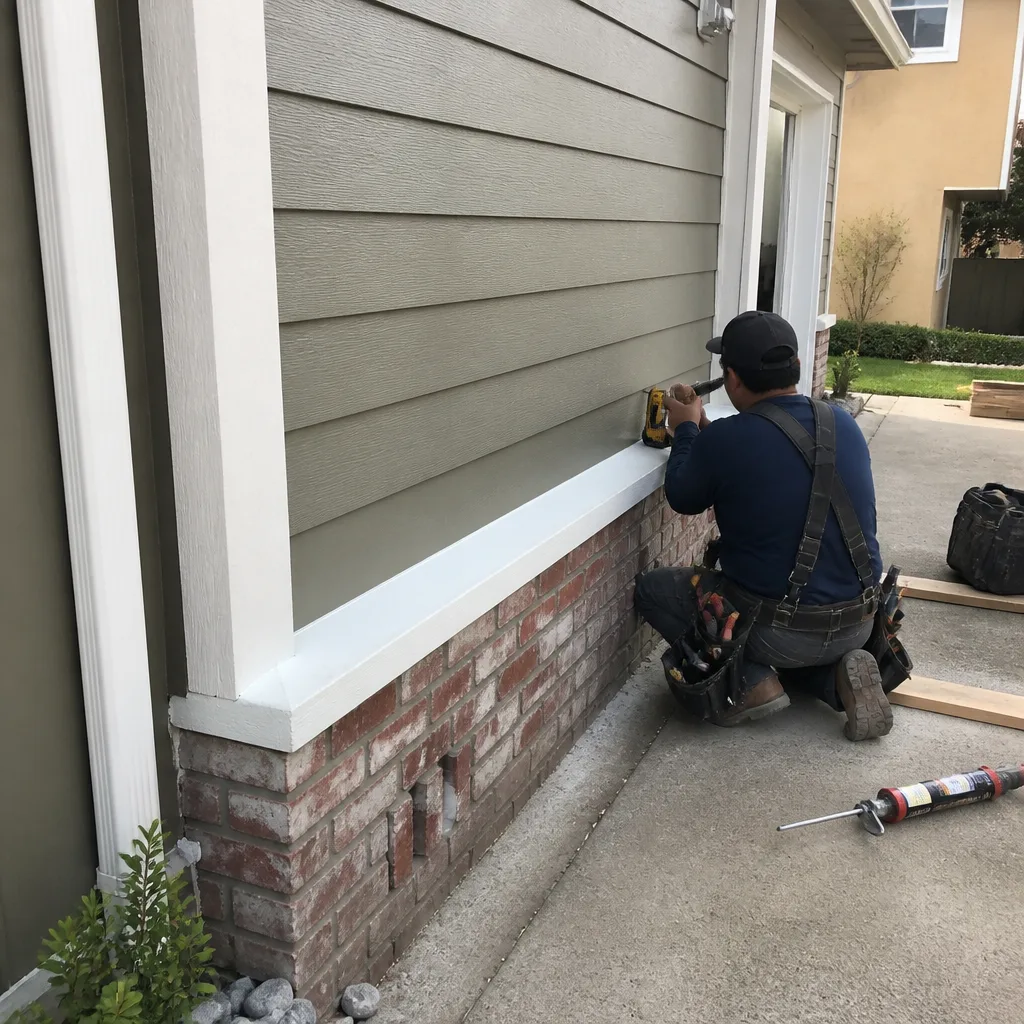 After
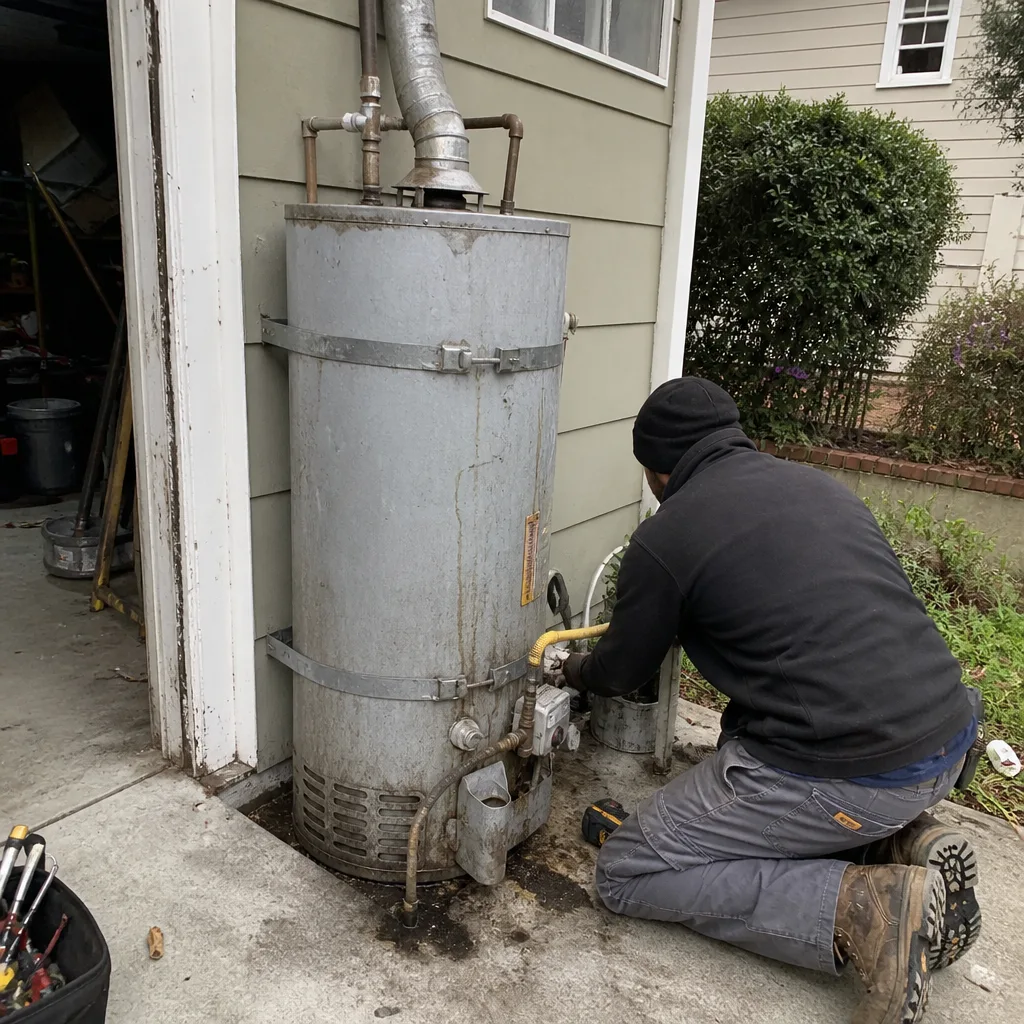 Before
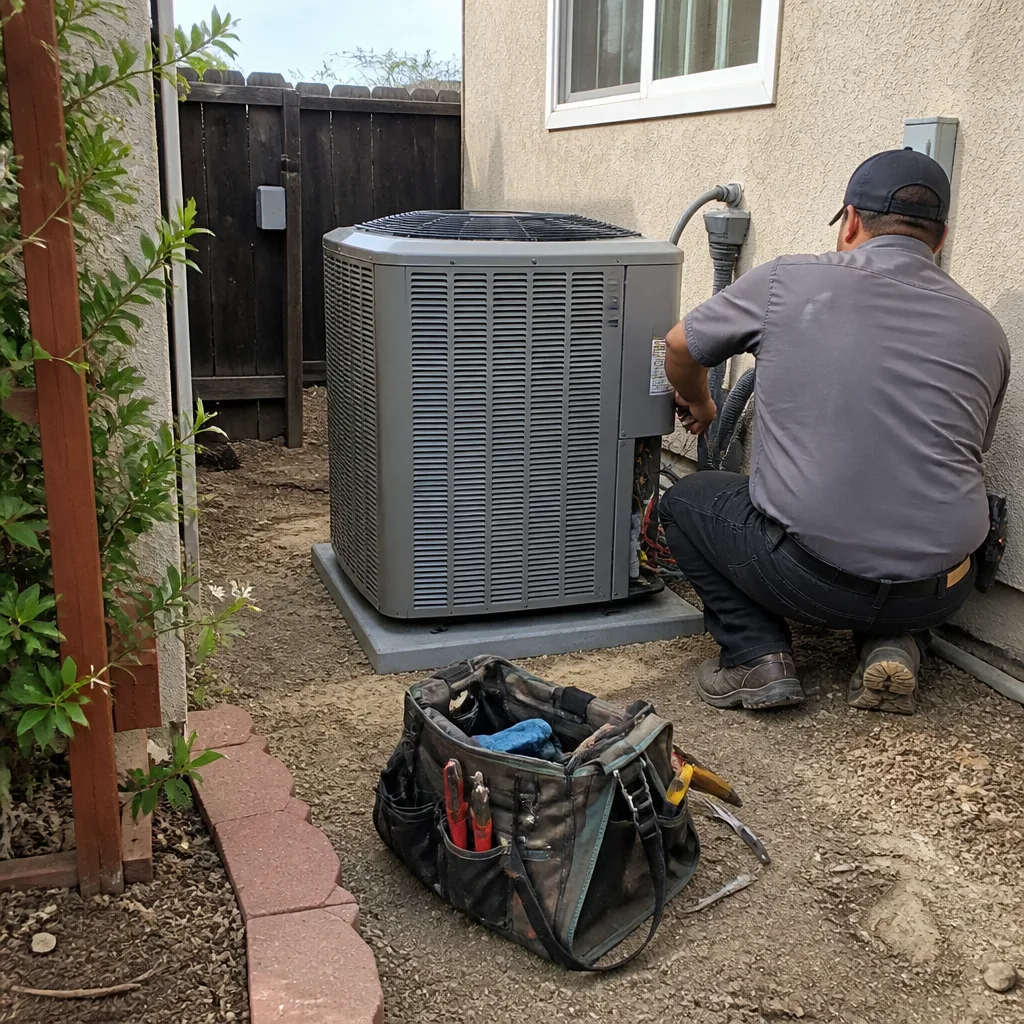 After
GAF Service Pricing in Chinatown
Roof work in Chinatown costs more than GAF in Mission District or the Sunset, and there’s no honest way around that. Access is harder, the buildings are older, and the decking almost always needs more prep than anyone expects. Here’s where current pricing lands for GAF work in the 94133 zip code:
| GAF Service | Typical Price Range |
|---|---|
| Roof Repair | $400 – $1,800 |
| Roof Replacement | $8,000 – $20,000 |
| Tile Roof Repair | $600 – $2,500 |
| Metal Roof Installation | $15,000 – $40,000 |
What drives the spread is decking condition, roof access, and whether a party wall flashing detail requires coordination with an adjacent owner. A free estimate from us includes a roof inspection, decking assessment, and a written line-item quote so you can see exactly where the money goes. Call (866) 472-1908 to schedule yours.
Serving Chinatown, CA — Our Local Coverage Area
We’re based in the Chinatown area and know this community well, and we also provide GAF service in Noe Valley. Use the map below to see our service coverage — if you’re nearby, we can almost certainly help.
FAQs – GAF Construction in Chinatown
Yes, and we do it regularly. The key is the flashing detail at the shared wall. We coordinate with the neighboring owner or family association, document the existing condition on both sides, and install a watertight transition that works for both buildings. Call (866) 472-1908 and we’ll walk the roofline with you and explain the approach for your specific party wall.
For most low-slope roofs over Chinatown storefronts, GAF EverGuard TPO is the strongest choice because it welds at the seams and handles ponding water better than asphalt-based systems. On smaller residential low-slope sections, GAF Liberty self-adhered can work if the deck is properly dried and ventilated first. We’ll give you a straight recommendation after inspecting the existing roof.
The fog creates constant condensation cycles that saturate the decking and underlayment, which causes shingles to cup, fasteners to corrode, and granules to release faster than they would in a drier climate. The fix is better attic or light-well ventilation and a decking inspection before any new GAF shingles go down. Without that, any shingle brand will underperform here.
Yes. Seismic retrofit work and adjacent construction are common sources of punctures, seam stress, and flashing damage on GAF roofs in Chinatown. We inspect the affected area, document what’s failed, and repair with GAF-compatible materials. If you’ve had scaffolding or equipment on your roof recently, call (866) 472-1908 for an inspection before the next rain.
A full roof replacement on a building in Chinatown typically requires a building permit from the SF Department of Building Inspection, and because most of this district falls under historic preservation review, you may need additional sign-off from the SF Planning Department. The Chinatown Community Development Center often weighs in on storefront and facade work as well. We pull the permits and handle the coordination so you’re not left sorting it out on your own.
Service Areas Near Chinatown
We run GAF roofing service from Chinatown through Chinatown service area and into the surrounding cities. That includes San Bruno, South San Francisco, Millbrae, Brisbane, Burlingame, and Colma. If your building sits a few blocks outside the 94133 zip, we still cover it. For coastal work down the peninsula, see GAF service in Half Moon Bay and GAF service in San Carlos.
Book Your GAF Service in Chinatown Today
If your Chinatown roof is leaking, lifting, or just showing its age, or if you need Visitacion Valley GAF service, call San Bruno Construction at (866) 472-1908. We’ll schedule a roof inspection, write up a line-item quote, and tell you honestly whether repair or replacement makes sense. Estimates are free. The coffee in Chinatown is good, and we’re happy to talk roofing over a cup.
Written by Noel Carvalho, Owner at San Bruno Construction, serving Chinatown and San Mateo County since 2002.