

 Kitchen remodeling
 Bathroom remodeling
 Home additions & ADU
 Roofing
 Windows & doors
 Driveway & pavers
 Fence
Free written scope consultation - allowances, timeline, and change-order rules on paper before a single trade is scheduled
Silestone Construction in Stanford, CA | San Bruno Construction
We provide independent Silestone installation and repair across Stanford’s 94305 zip code, working with faculty housing, graduate apartments, and Stanford Research Park tenant spaces. What sets our Silestone work here apart is understanding the university’s design review process and the soft-soil seismic realities that shape every installation. If you’re dealing with a cracked seam, a chipped island edge, or planning a full countertop replacement, call (866) 472-1908 for a free estimate from a contractor who knows this campus better than most map apps do.
Why Stanford Residents Choose Us for Silestone Service
We’ve installed and repaired Silestone surfaces in Stanford faculty apartments near the Main Quad, in graduate housing kitchens, and in Research Park build-outs. That means we know which slab batches hold up under daily institutional use and which edge profiles fail first when a kitchenette sees forty residents a day. Our crew stocks OEM Silestone color-matched adhesives and edge kits for the Eternal Series, Calacatta Gold, Charcoal Soapstone, and Lyra lines, so repairs don’t wait on a distributor’s shipping schedule.
Noel Carvalho, our owner, grew up off El Camino Real in San Bruno and trained in construction technology at Skyline College. He’s spent two-plus decades running residential and institutional projects across San Mateo County, including Stanford jobs where the real challenge isn’t the quartz, it’s getting the design review paperwork right the first time. We’re an independent General Contractor – Stanford area Silestone service provider, not a manufacturer-authorized shop, which means we recommend the fix that makes sense, not the replacement that pads a quota.
Styles & brands we work with
Common Silestone Construction Problems We Solve in Stanford
- Hairline cracks along seams in graduate housing kitchens. We see this in shared kitchenettes where a refrigerator kicks heat into the counter run while a cold-water tap runs on the same slab. The rapid temperature swing stresses the adhesive joint. Stanford’s dense graduate apartments amplify this because kitchens run nearly continuously. We repair the seam with color-matched adhesive and re-level the slab where settling contributed.
- Etching and dulling around sinks in faculty apartments. Stanford’s hard water, combined with acidic cleaners faculty often use on quartz, leaves a chalky ring around faucet bases and sink rims. It’s not a stain, it’s surface etch. We repolish the affected area and, when asked, recommend a cleaner that won’t dull Silestone’s resin binder.
- Edge chipping on islands in shared kitchenettes. Silestone edges chip where the slab meets cabinet runs, especially when heavy cookware swings into the corner. In Stanford’s shared graduate housing, a single island might serve dozens of residents weekly, so chips accumulate fast. We re-profile and color-fill the edge, matching the original slab’s mineral pattern.
- Staining on lighter Silestone colors in sun-exposed kitchens. Mid-century faculty housing on the Peninsula floor gets strong afternoon sun through kitchen windows. Lighter lines like Calacatta Gold and Lyra can show oil or wine staining if spills aren’t wiped quickly. We remove surface discoloration and can apply a protective seal on request, though most Silestone doesn’t need sealing unless the owner prefers it.
- Island seams separating in buildings with slab settlement. Stanford sits on soft Bay-mud and alluvial soils, and buildings near the creek corridors settle unevenly over decades. A counter that was dead-flat at installation can develop a visible seam gap as the cabinet run shifts. We assess whether the slab needs releveling or just a seam re-bond, and we tell you which one before touching a tool.
Silestone Service in Stanford: What Local Conditions Mean for Your Equipment
Here’s something a generic Silestone page won’t tell you: Stanford’s design review for historic core buildings often requires exterior surfaces and visible interior finishes to match Mission Revival character. If your Silestone installation is in a Main Quad-era building, the university’s architectural review process applies, and that review can require documentation no neighboring city demands. We’ve handled submittals and coordination with university project managers, which means we know what a design review board will ask before they ask it. That saves you weeks of back-and-forth.
And the soils matter more than most people expect. Near the Quad and along the creek corridors, the ground is soft alluvium that moves with seasonal moisture. A counter installed on an unlevel cabinet base in this soil will telegraph that movement into the slab, eventually showing as a hairline crack or a seam that won’t stay closed. We install with the understanding that Stanford ground moves, and we account for it with proper substrate prep and flexible seam techniques where appropriate.
Silestone Models & Products We Service in Stanford
We service the Silestone Eternal Series, Calacatta Gold, Charcoal Soapstone, and Lyra lines, along with discontinued colors that still cover thousands of square feet in older Stanford housing. For repairs, we use OEM Silestone color-matched adhesives and edge kits when the line is current, which keeps warranty eligibility intact where possible. For discontinued colors, we source quality aftermarket color-matched epoxies and sealants that perform comparably. We assess repairability first. Most chips and seams in Stanford kitchens can be fixed without a full slab replacement, which matters when that replacement would trigger another design review round.
If you’re weighing Silestone sales & service for a new build or remodel, we can walk you through which colors hold up best under institutional use and which edge profiles resist chipping in shared kitchens.
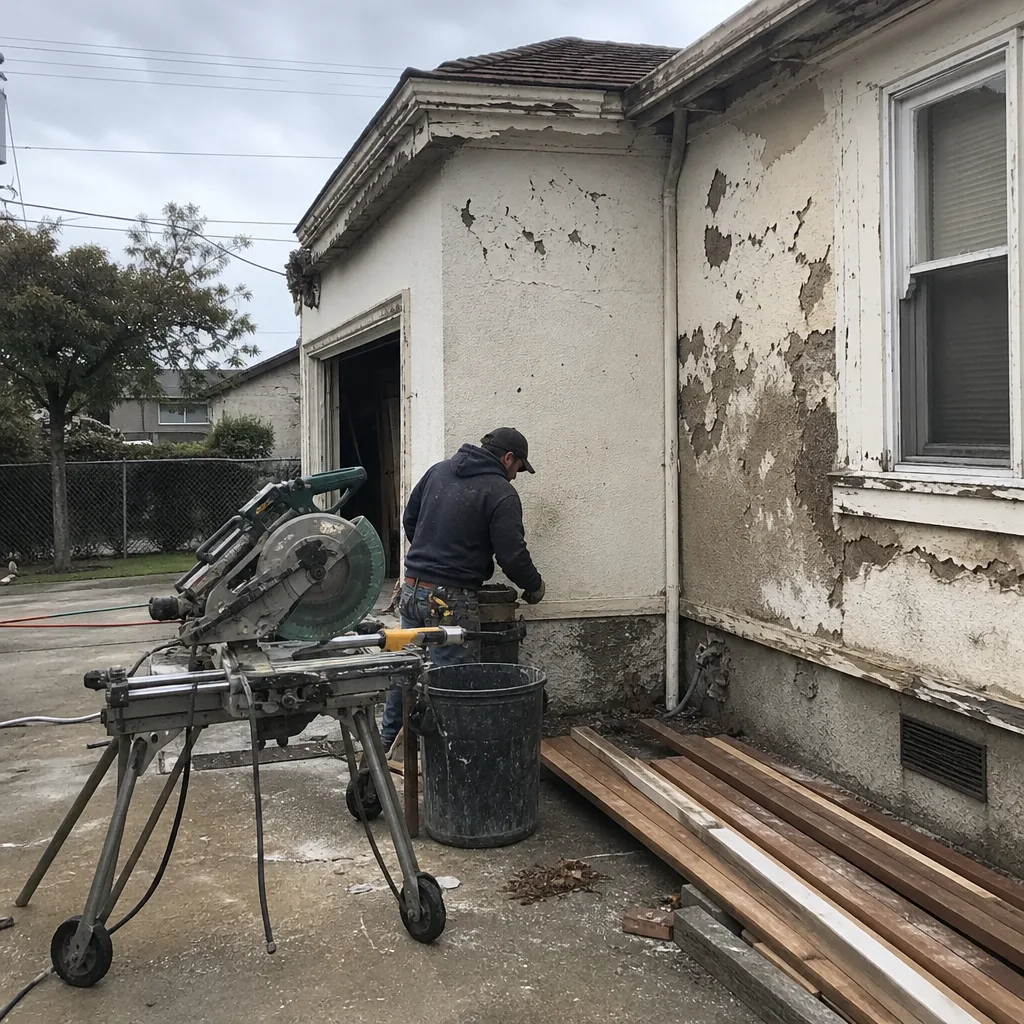
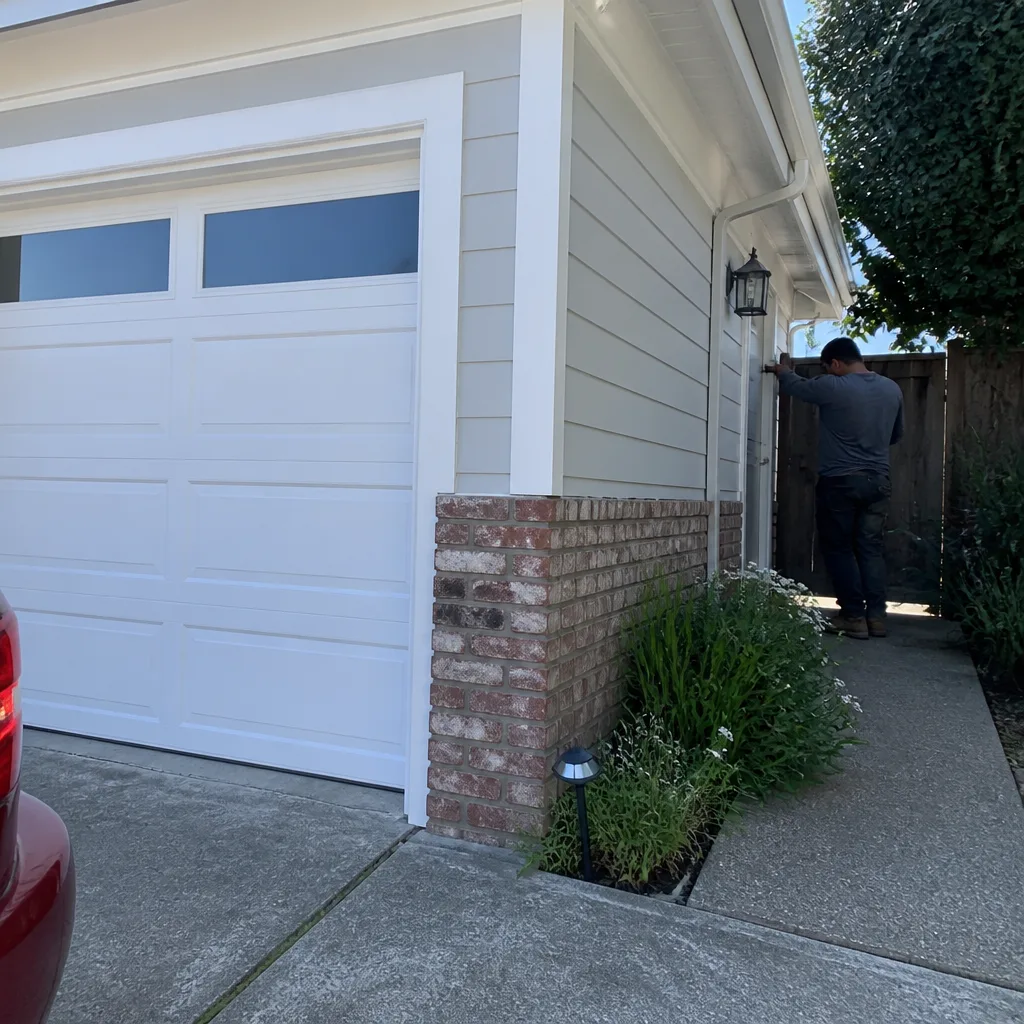
See the difference
 Before
 After
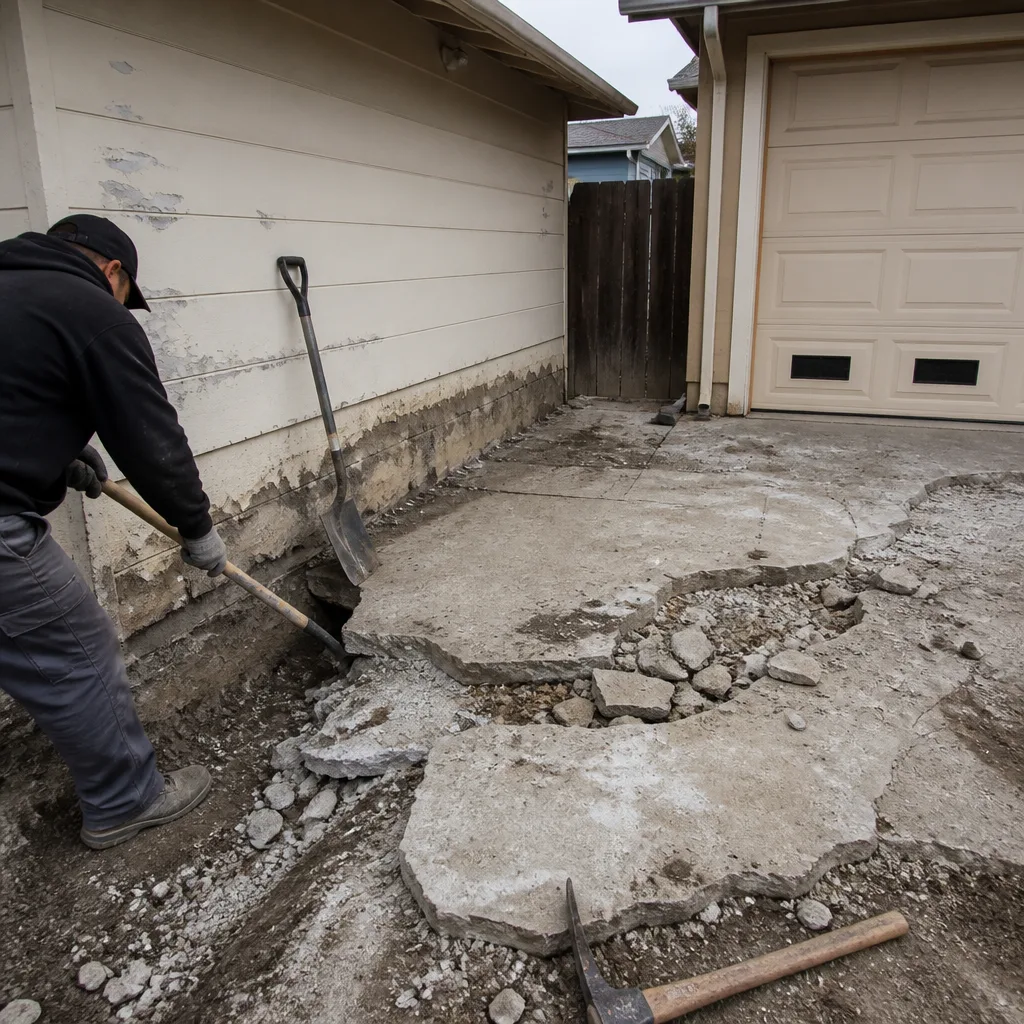 Before
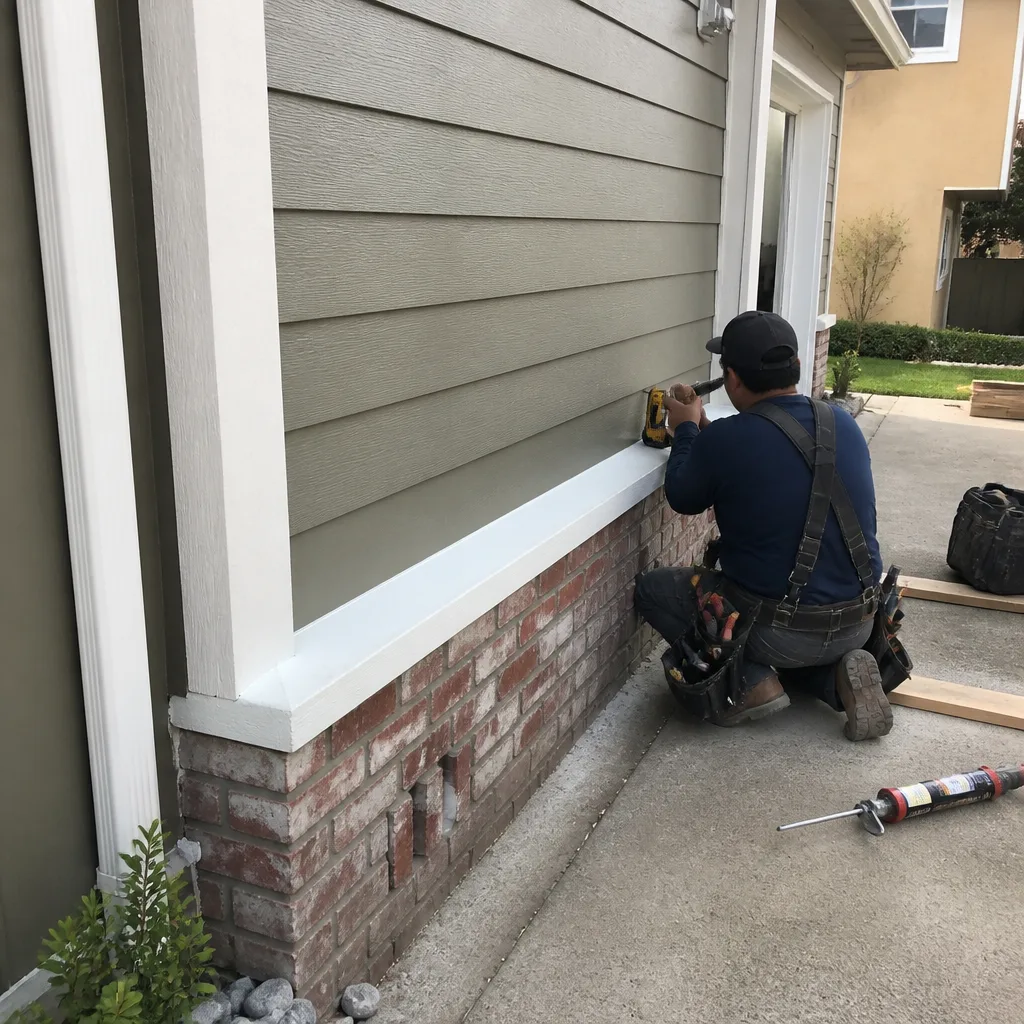 After
 Before
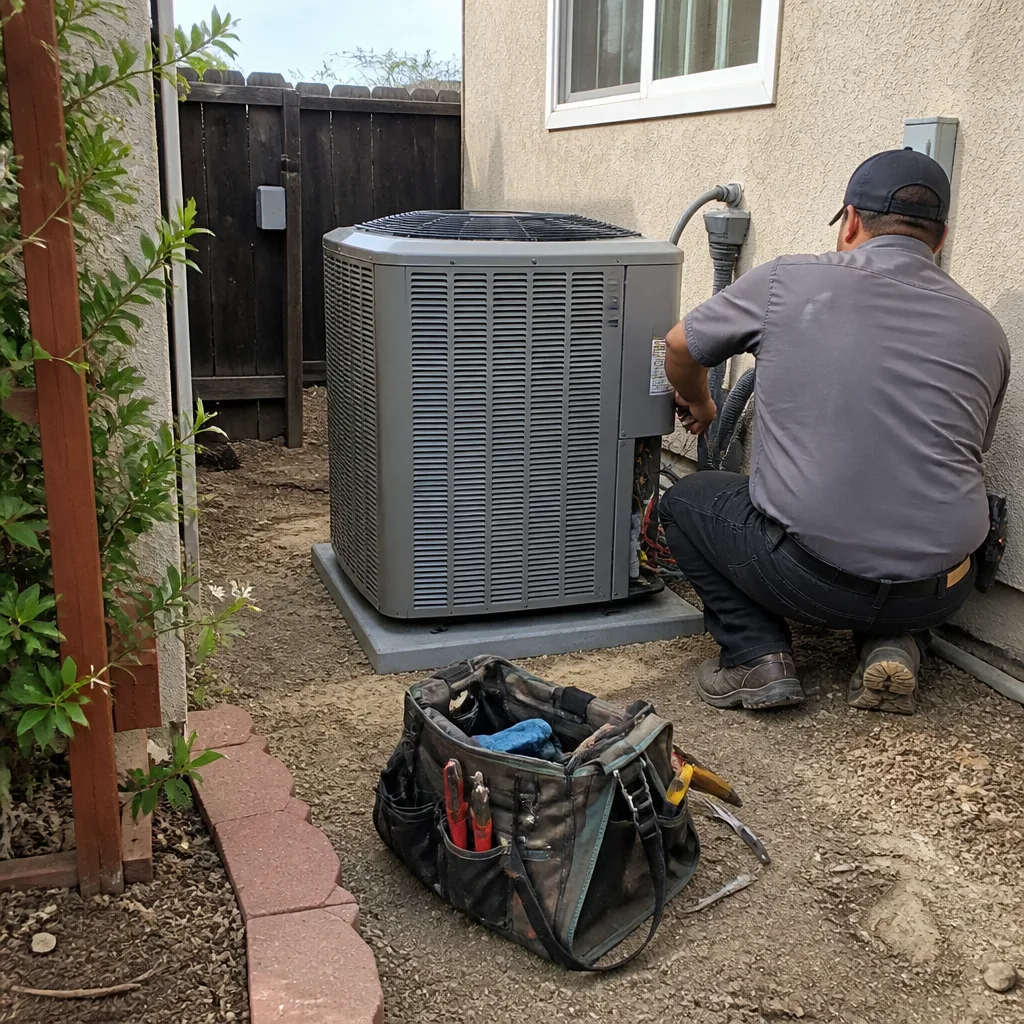 After
Silestone Service Pricing in Stanford
Here’s what Silestone work typically runs in the Stanford market. These are honest ranges, not lowball bait:
| Service | Typical Range |
|---|---|
| Countertop Installation | $2,000 – $6,500 |
| Kitchen Island Installation | $3,000 – $10,000 |
| Backsplash Installation | $800 – $2,500 |
What drives the price in Stanford specifically: whether the building falls under university design review, how much substrate or cabinet releveling the soft soil demands, and whether the slab matches a current production line or a discontinued color that needs a color-match. Our free estimate includes a written line-item quote with no change orders unless you change the scope. Call (866) 472-1908 for an exact number on your project.
Serving Stanford, CA — Our Local Coverage Area
We’re based in the Stanford area and also provide Silestone service in West Menlo Park, so we know this community well. Use the map below to see our service coverage — if you’re nearby, we can almost certainly help.
FAQs – Silestone Construction in Stanford
Yes. If the space sits in a Main Quad-era building or any structure covered by the university’s design review, Silestone replacement in a visible kitchen area must go through Stanford’s architectural review process. We prepare the submittal with the correct finish, edge profile, and color documentation, and we coordinate with the university’s project managers so approval doesn’t stall your schedule. Call (866) 472-1908 and we’ll tell you upfront whether your address triggers review.
In most cases, yes. We color-match the chip with OEM adhesive when the line is current, re-profile the edge, and blend the repair into the surrounding surface. A full slab replacement is only necessary when the chip cracks through the slab’s structural thickness or spans a seam. Research Park tenant spaces often have high-use counters, so we build the repair to hold up under that daily load.
Calacatta Gold and Lyra dominate in faculty kitchens and Silestone service in Los Altos area homes because they pair well with the warm, traditional cabinetry found in mid-century faculty housing. Charcoal Soapstone shows up more in Research Park build-outs and modern remodel projects. The Eternal Series is common in graduate housing renovations where durability and clean lines matter more than a specific stone look. We keep color-matched materials on hand for all four families.
Stanford’s Bay-mud and alluvial soils settle unevenly over years, especially near creek corridors and the Quad. That settlement can twist a cabinet run enough to open a seam or stress a slab. We check substrate level before installation and use flexible seam techniques where the building’s history suggests movement. It’s not optional here, it’s the difference between a counter that lasts ten years and one that cracks in three.
Yes. We’ve done Silestone work in Research Park lab and office build-outs, and we understand the landlord’s and university’s expectations for durability and finish. Tenant improvement schedules are often tight, so we coordinate our Silestone installation around other trades rather than being the trade that holds up the schedule. Call (866) 472-1908 for a free estimate on your TI scope.
Service Areas Near Stanford
From our shop we serve Stanford and the surrounding Peninsula, including Stanford service area, Silestone service in Palo Alto, Silestone service in Ladera, Menlo Park, and Atherton. If you’re in the 94305 zip or adjacent, we can have a crew out for an estimate this week.
Book Your Silestone Service in Stanford Today
Whether it’s a chipped Lyra island near the Main Quad or a full Silestone installation in a Research Park build-out, call (866) 472-1908 for a free, written estimate. For urgent repairs on high-use surfaces, we fit Stanford jobs into the schedule fast. Good construction doesn’t announce itself, it just works, year after year.
Written by Noel Carvalho, Owner at San Bruno Construction, serving Stanford and the Peninsula.