
Last updated October 30, 2026
 Home additions & ADU
 Kitchen remodeling
 Bathroom remodeling
 Roofing
 Windows & doors
 Driveway & pavers
 Fence
Free written scope consultation - allowances, timeline, and change-order rules on paper before a single trade is scheduled
Construction Warning Signs: A San Bruno Homeowner’s Reference Guide
Here’s a fact most guides won’t tell you: a diagonal crack above a door frame isn’t just “settling.” It’s a readable signal about where load is transferring and whether a structural member is doing its job. In San Bruno, where much of the housing stock predates 1970 and sits on hillside terrain, those signals matter more than in flat, new-construction suburbs. This guide and our General Contractor Troubleshooting: Common Problems and How to Fix Them connect visible clues to the root failures behind them, so when you do call a contractor, you’re not just reporting a symptom. You’re describing a diagnosis.
Styles & brands we work with
Quick Answer
Construction warning signs in San Bruno homes fall into five categories: structural cracking, moisture intrusion, foundation movement, poor prior workmanship, and contractor red flags during active projects. The most urgent signs include horizontal or stair-step cracks in foundation walls, doors that suddenly stick or won’t latch, and water stains that reappear after painting. Cosmetic hairline cracks that don’t widen over six months are typically not urgent, but anything that grows, leaks, or shifts should be assessed by a licensed general contractor within weeks, not years. Our General Contractor Maintenance Checklist for San Bruno Homeowners can help you stay ahead of these issues.
Table of Contents
- How to Read Crack Patterns: Cosmetic vs. Structural
- San Bruno-Specific Foundation Issues: Hills, Clay, and Post-and-Pier Stock
- Moisture Warning Signs Behind Finishes: What You Can’t See
- Warning Signs in Contractor Behavior That Predict Cost Overruns
- How to Document and Photograph Warning Signs for a Remote Assessment
- Material and Installation Warning Signs You Can Spot After Completion
- ADU and Prefab-Specific Warning Signs on San Bruno Properties
- Common Mistakes to Avoid
- When to Call a Professional
- Frequently Asked Questions
- The Bottom Line
How to Read Crack Patterns: Cosmetic vs. Structural
Not all cracks are created equal. The difference between a $200 drywall patch and a $25,000 foundation repair often comes down to three things: crack orientation, crack width, and crack location relative to load-bearing elements. Once you know how to read those three variables, you can have a knowledgeable conversation with any contractor who walks through your door.
Vertical and diagonal cracks in drywall are the most common and usually the least alarming. Vertical cracks often appear at drywall seams where two sheets meet, especially in San Bruno homes that experience seasonal humidity shifts from fog and coastal air. If the crack runs in a straight line and stays under 1/16 inch wide, it’s almost always a finish issue, not a structural one. A hairline crack that opens and closes with the seasons is the drywall expanding and contracting, which is normal behavior for gypsum board in a coastal climate.
Diagonal cracks radiating from the corner of a door or window frame are more telling. These occur where wall framing creates a stress concentration. In wood-framed San Bruno homes, door headers carry load from above, and if that header wasn’t sized correctly, or if the king studs beside the opening have settled, the drywall will crack at a 45-degree angle from the corner. A single diagonal crack under 1/8 inch with no accompanying door operation problem is usually low urgency. But a diagonal crack paired with a door that sticks is a different conversation: the frame itself is moving, and that’s structural until proven otherwise.
Horizontal cracks in foundation walls are the most serious crack pattern you can find. A horizontal crack means lateral pressure is pushing the wall inward, typically from expanding soil or hydrostatic pressure from poor drainage. In San Bruno’s older retaining wall systems and hillside foundations, horizontal cracking is a red flag that requires a structural engineer’s input, not just a contractor’s visual assessment. If you see one, document it immediately and keep an eye on whether the two sides of the crack are offset, meaning one side protrudes past the other. Offset is movement. Movement is urgent.
Stair-step cracks that follow mortar joints in brick or block work signal differential settlement, where one section of the foundation is dropping relative to another. San Bruno’s varied soil conditions, ranging from sandy loam in lower areas to expansive clay in hillside neighborhoods, make differential settlement a real issue. A stair-step crack under 1/4 inch with no moisture intrusion may be stable and decades old. A stair-step crack that grows, or one that lets water through during winter rains, is an active problem.
What most guides won’t tell you: the age of the crack matters more than its size. Take a pencil, mark the ends of each crack with a small line and the date. Check again in 60 and 120 days. A crack that hasn’t moved in four months is fundamentally different from one that grew 1/16 inch in six weeks. This simple log gives any contractor or inspector more diagnostic value than a photo album of the same crack taken the same day.
San Bruno-Specific Foundation Issues: Hills, Clay, and Post-and-Pier Stock
San Bruno isn’t one soil type. It’s at least three. The flatlands near San Bruno Avenue and the downtown corridor sit on bay-influenced soils that drain poorly in wet winters. The hillside streets up toward Crestmoor and Rollingwood sit on clay that expands when wet and shrinks when dry. And the older neighborhoods, many built between the 1920s and 1960s, sit on post-and-pier foundations rather than continuous concrete slabs. Each condition produces its own warning signs, and homeowners who can identify which condition applies to their lot are already ahead of most contractors’ initial assessments.
Hillside movement indicators are the most underdiagnosed warning signs in San Bruno. On a sloped lot, watch for these specific clues: retaining walls that have begun to tilt or bow outward; uphill doors that rub or fail to latch during winter months; decks or stair systems pulling slightly away from the house; and changes in the gap between the ground and the bottom of a stucco or siding finish on the downhill side. Any one of these alone might mean nothing. Two or more on the same elevation usually indicate the hillside itself is slowly moving, and the house is responding to that movement.
Post-and-pier foundations present their own diagnostic signatures. These homes sit on short wooden posts that rest on concrete piers, with a crawlspace underneath. Warning signs include: floors that feel springy or bouncy underfoot, not creaky, but actually deflecting when you walk across the room; interior doors that stick seasonally and release seasonally; and gaps opening between the baseboard and the floor on interior partition walls. In our experience with San Bruno’s older stock, we’ve seen post-and-pier homes where two adjacent rooms were each supported by separate pier clusters that settled at different rates, creating a half-inch step between rooms. That step is a reading, not a cosmetic flaw.
Expansive clay problems show up as seasonal cycles rather than one-time events. The house might feel solid in August and develop sticking doors and new drywall cracks every February, then return to normal by May. Homeowners often dismiss this as an old house “breathing.” What’s actually happening is the clay under the foundation is hydrating with winter groundwater, swelling unevenly, and then desiccating in summer. Over decades, this cycle can create permanent differential settlement. The warning sign isn’t any single crack; it’s the pattern of recurrence in the same locations, season after season.
If you own a hillside or post-and-pier home in San Bruno and see any of the signs above, consider a foundation inspection from a licensed structural engineer before planning any interior remodel. Our team at San Bruno Construction home has coordinated enough of these assessments to know that early foundation evaluation saves homeowners from installing new flooring or cabinetry on top of moving subfloor, which is one of the most expensive recoverable mistakes in residential construction.
Moisture Warning Signs Behind Finishes: What You Can’t See
Visible water is usually not the first water. By the time you see a stain on a ceiling or a bubble in wall paint, moisture has been active behind that finish for weeks or months. The warning signs that appear before visible damage are subtle, but they’re consistent, and San Bruno’s fog-driven humidity makes them easier to spot once you know what you’re looking for.
Paint anomalies are the earliest reliable indicator. Watch for paint that looks slightly yellowed in one area, paint with a duller sheen than surrounding areas, or paint that has begun to lift in small patches without cracking. Each of these means moisture vapor is pushing against the paint film from behind. In kitchens and bathrooms, this can be normal condensation behavior. In a hallway ceiling or a bedroom wall with no plumbing nearby, it’s a leak or a ventilation problem.
Baseboard and casing changes are another early signal. Wood swells before it rots. If a baseboard suddenly fits tighter at its miter joint in January than it did in July, or if caulk lines at the top of baseboards develop hairline separation, moisture is working behind the wall or under the floor. In San Bruno, where fog drip and winter rain saturate exterior walls on the windward side, this is especially common on west-facing elevations.
Musty odor without visible mold is not a smell problem, it’s a moisture problem. Microbiological growth in a wall cavity or crawlspace releases volatile organic compounds long before any visible colony forms on finished surfaces. If you notice a persistent musty odor in one room of your San Bruno home, particularly after rain, there is a moisture-damaged material somewhere in that assembly. The wall only needs to stay above roughly 20 percent moisture content for sustained periods for decay fungi to activate in wood framing.
Non-invasive confirmation methods include:
- Moisture meter testing: a contractor can pin or pinless-scan finished surfaces to map moisture content without cutting a single hole.
- Infrared thermography: a thermal camera shows temperature differentials that indicate trapped moisture behind drywall and plaster.
- Hygrometer logging: place an inexpensive humidity logger in the suspect room for 30 days; if relative humidity stays above 60 percent despite normal heating and ventilation, there’s a source of moisture that needs to be found.
- Smoke pencil testing: for suspected ventilation problems in bathrooms and kitchens, a smoke pencil can reveal whether exhaust fans are actually moving air or just making noise.
One important note for San Bruno homeowners: the marine layer produces legitimate surface condensation on exterior walls from May through August. Not every damp-feeling wall is a leak. But if the area stays damp through a dry, warm afternoon with windows open, or if the moisture is behind the paint rather than on it, that’s a problem you should investigate.
Warning Signs in Contractor Behavior That Predict Cost Overruns
Some of the most expensive construction warning signs in San Bruno never appear on a wall or a foundation. They appear in how a contractor behaves before and during a project. These behavioral patterns are surprisingly consistent predictors of change orders, incomplete work, and abandoned projects. Here’s what experienced homeowners learn to recognize.
Vague scope language in the contract is the single largest predictor of cost overruns. If the proposal says “repair drywall as needed” or “replace subfloor where damaged” without specifying how much drywall or which areas of subfloor, the contract is written to allow mid-project price increases. A professional estimate should list rooms, dimensions, materials by brand and product line, and specific quantities. If numbers are missing, they’re missing on purpose or from inexperience, and either way you’ll pay for it eventually.
Cash-only or large up-front payment demands are a warning sign no matter how legitimate the contractor sounds. Standard practice in California limits down payments on home improvement contracts. If a contractor asks for 50 percent or more before materials are ordered or before work begins, walk away. Similarly, a contractor who won’t provide a written contract at all is signaling that they don’t want a paper trail. Every legitimate San Bruno remodel should have a written contract, a payment schedule tied to milestones, and a clear scope of work.
No subcontractor names is another red flag. A full-scope remodel involves multiple trades: framing, electrical, plumbing, drywall, tile, finish carpentry, and painting. If the contractor can’t or won’t tell you who will be doing each phase of the work, you don’t know who’s in your home or whether they’re licensed. At San Bruno Construction, our model is different by design: we coordinate all licensed trades under one contract, which means the subcontractor responsibility is ours to manage, and the homeowner has one point of accountability from first conversation to final walkthrough.
Job site chaos during the project predicts incomplete punch lists. Watch for: materials delivered but left unprotected from rain; accumulated debris that never gets hauled away; tools left overnight without lockup; and consistent late starts or no-shows. If the project site isn’t respected, the work inside the walls isn’t being respected either. We’ve been called in to finish or rebuild projects where the original contractor’s job site conditions were a better predictor of the final quality than the contractor’s portfolio photos.
No change order process defined is the last behavioral flag. Every remodel has unforeseen conditions once walls are opened. The question isn’t whether changes will occur; it’s whether the contractor has a defined, written process for pricing and approving them. If the answer is “we’ll figure it out as we go,” that’s a guarantee of a difficult conversation later. A professional contractor will say, in writing, that any change to scope will be documented, priced, signed by both parties, and attached to the contract before the additional work proceeds.
How to Document and Photograph Warning Signs for a Remote Assessment
We’ve assessed hundreds of San Bruno home issues through photos and videos before ever setting foot on the property, and we can tell you what actually helps a contractor or inspector evaluate a problem remotely. Most homeowner photos are useless for diagnosis. Not because the problem isn’t real, but because the photos lack context, scale, and orientation information. Here’s how to document warning signs correctly.
- Include a reference object for scale. Place a quarter, a pencil, or a tape measure next to every crack, stain, or gap you photograph. A photo of a crack with no scale communicates nothing about severity. A crack with a quarter next to it tells the contractor whether it’s 1/32 inch or 1/4 inch.
- Take three photos of every sign: wide, medium, and close. The wide shot shows the entire wall and where the crack sits relative to doors, windows, and corners. The medium shot shows the crack’s full length. The close shot shows the crack’s edge and interior at the finest detail your phone can capture.
- Orient the photos explicitly. State in your email or text what wall you’re documenting: “east-facing exterior wall, below the master bedroom window on the second floor, San Bruno Ave side.” A contractor who receives an unlabeled photo has to guess whether that crack is on a load-bearing wall or a partition wall, and that guess changes the urgency assessment.
- Date stamp everything. Use the date on the photo metadata or write the date on a piece of painter’s tape in the photo itself. Multiple photos of the same crack over time, each dated, become a timeline of movement or stability. That timeline is the single most valuable diagnostic tool you can hand a contractor.
- Videos should walk the path of suspicion. Start at a known reference point, like the front door or the main electrical panel, and walk slowly toward the problem area while narrating what room you’re in and what direction you’re facing. Keep each video under 60 seconds. Contractors need to rewatch these, and a two-minute clip of unlabeled walls doesn’t make a second viewing easier.
- Detail the history before you send. Include when you first noticed the issue, whether it has changed since, any weather events in the preceding weeks, and any work done to nearby areas recently. “Crack first noticed March, appears wider now, heavy rains in January and February” is a more useful message than three unlabeled photos.
If you’re planning to send documentation to a contractor for a remote first look, organize it in one email with the history up top, the photos in order from widest shot to closest, and a clear subject line that includes the address and the primary issue. That level of organization saves you time on the back end because the contractor won’t need to reply with a list of clarifying questions before they can even tell you whether the problem looks urgent or routine.
Material and Installation Warning Signs You Can Spot After Completion
Not every warning sign appears during construction. Many show up months or years after a project is “finished,” and they almost always trace back to material selection or installation shortcuts. In San Bruno’s marine climate, these post-completion signs are especially visible because the environment is aggressive: salt air, fog moisture, UV exposure on south-facing slopes, and significant temperature swings between summer afternoons and winter mornings.
Caulk failures in showers and exterior joints are the earliest common post-completion warning sign. Caulk has a finite service life, and in San Bruno homes it fails faster on west-facing exposures where afternoon sun follows morning fog. Cosmetic caulk cracking is normal. But if the caulk is pulling away from one surface while staying bonded to the other, that’s a movement or moisture problem, not an age problem. The two surfaces are moving relative to each other, or one of them is wet behind the seal.
Grout cracking or falling out of shower floors indicates the subfloor under the tile is deflecting. Cement grout doesn’t flex. If the floor assembly moves even 1/16 inch under load, the grout will crack out of the joints. In remodeled San Bruno bathrooms, this often traces back to improperly sized floor joists or inadequate underlayment, which means the problem isn’t the tile, it’s what’s under the tile. Patching the grout without fixing the deflection will just crack again.
Windows that leak only during wind-driven rain are a classic post-installation sign in San Bruno. A window can perform fine during a gentle drizzle and leak during a winter storm with 30-mile-per-hour wind from the ocean. This points to flashing installation errors, not necessarily a bad window product. If the window itself is from a reputable manufacturer like PGT or CGI, and the flashing was installed incorrectly, the window gets blamed for a problem the installer created. Have a general contractor examine the exterior flashing detail before replacing an otherwise good window.
Cabinet doors that bind or gaps that widen between cabinet frames can signal either product quality or installation quality, and it’s not always obvious which. Lower-cost cabinet lines often show seasonal movement more dramatically than engineered options from manufacturers like KraftMaid or Wellborn. However, even quality cabinets will bind if the installer didn’t level the boxes before securing them to walls that are out of plumb, which is common in older San Bruno homes. The warning sign is the same; the fix depends on whether it’s the box or the wall.
Countertop seams that open up over time are especially common with natural stone, but they should not happen with engineered quartz from brands like Cambria, which is manufactured to consistent dimensional stability. A seam that opens indicates the cabinet structure under the countertop is moving or was never flat. In earthquake-prone San Bruno, this matters: a properly installed countertop seam should tolerate the small movements of normal settling without visible separation.
ADU and Prefab-Specific Warning Signs on San Bruno Properties
San Bruno’s ADU regulations have opened the door to backyard units across the city, and with that growth has come a wave of prefab and panelized construction from manufacturers like Abodu, Dvele, and others. Prefab ADUs are not immune to the warning signs that affect site-built construction, but they do have their own failure modes, and San Bruno homeowners should know what to watch for before and after a unit is installed.
Site preparation warning signs are the most common and most serious. A prefab ADU can be perfectly manufactured and still have problems if the site pad or foundation system beneath it wasn’t engineered correctly. Watch for: the unit sitting visibly out of level on its foundation; gaps between the bottom of the unit and the top of the foundation that vary along the perimeter; and drainage that directs water toward the unit rather than away from it. In San Bruno’s winter rains, a prefab ADU with poor perimeter drainage will develop moisture problems inside the envelope within two or three seasons.
Interface warning signs between the unit and the main house are unique to ADUs and often overlooked. The electrical service connection, the sewer lateral tie-in, and the pathways that connect the ADU to the primary dwelling all require coordination that a single-manufacturer prefab install doesn’t always handle well. Warning signs include: junction boxes or conduit runs left exposed at the exterior; trenches that were backfilled but left to settle into visible depressions; and hardscape paths that slope toward either structure and channel water to a foundation.
Crane-set and slider-frame warning signs apply to modular ADUs. After a unit is placed, inspect the marriage line between modules if the unit arrived in more than one piece. Look for ceiling-line deflection at the joint, gaps in the exterior siding at the joint, and any interior trim that has separated. These indicate the modules weren’t properly aligned or the support system underneath is settling unevenly. Small trim separations can be cosmetic, but pair them with an exterior gap at the same joint and the unit’s structural alignment is worth a professional look.
Our team has managed prefab ADU installations through brands like Abodu, Mighty Buildings, and Plant Prefab, and the pattern is consistent: the factory-built shell is rarely the problem. The most common issues originate at the foundation interface and the utility connections, which are the parts of the project where general-contractor coordination matters most. If you’re planning an ADU in San Bruno and want a single contractor to handle the site work, the foundation, the utility tie-ins, and the manufacturer coordination, that’s exactly the scope we’re set up to manage.
Common Mistakes to Avoid
- Ignoring small foundation cracks without documenting them. A small crack that doesn’t move is not a problem. A small crack you never measure and never photograph is an unknown that will cost you more to diagnose later, because the contractor has to start from zero.
- Painting over water stains before identifying the source. In San Bruno’s rainy winters, a water stain will bleed right back through new paint if the leak is still active. Prime, paint, and you’ve just added a month of delay between the warning sign and the actual repair.
- Hiring a specialty contractor to diagnose a structural problem. A window contractor will see window problems; a roof contractor will see roof problems. Structural issues that involve multiple trades need a general contractor’s perspective, not a single-trade lens.
- Assuming a new prefab ADU has no warning signs because it’s factory-built. The factory shell is consistent. The site conditions underneath it in San Bruno are not.
- Accepting a vague contract because the verbal conversation was reassuring. The words that protect you are the ones written down. If the scope of work doesn’t list quantities and brands, the contractor has room to change the deal mid-project.
- Skipping the documentation step when you first notice a warning sign. A photo dated today, even a blurry one, starts the timeline. Waiting until a problem is urgent means you’ve lost the most valuable diagnostic information: how fast it developed.
- Assuming all cracks in San Bruno homes are from earthquakes. There’s no question that seismic activity affects local homes, but the majority of cracking in San Bruno housing stock is from moisture-driven clay expansion, hillside creep, and old post-and-pier settlement, not from any single seismic event.
When to Call a Professional
You should call a professional when you see a horizontal foundation crack, a stair-step crack that is growing, a door that suddenly sticks and won’t be adjusted back into operation, a water stain that reappears after the source was supposedly fixed, or any combination of hillside movement indicators on a sloped San Bruno lot. You should also call a general contractor before you list your home for sale if you have documented cracks or moisture signs that you’ve been watching for more than a year. Buyers’ inspectors will find these things, and you’ll be in a much stronger position if you already know what they mean and what they cost to address. For more guides & resources, visit our blog. San Bruno Construction offers free estimates in San Bruno. Call (866) 472-1908 to schedule a walkthrough and get a contractor’s read on the signs you’re seeing.
Frequently Asked Questions
The most serious signs are horizontal cracks in foundation walls, stair-step cracks that widen over time, doors or windows that suddenly stick and won’t release, and water stains that enlarge after rain. In San Bruno specifically, movement in hillside retaining walls and seasonal sticking doors on clay soil are also serious indicators that warrant professional assessment.
A crack is more likely structural if it is horizontal, wider than 1/8 inch, offset so the two sides don’t align, paired with a sticking door or window in the same wall, or growing measurably over 60 to 120 days. Cosmetic cracks tend to be vertical, hairline-thin, stable across seasons, and located at drywall seams rather than at load-bearing transitions. If you want certainty, document the crack and call a general contractor for an assessment before you spend money on cosmetic repairs.
Yes. Moisture can accumulate behind drywall, tile, or siding long before any visible stain appears. The early signs are subtle: paint that looks duller or slightly yellowed in one area, baseboards that swell and push against their caulk lines in winter, and a persistent musty odor in one room that doesn’t resolve with ventilation. A moisture meter reading or infrared scan can confirm or rule out a problem without cutting into the wall.
Diagnosis costs vary widely depending on what’s involved. A simple crack assessment and moisture scan might cost a few hundred dollars if performed as part of a general contractor walkthrough. Structural engineer evaluations for significant foundation concerns typically run higher. Many general contractors, including our team, offer free estimates for the initial assessment. Call (866) 472-1908 for details on your specific situation.
Stop the work and get the conversation into writing. Document what you’re observing, request a written update on scope, schedule, and remaining budget, and confirm the change-order process in writing before approving any additional work. If the contractor can’t provide written answers to those questions, that in itself is a warning sign. You have the right to bring in a third-party general contractor for a second opinion on work completed and work remaining.
Yes, in one key way: the warning signs usually appear at the foundation interface and utility connections rather than in the factory-built shell. Watch for uneven gaps between the unit and its foundation, drainage that pools around the perimeter, exposed conduit or junction boxes on the exterior, and settling in utility trenches. These are site-work issues that a general contractor should manage, not manufacturing defects in the prefab unit itself.
The Bottom Line
Construction warning signs are a language. Once you learn to read crack patterns, moisture indicators, and the behavioral signals from contractors, you stop reacting and start evaluating. In San Bruno, where the housing stock is older, the terrain is varied, and the marine climate works on building materials year-round, that knowledge is more valuable than in almost any Bay Area market. Not every warning sign demands immediate action. But every warning sign deserves to be observed, documented, and understood before it becomes an emergency. If you have not had a professional look at the signs you’re noticing in your San Bruno home, start with a free estimate. Call San Bruno Construction at (866) 472-1908, and we’ll give you an honest read on what it means and what comes next.
Written by the team at San Bruno Construction, serving San Bruno since 2016.
See the difference
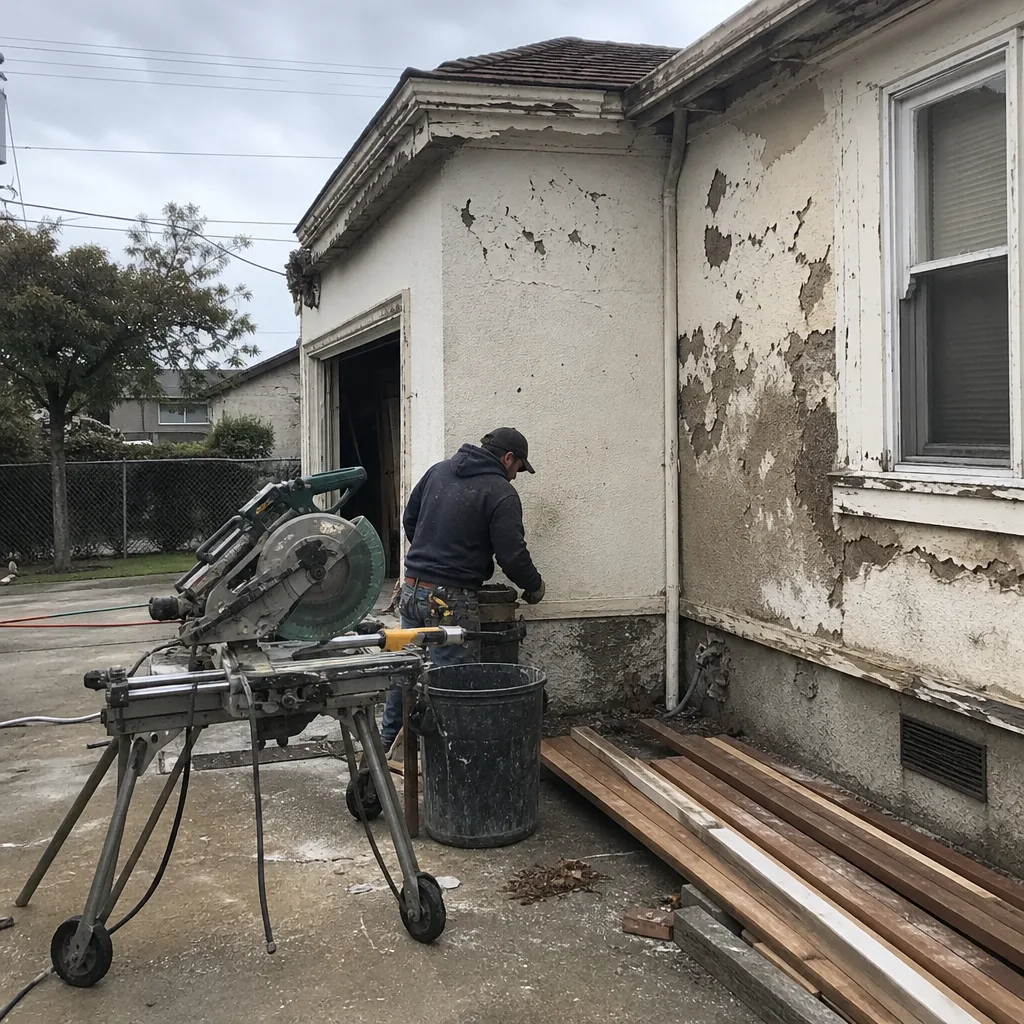 Before
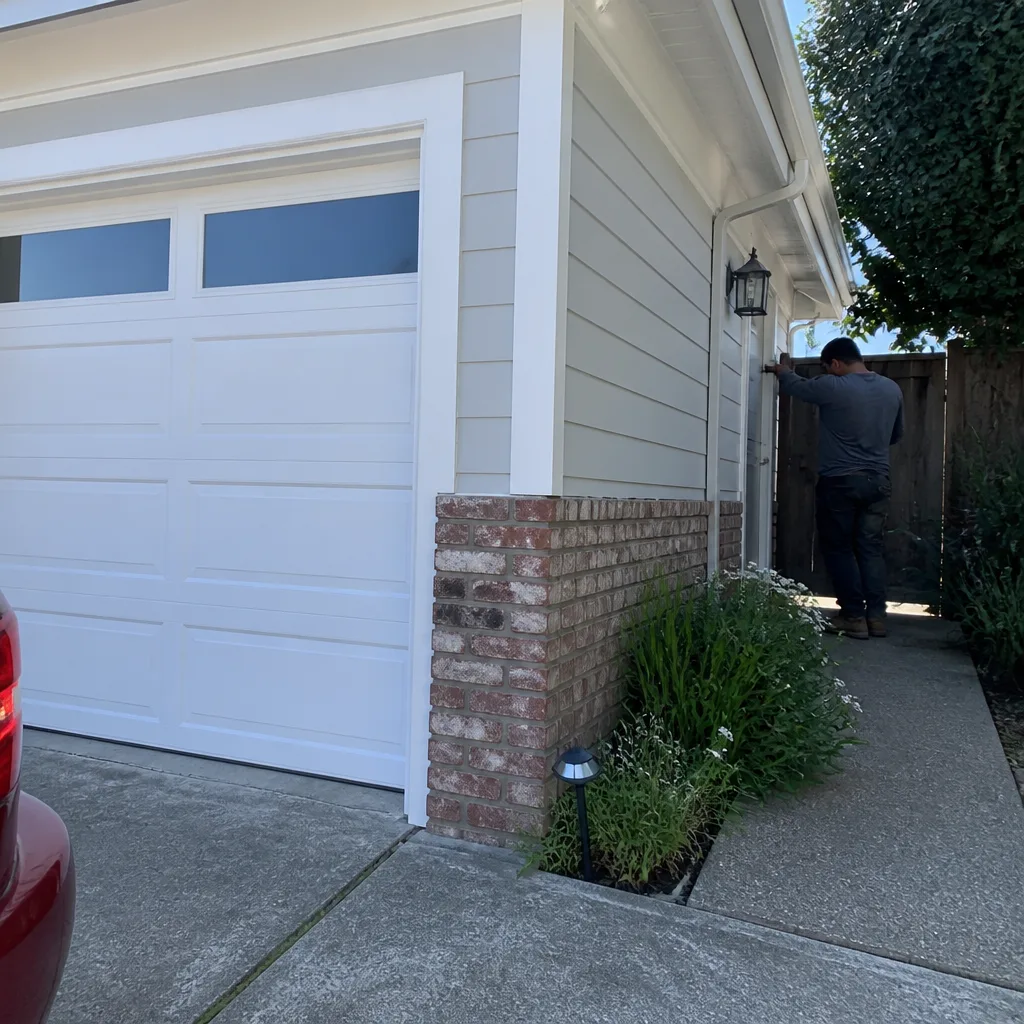 After
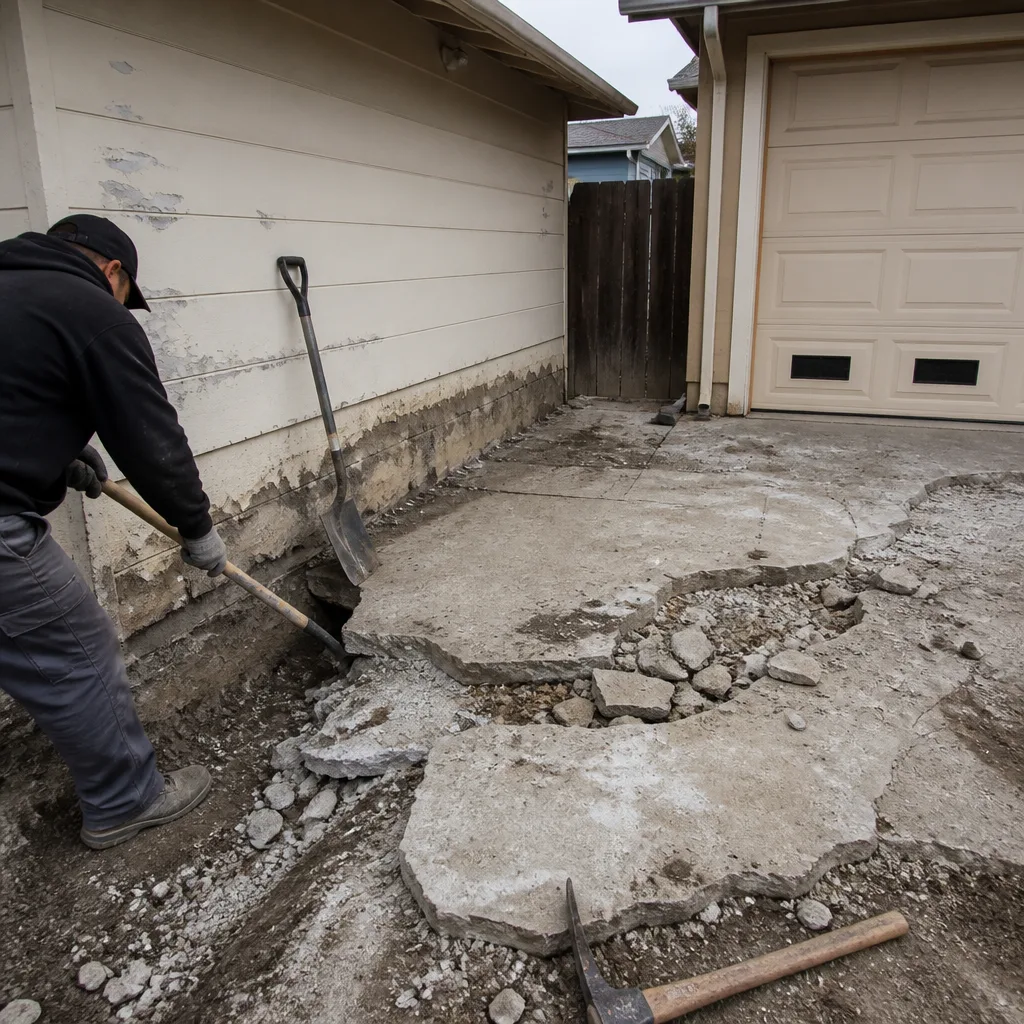 Before
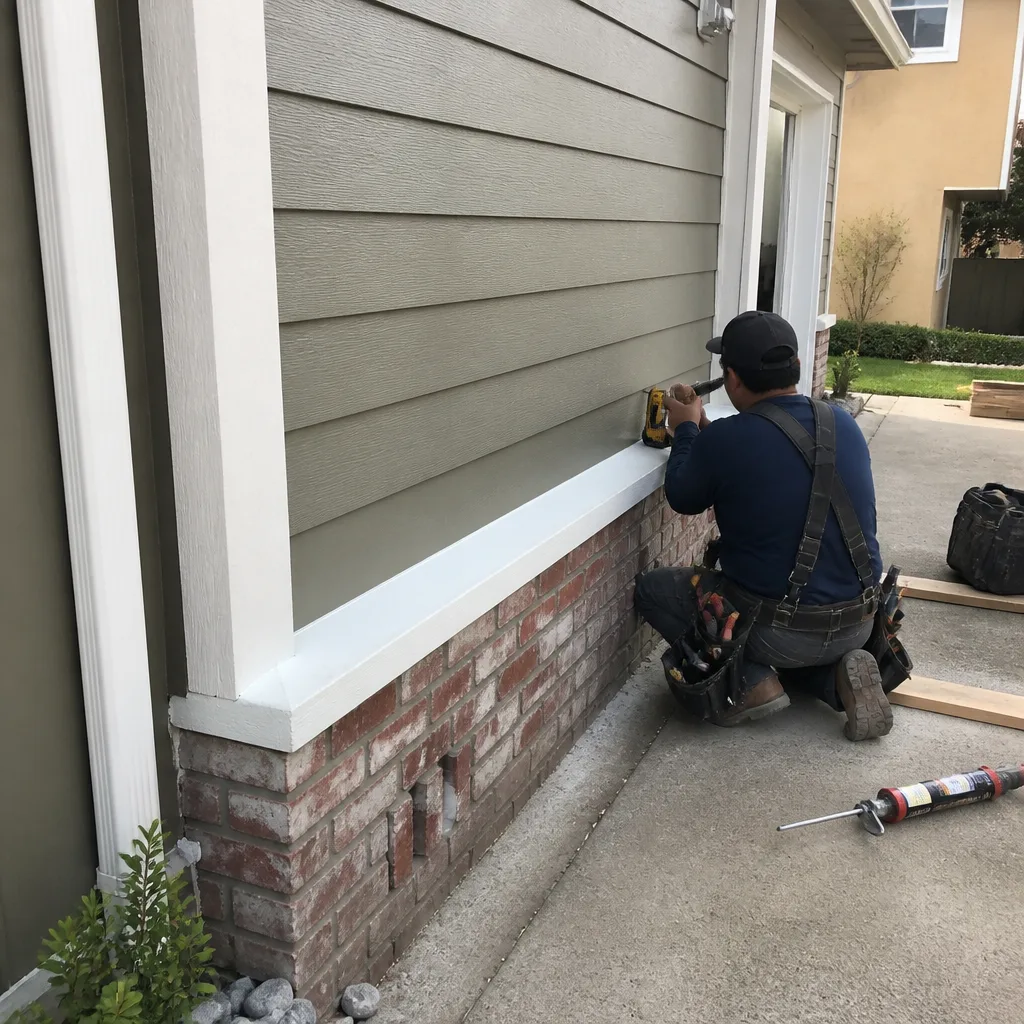 After
 Before
 After