
Last updated October 30, 2026
 Kitchen remodeling
 Bathroom remodeling
 Home additions & ADU
 Roofing
 Windows & doors
 Driveway & pavers
 Fence
Free written scope consultation - allowances, timeline, and change-order rules on paper before a single trade is scheduled
How to Hire a Construction Contractor in San Bruno: A Step-by-Step Guide
The California State License Board makes checking a contractor’s license absurdly simple. You type a name into a search box and you get an answer in about 30 seconds. Yet nearly every construction dispute we see in San Bruno starts with a homeowner who did exactly that, got a clean license report, and still ended up with a project that went sideways. The credential was never the problem. The conversation they didn’t have before signing was. This guide—and our complete general contractor guide for San Bruno homeowners—walks through the questions, documents, and verification steps that actually predict whether a San Bruno renovation will finish on budget and on terms you agreed to, or become a six-month argument with a lien attached.
Styles & brands we work with
Quick Answer
To hire a construction contractor in San Bruno, you need to verify their CSLB license classification matches the work, require a line-item scope of work that specifies materials and brands, compare bids using identical line items rather than bottom-line prices, and establish in writing who coordinates subcontractors and who owns permit responsibility. The contractor who can articulate these answers clearly in a first conversation is worth more than the one who just sends the lowest number.
Table of Contents
- Verify the License, Then Verify the Classification
- The Scope of Work Document Most Contractors Never Draft
- How to Compare Bids That Aren’t Apples to Apples
- Communication Red Flags That Predict Project Problems
- Why a General Contractor’s Accountability Structure Beats Hiring Subs Directly
- What San Bruno Specifically Adds to the Hiring Equation
- The 10 Questions to Ask Before Signing Anything
- Common Mistakes to Avoid
- When to Call a Professional
- Frequently Asked Questions
- The Bottom Line
Verify the License, Then Verify the Classification
A quick note on how we know this: we’ve sat across the table from San Bruno homeowners who handed us a bid from a painter to do structural work, or from a B-2 specialist to run a full remodel. The license was valid. The scope was not. California issues contractor licenses by classification, and each classification limits what that contractor can legally do. The CSLB website tells you the classification, but it doesn’t tell you what that classification means for your project. That part most homeowners skip. Here’s how the process actually works:
- Go to cslb.ca.gov and search the contractor name or license number. The record should show ‘Active’ status, no suspensions, and current bonding. If the status says anything other than active, stop.
- Check the classification next to the license number. A ‘B’ license is a General Building Contractor, which covers most residential remodeling. A ‘C’ license is a specialty classification for one trade (C-36 plumbing, C-10 electrical, C-54 tile, C-33 painting).
- Match the classification to your project scope. A full kitchen remodel with structural changes requires a B license or a general contractor who will coordinate the specialty C-license holders. A single trade, like re-piping, only needs the relevant C classification.
- Look at the workers’ compensation insurance record. If a contractor has employees and no workers’ comp, you could be liable for injuries on your property. The CSLB record shows this.
- Check the bond amount. California requires a $25,000 contractor license bond. It’s a minimum, not a signal of quality, but you want to confirm it’s in place.
In San Bruno specifically, we see a lot of homes built between 1950 and 1980. These houses have structural habits that newer builds don’t: shear walls that need updating for current code, foundations that have settled near the hills, and original electrical panels that can’t support modern kitchen loads. When you’re checking a license for a substantial remodel on one of these homes, look for a B classification and evidence the contractor has pulled permits in San Bruno before. A valid license plus no local permit history is a yellow flag.
For context, our team works across the full San Bruno Construction home scope, and we coordinate licensed specialty trades rather than claiming to perform all of them independently. That structure matters, and it’s worth asking any contractor to explain their exact license structure and who holds each trade license on your job.
The Scope of Work Document Most Contractors Never Draft
The single most useful document in a San Bruno renovation is not the contract. It’s the scope of work that gets attached to it. In our experience, maybe one in four homeowners comes to us with a scope of work from a previous bid that’s detailed enough to be enforceable. The rest get a one-page sheet that says ‘remodel kitchen’ with a price at the bottom. That document protects no one.
A scope of work is a room-by-room, line-by-line description of exactly what gets done, what materials get used, and what’s excluded. When it’s done right, it’s 15 to 20 pages. When it’s done wrong, disputes are basically guaranteed. Here are the four clauses San Bruno homeowners most often overlook:
- Material allowances with brand names. A line that says ‘countertops: $3,500 allowance’ is meaningless unless it specifies the material (quartz, granite, solid surface) and the range of brands the allowance covers. Cambria and Silestone countertops cost differently than builder-grade laminate. Without brand parameters, you’ll get the cheapest option that technically satisfies the contract. Look for allowances that name specific brands or tiers: KraftMaid or Wellborn for cabinets, Cambria or Caesarstone for counters, Toto or Kohler for fixtures.
- Demolition and disposal scope. San Bruno has specific waste disposal requirements, and hauling fees for a full gut remodel can run several thousand dollars. If the scope doesn’t say who handles debris removal, where it goes, and whether dumpster rental is included, you will get a change order for it later.
- Finish and trim details. The difference between a $40,000 bathroom and an $80,000 bathroom is often in the details: door hardware, trim profiles, niche shelving, lighting placement. A complete scope itemizes these. An incomplete scope says ’tile shower’ and leaves everything else to interpretation.
- The ‘not included’ list. Every scope should state what the project does NOT include. Painting, window coverings, appliance installation, final cleaning. Smart contractors list exclusions explicitly. This feels counterintuitive, but it’s the single best dispute prevention tool in the document.
When a scope of work names specific brands like Wellborn cabinetry or James Hardie siding, it does two things. First, it locks in a quality floor so you know what you’re paying for. Second, it tells you whether the contractor has actual relationships with suppliers. A contractor who can specify brand and model options—something we cover in choosing the right construction brand for San Bruno—is one who orders from real distributors, not whatever’s on sale at a big-box store. That’s the difference between a materials guarantee you can enforce and one that disappears the first time something fails.
How to Compare Bids That Aren’t Apples to Apples
Three bids for the same San Bruno kitchen remodel will come back with three different numbers, and the spread isn’t small. You might see $45,000, $62,000, and $78,000 for what looks on paper like the same project. The homeowner’s instinct is to take the middle number and assume it’s fair. That instinct is wrong, and here’s why: the three bids are often not pricing the same work at all.
The right comparison method is to strip every bid to the same line-item skeleton and compare categories, not totals. Here’s what that skeleton should include:
- Demolition and hauling: Is it itemized or buried? If buried, the contractor is either absorbing cost or planning a change order.
- Rough plumbing and electrical: Is it a fixed number or time-and-materials? Fixed is better for you.
- Cabinetry: Are cabinets specified by brand (KraftMaid, Wellborn, or equivalent) or just ‘new cabinets’? Cabinet quality accounts for the single largest price swing in most kitchens.
- Countertops: Is fabrication, templating, and installation included, or just the slab price?
- Flooring: What’s the square footage assumption? If one bid assumes 200 square feet and another assumes 260, the numbers don’t compare.
- Permits and inspections: Is permit pulling included, and who pays the city fees? A bid that omits permits is incomplete by definition.
- Contingency: Is there a stated percentage for unknowns, or is the bid pretending the walls are empty? San Bruno homes of a certain age hide surprises, and a bid with no contingency is a bid that predicts change orders.
A bid with vague line items like ‘labor: $12,000’ is a red flag. A bid with ‘rough electrical: 14 openings, 3 new circuits, 2 GFCI locations’ is a bid from a contractor who’s actually priced the work. That level of detail is what allows you to compare apples to apples. And when one bid comes in 30% below the others and the line items are mysteriously absent, you’re not looking at a discount. You’re looking at a contractor who hasn’t priced the full project.
We can’t give you a specific price range for a San Bruno remodel without seeing the space, because the spread between a cosmetic update and a full gut is enormous. But the comparison method above works regardless of budget. It’s the same process we use internally when we’re evaluating material and labor costs for a project. And it’s the same process that tells a homeowner whether a bid is cheap or just incomplete.
Communication Red Flags That Predict Project Problems
Before you sign anything, pay attention to how a contractor communicates during the bidding phase. This is not a soft-skill nice-to-have. Communication patterns before a contract is signed are the single strongest predictor of how disputes will be handled after work starts. In San Bruno, where projects on hillside lots and older homes routinely hit surprises, this matters even more. Here’s what we tell homeowners to watch for:
- Slow response to bid questions. If it takes a week to get an answer to a simple scope question before you’ve signed, it will take longer once the contractor has your money. The bidding phase is when a contractor is most responsive. If they’re not responsive now, there’s no structural reason they’ll improve later.
- Verbal commitments that don’t appear in writing. ‘We’ll take care of that’ means nothing if it’s not in the scope. If a contractor is comfortable promising things verbally but resists putting them in the contract, walk. A contractor who stands behind their commitments writes them down.
- Inability to explain the schedule. Ask how the project will be sequenced. A contractor who can’t tell you roughly what happens in week one versus week six is not managing projects, they’re reacting to them. And in San Bruno, where parking and access constraints on narrow streets affect material deliveries and dumpster placement, sequencing matters more than it does in spread-out suburban communities.
- Changing the subject when you ask about subcontractors. Ask who will be in your home and what licenses they hold. If the contractor gets vague (‘my guys,’ ‘the usual crew’), that’s a red flag. You should know who’s doing electrical, plumbing, and tile work, and those people should hold their own active licenses.
- Discounts for signing immediately. ‘This price is good for 48 hours’ is a pressure tactic. In a healthy contractor-client relationship, a week of review time does not change the price, and a contractor who needs you to sign fast is often trying to prevent you from reading carefully.
The meta-pattern here: the contractor who communicates the most clearly during the bidding phase is the one who will communicate clearly when something goes wrong. Which it will. In every renovation, something goes wrong. The question is whether you find out about it in real time from someone who wants to solve the problem, or later from someone who wants to argue about whose fault it is. The pre-signing communication pattern tells you which one you’re getting.
Why a General Contractor’s Accountability Structure Beats Hiring Subs Directly
Every so often, a San Bruno homeowner decides they can save 20% by hiring subcontractors directly. They’ll be their own general contractor. They’ll coordinate the plumber, the electrician, the tile setter, the cabinet installer. It sounds straightforward on paper. It is not, and the reasons aren’t about skill. They’re about accountability structure.
When you hire a general contractor, you have one contract, one phone number, and one entity responsible for the entire project. The GC holds the subs’ licenses on file, sequences the work so the electrician follows the framing and the tile follows the waterproofing, and most importantly, carries the risk when a sub fails to show or performs poorly. The GC either fixes it or eats it. You don’t have to have that conversation. The GC does.
When you hire subs directly, you become the general contractor. That means you own scheduling conflicts (the plumber is available Tuesday, the electrician says Thursday, the tile guy says he can do Wednesday but only if the drywall is done, and now everyone’s schedule has shifted). You own the licensing verification for each sub. You own the liability if a worker gets injured on your property. And when the tile work fails six months later, the tile sub blames the waterproofing sub, who blames the framing, and you’re in the middle with no single point of accountability.
In San Bruno specifically, we also see a scheduling wrinkle that DIY-GC homeowners don’t anticipate: many skilled trades are booked out across the whole Peninsula. A good electrician might not be available for six weeks. When you’re coordinating multiple trades, each with their own availability window, a two-month project becomes a five-month project, and every month of delay means more dust, more disruption, and more carrying costs if you’re renting elsewhere. A general contractor with established trade relationships and a portfolio of brands across every major renovation category—plus knowledge of seasonal construction care for San Bruno—has the scheduling leverage and the material purchasing power that an individual homeowner can’t match.
The math some homeowners do is: GC charges overhead, subs don’t, so subs are cheaper. The math they don’t do: a delayed project, a scheduling conflict, a sub who disappears mid-job, and a dispute with no clear responsible party. Those costs are concrete, they’re common, and they almost always exceed the ‘savings’ from self-managing. Our position is not that homeowners can’t coordinate their own projects. It’s that most shouldn’t, and the ones who do are trading their evenings and weekends for a job that experts handle better and faster.
For context, our structure at San Bruno Construction coordinates the trades across interior, exterior, and new structure work under one general contractor agreement. We work with brands like James Hardie for siding and Tuff Shed for prefab structures, and we handle the sequencing so homeowners don’t have to become part-time project managers. The accountability question – who do you call when something goes wrong – has one answer: your GC.
What San Bruno Specifically Adds to the Hiring Equation
San Bruno is not a generic Bay Area suburb, and the specifics matter when you’re vetting contractors. The city sits on a hillside below the San Bruno Mountains, with microclimates that vary notably from the flatter areas near El Camino Real to the higher elevations near Portola Highlands and Rollingwood. Those hills create engineering, drainage, and structural considerations that a contractor unfamiliar with San Bruno will miss at the bidding stage and discover at the change-order stage.
Older San Bruno homes, particularly those built in the 1940s through the 1970s, often sit on foundations that have interacted with clay soil and moisture for decades. Some areas near San Bruno Creek have soil expansion patterns that affect foundation stability. A contractor who has never worked in San Bruno might price a room addition without accounting for the soil report, which is a required part of the permit process for significant additions here. The soil report then changes the foundation design, which changes the price. That’s not a scam. That’s the cost of not knowing the local conditions.
San Bruno also has specific permit requirements and inspection schedules that differ from neighboring cities like South San Francisco or Millbrae. The city’s building division reviews plans for structural, electrical, plumbing, and mechanical compliance, and certain hillside projects require planning department review before building permits are issued. A contractor who has pulled permits in San Bruno knows the sequence and timing. A contractor who hasn’t is learning on your timeline.
We also see a practical constraint that affects San Bruno projects more than most: parking and access. Many streets in San Bruno are narrow, with limited parking, and a dumpster permit requires specific placement approval. The same project in a flat, wide-street neighborhood elsewhere on the Peninsula is logistically simpler. When you ask a contractor about their San Bruno project experience, you’re not making small talk. You’re checking whether they’ve already solved the problems your specific street will create.
If you’re reading this from a nearby area and wondering whether similar dynamics apply, our General Contractor in Santa Cruz guide covers comparable hillside and coastal considerations for that market. The local pattern is the same: the cheaper bid often misses what the local conditions cost.
The 10 Questions to Ask Before Signing Anything
Here’s the full list we recommend San Bruno homeowners work through with any contractor before committing. These aren’t gotcha questions. They’re the questions a serious contractor should answer without hesitation.
- What license classification do you hold, and which trades on this project will be performed by C-license holders? The answer should be specific and immediate. If it’s not, that’s your first red flag.
- Will you pull permits for this work in San Bruno, and who pays the permit fees? A contractor who suggests skipping permits is telling you they’re willing to violate city code. Walk.
- Can you show me two San Bruno projects you’ve completed recently, ideally within the last two years? References from other cities are useful but not the same. You want to see work done under San Bruno’s permit process.
- Who is my single point of contact during the project, and how do I reach them? If the answer is ‘me’ from the owner who’s also bidding three other jobs, ask how they’ll handle simultaneous projects. There’s a right answer here, but you need to hear it.
- What does your scope of work include for material allowances, and which brands are in your allowed ranges? A contractor who can name brands like Wellborn, KraftMaid, or James Hardie without looking at their notes is one who orders from actual suppliers.
- How do you handle change orders, and what’s your approval process before additional work begins? Change orders should be written, priced, and signed before work starts. Verbal approvals are not enforceable, and a contractor who relies on them is creating risk for you.
- What’s your payment schedule, and does it align with completed milestones? California law limits down payments to $1,000 or 10% of the project cost, whichever is less. Beyond that, payments should follow work completed, not time elapsed.
- What happens if you discover unknown conditions behind the walls? San Bruno homes hide surprises. The answer should include a defined contingency and a protocol for documenting the discovery and getting your approval before proceeding.
- Do you carry general liability insurance and workers’ compensation insurance, and can you provide certificates? This should be yes, with no hesitation, and the certificates should name your address and project.
- Who is responsible for daily site cleanup, and where does construction debris go? This seems minor at the bidding stage and becomes a daily source of friction during construction. Get it in writing.
For a broader look at what a Home Remodeling in Santa Cruz project involves from a planning standpoint, we’ve covered similar decision frameworks in that guide. The questions above hold up across markets because they’re about contractor accountability structures, not local code specifics.
Common Mistakes to Avoid
- Taking the lowest bid without line-item comparison. A low bid that lacks detail is not a discount. It’s an estimate that will grow. Compare line items first, then talk about price.
- Skipping permit verification. Some contractors will tell you permits aren’t necessary or will add months. In San Bruno, unpermitted structural or electrical work can block future sales and trigger code enforcement. Pull permits.
- Assuming insurance covers contractor problems. Your homeowner’s policy generally does not cover faulty workmanship. The contractor’s license bond and insurance are your protection, which is why you verify both before signing.
- Overlooking the exclusions list in the scope of work. What’s not included matters as much as what is. If painting, debris removal, or appliance installation aren’t listed, they’re not included, and you’ll pay for them later.
- Hiring a specialty contractor to run a general scope. A great tile contractor is not a general contractor. If your project spans multiple trades, you need a B-license holder coordinating the work, not a C-license specialist trying to wing it.
- Paying too much upfront. California caps down payments at $1,000 or 10%, whichever is less. Any contractor asking for more is violating state law.
- Trusting a verbal promise over a written scope. If it’s not in the document, it doesn’t exist. The most common post-project dispute we hear about is a homeowner who says ‘they told me the tile would be X’ and a contractor who says ‘that’s not what the scope says.’ Write it down.
When to Call a Professional
Some San Bruno projects are genuinely DIY-friendly: painting a bedroom, swapping a light fixture, replacing a faucet. The moment you cross into structural, electrical, plumbing, or multi-trade work, you need a licensed contractor. Specific triggers include: any work that requires a permit from the city of San Bruno, any project spanning more than two trades, any work involving load-bearing walls or foundation changes, any full kitchen or bathroom replacement, and any exterior envelope work like siding or roofing. For these scopes, a licensed general contractor with a defined scope of work and a track record in San Bruno is not a luxury. It’s the baseline for a project that ends well. Home Renovation in Santa Cruz clients ask us the same question, and the answer carries: if the project needs a permit, you need a professional. San Bruno Construction offers free estimates in San Bruno – call (866) 472-1908 to schedule yours.
Frequently Asked Questions
Search the contractor’s name or license number on the Contractors State License Board website at cslb.ca.gov. The record shows license status, classification, bond information, and workers’ compensation insurance status. For residential remodeling work in San Bruno, you should confirm the license is active, the classification matches the scope (typically a B classification for general building work), and the contractor has current bonding and insurance. Call (866) 472-1908 if you want help reviewing a bid’s license documentation.
General contractor costs in San Bruno vary widely depending on scope, but most full-home remodels range from $150 to $350 per square foot depending on material choices and existing conditions. The larger point is that general contractor pricing includes coordination, scheduling, and accountability for all trades, which is why it’s structured differently than a single specialty trade quote. Our estimates are free, and we walk through the line items with you—find more guides & resources or call (866) 472-1908 to schedule one.
Project duration depends on scope: a bathroom replacement typically runs 3 to 5 weeks, a kitchen remodel 6 to 12 weeks, and a full home renovation or room addition 3 to 6 months or more. San Bruno’s permit process adds time to the front end, and hillside or older home conditions can extend the construction phase. A detailed project schedule with milestones should be part of your scope of work. For a realistic timeline on your specific project, call (866) 472-1908.
Yes, most substantial renovations in San Bruno require building permits, including structural changes, electrical and plumbing work, room additions, roof replacements, and many exterior improvements. The city’s building division reviews plans for code compliance and schedules inspections as work progresses. A contractor who suggests skipping permits is recommending work that violates city code and can complicate future home sales. Our team handles permitting as part of the project – call (866) 472-1908 for details.
A proper scope of work includes room-by-room descriptions of demolition, rough and finish work, material allowances with brand names or tiers, specific product selections, exclusions and inclusions, permit and inspection responsibilities, and a payment schedule tied to milestones. If your scope of work is under five pages for a multi-room project, it’s probably too thin to protect you. We can review a scope you’ve received and identify gaps – call (866) 472-1908.
A general contractor holds a B license and is legally qualified to coordinate multiple trades and manage a full project, including structural work and additions. A specialty contractor holds a C license for one trade, such as plumbing, electrical, tile, or painting. For any San Bruno project spanning more than two trades, you need a general contractor running the job, with specialty C-license holders performing their respective scopes. The accountability structure is what protects you when something goes wrong. For questions about your specific project’s licensing needs, call (866) 472-1908 – estimates are free.
The Bottom Line
Hiring a construction contractor in San Bruno is not fundamentally about finding the lowest bid or the best online reviews. It’s about structuring the right relationship before work starts. Verify the license and classification, require a line-item scope of work that names brands and exclusions, compare bids by category rather than total, watch communication patterns during the bidding phase, and understand what a general contractor’s accountability structure actually protects. The homeowners who skip these steps end up in disputes. The ones who do them end up with a project they can describe accurately in one sentence: it went the way it was supposed to. San Bruno Construction home is where you start when you want that sentence to be true.
Written by the team at San Bruno Construction, serving San Bruno since 2016.
See the difference
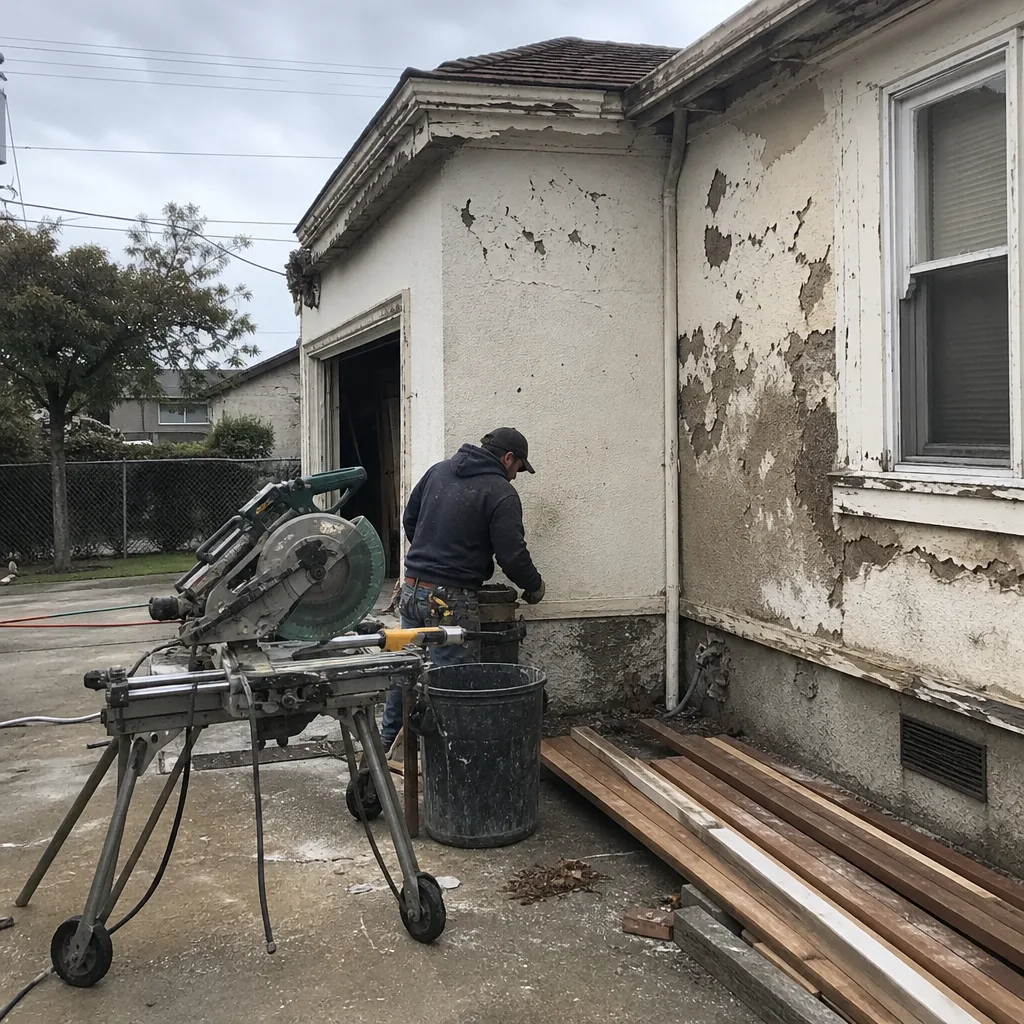 Before
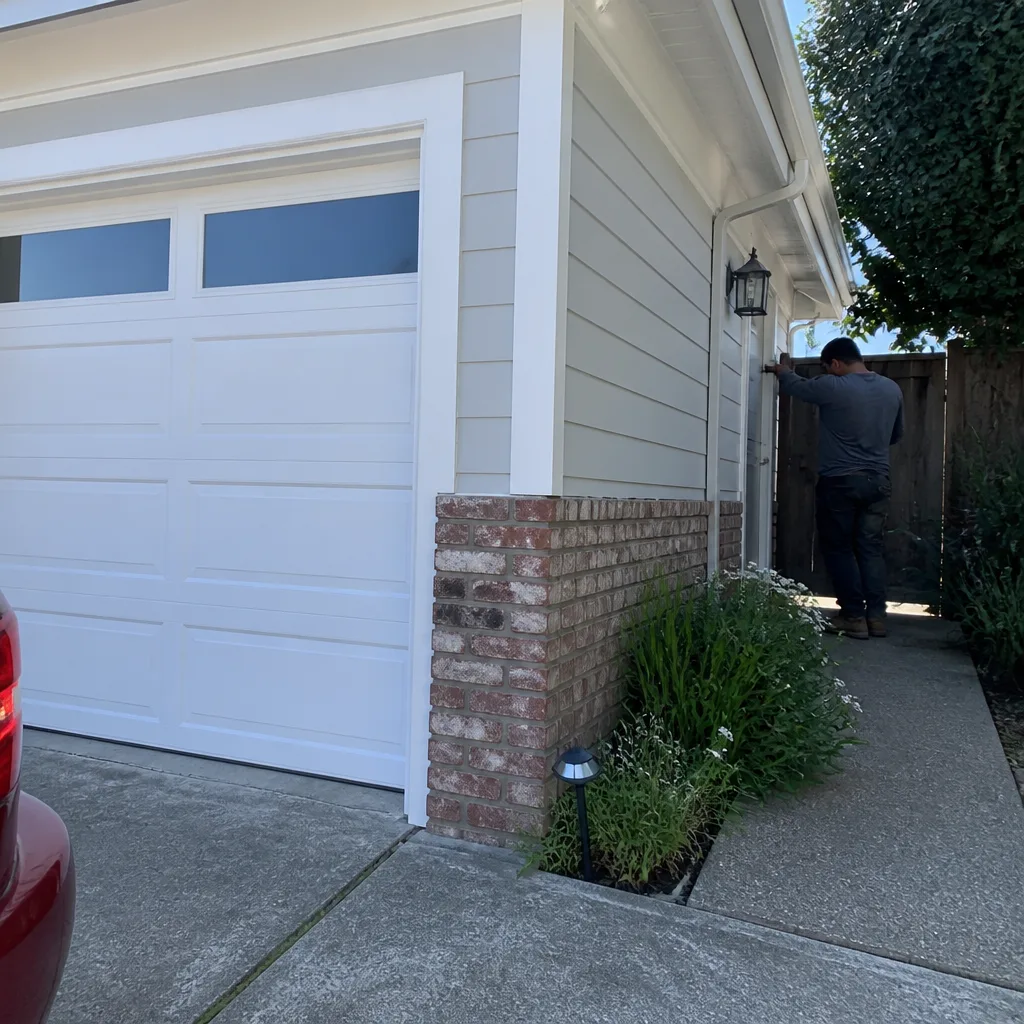 After
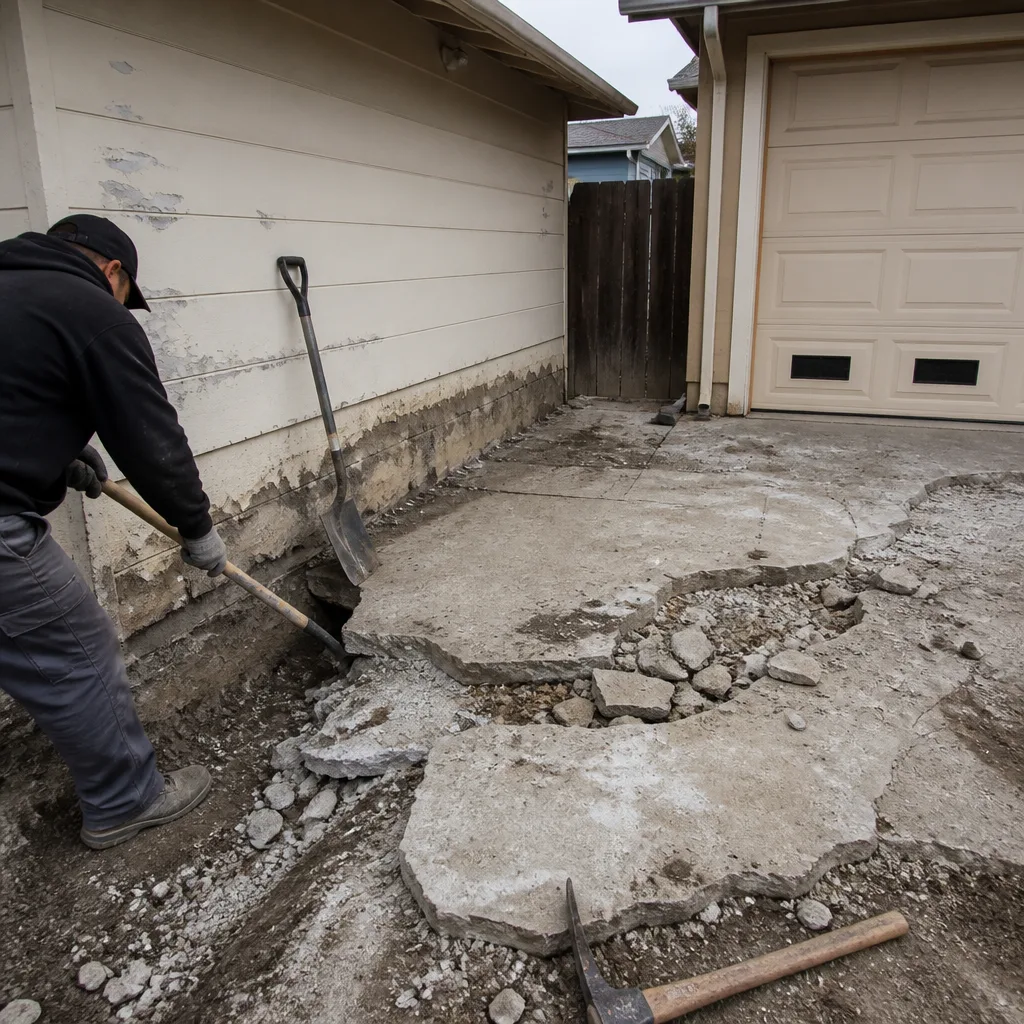 Before
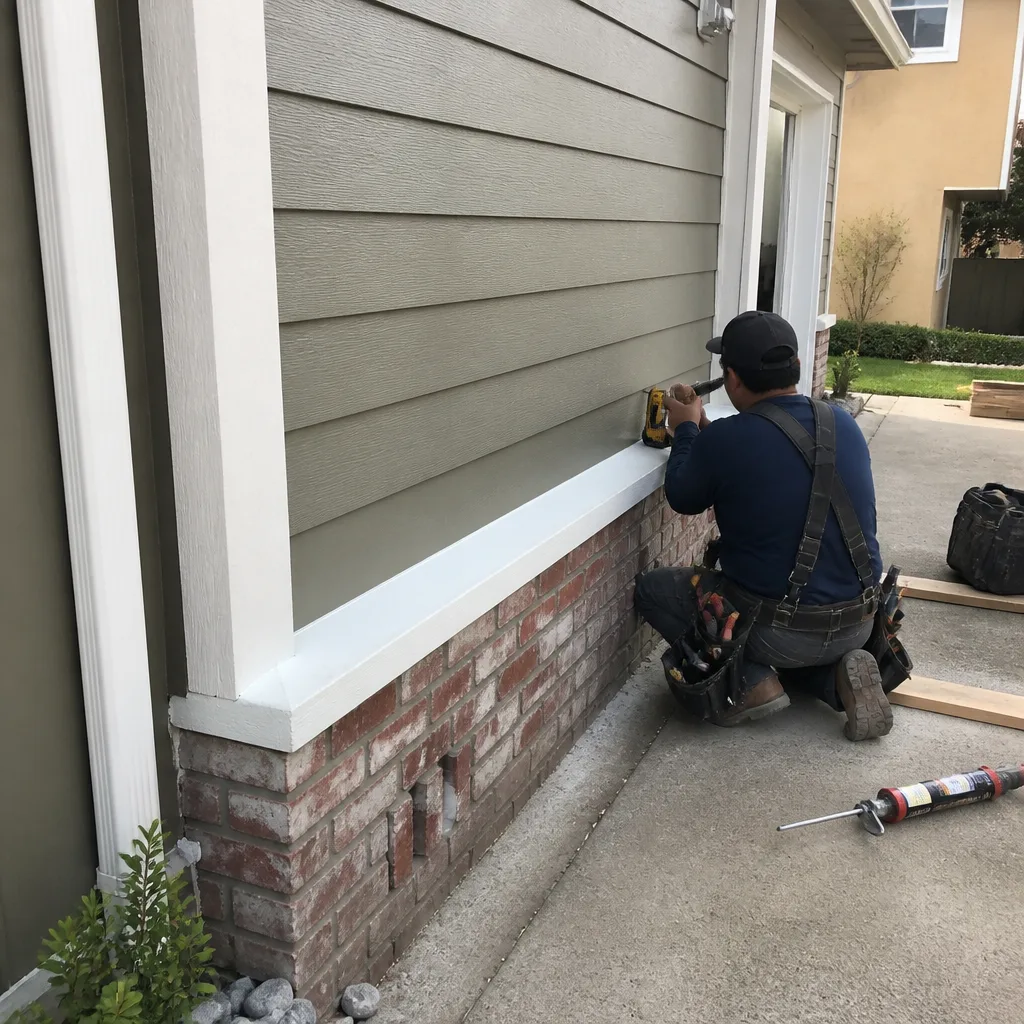 After
 Before
 After