
Last updated October 30, 2026
 Home additions & ADU
 Kitchen remodeling
 Bathroom remodeling
 Roofing
 Windows & doors
 Driveway & pavers
 Fence
Free written scope consultation - allowances, timeline, and change-order rules on paper before a single trade is scheduled
Seasonal Construction Care for San Bruno: Year-Round Homeowner’s Guide
San Bruno doesn’t freeze, which tricks a lot of homeowners into thinking seasonal maintenance is a concept for places like Minneapolis or Buffalo. But walk through any San Bruno neighborhood in January after a heavy storm, and you’ll find water-stained ceilings, buckled hardwood, and crawlspaces that smell like a tide pool. The water damage claims tell a different story than the weather report does. Most of them trace back to fall prep that didn’t happen. This guide covers the maintenance calendar that actually fits San Bruno’s fog cycles, compressed rainy season, and bone-dry summers, so you can protect your home without wasting weekends on tasks that don’t matter here. For more on local building considerations, see our Complete Guide to Construction in San Bruno.
Styles & brands we work with
Quick Answer
San Bruno homes need a maintenance calendar built around three real seasons: a wet season from November through March, a fog-heavy summer that keeps west-side homes damp, and a short dry window from August through October when exterior work should be scheduled. The single most important annual task is October drainage and gutter prep, because most San Bruno water damage starts with clogged downspouts and surface water that has nowhere to go on hillside lots.
Table of Contents
- Why San Bruno’s Climate Breaks Every National Maintenance Calendar
- Wet Season Prep: The October-November Window That Matters
- Drainage on Hillside and Flat Lots: What Actually Works in San Bruno
- The Fog Belt Effect: Managing Summer Moisture on Exteriors and Crawlspaces
- When to Schedule Exterior Work: Paint, Concrete, and Roofing Timing
- Month-by-Month Action Calendar for San Bruno
- Common Mistakes to Avoid
- When to Call a Professional
- Frequently Asked Questions
- The Bottom Line
Why San Bruno’s Climate Breaks Every National Maintenance Calendar
National home maintenance guides assume four seasons: cold winters, wet springs, hot summers, crisp autumns. San Bruno has none of those. What we have is a Mediterranean microclimate shaped by the Coast Range to the west and the bay to the east. That geography produces a pattern most people don’t recognize until their siding starts to fail or their crawlspace joists show rot.
The most consequential fact for San Bruno homeowners: the rainy season is compressed. Almost all of the annual rainfall lands between November and March, and when it comes, it comes in bursts. A single atmospheric river event can drop more water on San Bruno in 48 hours than the previous six months combined. That means your home’s drainage system sits dry and untested for seven months, then gets hit all at once. Any weakness you ignored over the summer becomes a problem the first week of November.
Then there’s the fog. San Bruno sits in a fog belt, and the west side of town, particularly neighborhoods near Skyline Boulevard and Crestmoor, can see marine layer coverage for weeks at a time in June, July, and August. The east side near Downtown San Bruno and San Bruno Avenue gets less fog but still sees cool overnight humidity. That fog keeps exterior wood damp for extended periods, which means paint fails differently here than it does in, say, Redwood City or San Jose. We’ve seen wood siding on San Bruno homes stay wet enough to support moss growth in July. Homeowners who follow a national checklist don’t catch that until the paint is peeling in sheets.
Understanding these patterns is the foundation of everything else in this guide. San Bruno is also a city of hills, and the slope of your lot determines how water moves around and under your house. The maintenance plan that works for a flat-lot bungalow in the center of town won’t work for a hillside home above Junipero Serra County Park. We’ll cover both.
Wet Season Prep: The October-November Window That Matters
The single worst mistake San Bruno homeowners make is waiting until the first storm to think about drainage. By then it’s too late. The window that matters starts in early October and runs through mid-November. If you do one thing from this entire guide, do this section.
Here’s what needs to happen in that window, in order of priority:
- Clean and inspect every gutter and downspout. San Bruno has mature trees that drop leaves all through October. A clogged gutter in a light rain just overflows. In an atmospheric river, it pours water directly onto your foundation or down the face of your siding. Check downspout outlets too – they should discharge at least 3 feet from the foundation, more on hillside lots.
- Inspect your roof surface. Look for lifted shingles, cracked tiles, or damaged flashing around vents and chimneys. San Bruno’s fog keeps roofs damp even in summer, so shingle granule loss can happen faster than you’d expect. A lifted corner catches wind in a storm and turns into a leak.
- Walk the perimeter and check grade. Soil should slope away from the foundation at a minimum 5% grade for the first 3 feet. Over time, rain and settling reverse that slope on many San Bruno homes. If water pools near the foundation during a test with a hose, you need to fix the grade before the rains come.
- Test your sump pump or crawlspace drain if you have one. Pour water into the pit and verify the pump cycles. A pump that worked in March might be seized by October. Hillside homes in San Bruno often have French drains and surface drains that should be flushed with a hose to clear silt.
- Seal any exterior gaps. Check where pipes, cables, and vents enter the house. Rodents look for warm dry spots when the rains start, and a quarter-inch gap is an open door. Use an exterior-grade sealant appropriate to the material.
We see the same pattern every year at San Bruno Construction home service calls: homeowners who skip the October gutter cleaning and downspout check end up with fascia rot, foundation seepage, or crawlspace flooding by January. The prep takes a weekend. The repair takes three weeks and a five-figure change order.
Drainage on Hillside and Flat Lots: What Actually Works in San Bruno
San Bruno’s topography is the most underrated factor in home maintenance. The city rises from near sea level by the bay up through rolling hills toward Skyline Boulevard. That means drainage solutions have to be matched to your specific lot, and a generic approach fails surprisingly often.
Hillside Lots: Surface Water Is the Enemy
On hillside properties, especially in the Crestmoor, Rollingwood, and Skyline areas, water moves fast. It comes from above your house as surface runoff, and it gets under your house before you even notice a puddle. The key principle for hillside drainage is interception: catch the water before it reaches the foundation line.
A swale or berm above the upslope side of the house redirects surface runoff around the building. Surface drains and catch basins placed at the top of the lot do the same job with less finishing work. Downslope retaining walls should have weep holes or a gravel drainage layer behind them, because hydrostatic pressure builds quickly in saturated soil. We’ve seen San Bruno retaining walls fail in February because the drainage layer was skipped during construction, not because the wall itself was built poorly.
Flat Lots: Subsurface Problems Hide Longer
Flat lots, common around Downtown San Bruno and the neighborhoods east of El Camino Real, have the opposite problem: water doesn’t run anywhere, so it pools and seeps slowly into the soil. By the time you see a wet patch near the foundation, the subgrade may have been saturated for weeks.
For flat lots, the priority is positive drainage away from the foundation and, where needed, a French drain system along the perimeter. Gutter downspouts must discharge into solid pipe that carries water well away from the house, not just into a splash block that lets it pool at the foundation edge. A properly built French drain should have a slotted pipe, washed gravel, and a filter fabric wrap. We’ve seen plenty of cheap French drains in San Bruno that were just a trench full of gravel – those clog within a few seasons and stop working exactly when you need them.
The Tie-In to Remodeling Decisions
Drainage should be a factor in major renovation planning, not an afterthought. When we scope a home remodeling project, we’re looking at the grading and drainage context of the entire lot, because adding square footage changes the impervious surface area on your property. A patio addition or ADU can shift water flow in ways that affect the existing structure. The same principle applies in San Bruno: a well-planned remodel accounts for drainage before the first footing is poured, and a poorly planned one creates a new water problem.
The Fog Belt Effect: Managing Summer Moisture on Exteriors and Crawlspaces
Most national guides tell you to worry about summer drought. San Bruno homeowners should worry about summer dampness instead. The marine layer that rolls over the Coast Range settles into the west side of town and lingers. It saturates exterior wood, keeps paint films from curing properly, and raises crawlspace humidity to levels that quietly rot floor joists.
What Fog Does to Exterior Wood and Paint
Wood siding exposed to persistent fog stays wet for long stretches. When the sun eventually burns through, the surface dries quickly and the wood moves – it swells and shrinks with each fog-sun cycle. That movement cracks paint films. Once paint cracks, water gets in and the cycle accelerates. This is why you’ll see homes in the fog belt with paint failure that looks like it belongs on a beach house, while homes five blocks away on the east side of town look fine.
The practical takeaway: inspect west-facing and north-facing siding on your San Bruno home every summer, not every few years. Look for hairline cracks, blistered paint, or soft spots where the wood gives under pressure. Catch it early and a targeted repaint or spot repair keeps the problem small. Ignore it and you’re into siding replacement, which is a very different budget conversation.
Crawlspace Humidity: The Invisible Rot
San Bruno has a lot of homes built on crawlspaces rather than slabs. A crawlspace should be dry. In the fog belt, a vented crawlspace pulls in damp marine air all summer long, and that air condenses on cool surfaces like floor joists and ductwork. Over years, that sustained dampness leads to wood rot, mold, and musty odors that find their way into the living space.
The fix depends on how your crawlspace is set up. For most San Bruno homeowners, the low-maintenance approach is to close foundation vents during the fog season and run a properly sized dehumidifier, or to convert the crawlspace to a sealed, conditioned space. Vapor barriers on the ground help everywhere and should cover the full footprint, with seams taped and edges run up the foundation walls. If you’re already planning a whole-home renovation, it’s smart to include a full crawlspace assessment in the scope while trades are on site.
Specific Checks for Fog-Season Maintenance
- Check your vapor barrier. It should be intact, covering all exposed soil in the crawlspace. Replace torn or missing sections. Flapping edges allow moisture to escape into the joist space.
- Inspect the underside of the subfloor. Use a flashlight on a dry day. Dark staining, white fungal growth, or wood that a screwdriver sinks into too easily are signs of moisture damage.
- Verify your bathroom and kitchen exhaust fans vent to the outside, not into the attic or crawlspace. A fan venting into the attic during fog season is pouring moisture into the framing.
- Check exterior caulking on window and door trim. The wet-dry cycle in the fog belt breaks down caulk faster than the manufacturer’s rating suggests. Re-caulk when you see cracks or gaps.
When to Schedule Exterior Work: Paint, Concrete, and Roofing Timing
San Bruno doesn’t have a traditional construction season the way the Midwest does, but there are real constraints on when exterior work will succeed. Scheduling around these windows is the difference between a job that lasts and a job that fails early.
Painting: Don’t Paint in the Fog
The worst time to paint a house in San Bruno is June through August, especially on the west side. Persistent fog means the surface never reaches the dry, stable conditions exterior paint needs to bond and cure. Paint applied to a slightly damp surface looks fine for a month, then blisters and peels within the year. Manufacturers specify surface moisture limits for a reason.
The best painting window in San Bruno is September through early November, before the rains start. Days are warm enough, the fog has largely cleared, and humidity drops. The second-best window is March through May, after the rainy season ends but before the fog settles in. If a contractor tries to schedule your exterior paint job for July, ask why. In San Bruno, that timing is suspect.
Concrete and Hardscaping: Work with the Dry Season
Concrete placement and paver installation need predictable dry conditions. Rain during the curing period can compromise surface strength and finish quality. In San Bruno, the reliable window for concrete and paver work is May through October, with the caveat that July and August mornings can be fog-wet on the west side. For flatwork and pavers, we typically recommend late summer and early fall scheduling, before the first storms arrive.
Roofing: Before the Rain, but Not During the Fog
Roof replacement in San Bruno should be scheduled between late spring and mid-fall. The critical constraint is avoiding active rain during the tear-off and underlayment phase. But the fog-belt complication matters too: asphalt shingles need warm, dry conditions to seal properly. A roof installed in heavy fog conditions may not seal until the following spring, leaving shingles vulnerable to wind damage through the storm season.
For homeowners considering a roof as part of a larger exterior project, it’s efficient to bundle roofing with siding, gutters, and drainage work under a single contractor who coordinates the trades. At San Bruno Construction, we manage that sequencing so the roof is installed before siding crews arrive, and gutter systems go on last.
Windows: Any Season, with One Caveat
Window replacement can happen year-round in San Bruno, because the work is typically done in a day and the opening is never exposed for long. High-quality window systems from brands like PGT, CGI, CWS, and ES Windows are engineered for coastal and marine climates, which makes them a better fit for fog-belt San Bruno homes than some inland-market products. Our Choosing the Right Construction Brand: A Buyer’s Guide for San Bruno covers how to evaluate manufacturers for this climate. The one caveat: avoid scheduling window installation during the heaviest rain weeks if the project involves removing exterior trim, because the exposed rough opening can take on water before the new unit is sealed.
Month-by-Month Action Calendar for San Bruno
Here’s the calendar that actually matches San Bruno’s weather, organized by month. Use it as a checklist you can save or print.
January
- Check crawlspace for standing water after major storms. Use a flashlight and look for pooling near the perimeter.
- Inspect interior ceilings and walls for water stains, especially below skylights and around chimneys.
- Clear debris from yard drains and surface drains after each storm.
- Check gutters and downspouts during a rain: water should flow through, not spill over the sides.
February
- Inspect exterior paint for damage from wind-driven rain; note areas for repair in spring.
- Check the underside of roof eaves and fascia boards for signs of moisture staining.
- Test sump pump again mid-month; debris from January storms can clog the intake.
- Look at exposed soil around the foundation for erosion channels from runoff.
March
- As the rains taper off, schedule a drain camera inspection if you had any slow-draining or gurgling during the wet season.
- Inspect the roof surface for damage from winter storms; book any necessary repairs before summer fog sets in.
- Clean gutters a final time before the dry season starts.
April
- Good month to schedule exterior repairs that don’t need ideal paint conditions: trim replacement, flashing repair, and caulking.
- Inspect the full exterior envelope, including siding, windows, and door frames, for gaps that developed over the rainy season.
May
- Start the exterior painting window for San Bruno. Get quotes now before contractors fill their fall schedules.
- Schedule pavers or concrete work if needed; the dry season is here.
- Open or clear any foundation vents you sealed over winter (for vented crawlspace systems).
June
- Fog season begins in earnest. Watch for signs of excess moisture on exterior wood surfaces.
- Check crawlspace relative humidity; if it’s consistently above 60%, consider dehumidification or sealing.
- Inspect exterior caulking and weatherstripping for cracks from the wet-dry cycle.
July
- Inspect painted surfaces on the west and north sides for blistering, peeling, or mildew.
- Verify all bathroom and kitchen fans vent to the exterior, not into attics or crawlspaces.
- Check for moss or algae growth on shady roof sections and shaded walkways.
August
- Good month for window and door replacement scheduling, while dry weather speeds up installation.
- Check asphalt shingle sealing if your roof was replaced the previous winter; unsealed tabs are a sign of poor curing conditions.
- While the ground is dry, inspect the foundation perimeter for cracks and settlement signs.
September
- Prime window for exterior painting in San Bruno. Book now if you postponed in the spring.
- Start pre-storm tree maintenance: trim branches that overhang the roof or power lines.
- Begin the October prep checklist early if you have a busy schedule.
October
- This is the critical month. Complete the full wet-season prep checklist from the section above: gutters, downspouts, roof, grade, pumps, and sealants.
- Clear all surface drains and verify water flows away from the foundation.
- If you’ve been considering a drainage improvement project, this is the last practical window before the rains start.
November
- First major storms usually hit. After the first heavy rain, walk the property and check for pooling water, gutter overflow, and downspout blockages.
- Indoor humidity rises; run bathroom fans during showers and check that kitchen exhaust is working.
December
- Between storms, clear leaves from gutters and yard drains that have accumulated since October.
- Check crawlspace after any storm that delivers more than 2 inches of rain in 24 hours.
- Inspect window and door seals for drafts; air leaks mean moisture entry points during wind-driven rain.
Common Mistakes to Avoid
- Skipping the October inspection because it hasn’t rained yet. By the time the first storm arrives, your drainage problems are already causing damage. The dry season is when you can actually fix things before they fail.
- Following a national checklist that says to paint your house in summer. In San Bruno, summer fog means paint won’t cure properly on many lots. September and October are the months that actually work here.
- Assuming a flat lot doesn’t have drainage issues. Water pools and seeps slowly on flat San Bruno lots. By the time you see standing water, the foundation soil has been wet for too long.
- Venting a bathroom fan into the attic. During fog season, that moisture condenses on framing and sheathing. Over years, it rots the roof structure from the inside out.
- Ignoring crawlspace humidity because “the house is old and that’s normal.” Sustained humidity above 60% in a crawlspace is not a character feature. It’s structural damage happening in slow motion.
- Waiting until a leak appears to inspect the roof. By the time water shows up on your ceiling, it’s been working through the structure for weeks. Annual dry-season roof walks catch problems before they become interior damage.
- Assembling a different contractor for every maintenance task. One contractor who coordinates all the trades and knows the full scope of your home’s systems is more likely to catch cross-issues, like a drainage problem that’s actually causing your siding rot.
When to Call a Professional
Some seasonal tasks are safely DIY: cleaning gutters, checking downspouts, clearing debris from drains, and visual inspections. Others are worth getting a professional for, and the line is usually drawn at anything involving height, structural assessment, or water that’s already inside the building envelope.
Call a professional if you find water staining on interior ceilings or walls, if your crawlspace has standing water after a rain, if you see cracks wider than a quarter-inch in your foundation, or if you suspect roof damage. These issues are never surface-level, and getting a real diagnosis early prevents a small remediation from turning into a structural project. If you’re in San Bruno, San Bruno Construction offers free estimates – call (866) 472-1908 and we’ll walk the property with you. No pressure, just a straight answer about what needs to happen.
Frequently Asked Questions
A basic annual inspection and gutter cleaning in San Bruno typically runs $150 to $300 if you hire it out, while a full exterior and drainage assessment from a general contractor is often provided free as part of a larger project estimate. Drainage repairs, crawlspace sealing, and siding repairs are all project-based and vary widely depending on your lot and home condition. Call (866) 472-1908 for a free on-site estimate and a line-item breakdown of what your home actually needs.
Yes. Newer homes in San Bruno settle, caulk cracks, and drainage systems still clog. The first three years after construction are actually when we find the most drainage and waterproofing problems, because the ground hasn’t fully settled around the foundation and backfill. A 20-minute walk-around in October makes sense no matter the age of your home.
September and October are the best months to paint in San Bruno because the fog has cleared and the rains haven’t started. June, July, and August are the worst months on fog-belt lots, because marine layer moisture prevents proper paint curing. March through May is a workable but shorter second window.
Twice a year is the minimum for most San Bruno homes: once in late October before the rains and once in late spring after leaf drop if you have mature trees. Homes surrounded by eucalyptus or pine may need quarterly cleaning, because those trees drop debris year-round and the oils can gum up downspouts.
Yes, a visual inspection is doable for most homeowners: put on a respirator and headlamp, check for standing water, dark staining on joists, white fungal growth, and a vapor barrier that’s intact and covering all exposed soil. If you find any of those issues, or if you’re not comfortable entering the crawlspace, call a professional. San Bruno Construction provides crawlspace assessments as part of any full-scope remodeling or renovation project.
When the problem involves more than one trade or system. For example, if a drainage issue is causing siding rot and you also need gutter replacement, hiring one contractor to coordinate all three pieces saves you from managing multiple schedules and dealing with trades who point fingers at each other. A whole-home renovation is the clearest case for a general contractor, because the project touches plumbing, electrical, framing, finishes, and exterior systems in a sequence that needs to be managed as one job.
The Bottom Line
San Bruno’s climate is friendlier than most, and that’s exactly why it’s dangerous for homes: mild weather means drainage systems go untested for months, fog keeps things damp when you’d expect them to be dry, and compressed rainy seasons deliver a year’s worth of water in a few weeks. The homeowners who avoid the big repair bills are the ones who treat October as the most important month on the calendar, check their crawlspaces even in summer, and schedule exterior work for the windows that actually work in this microclimate. One contractor, every phase, from countertops to rooflines to ADUs, makes sense when seasonal maintenance turns into a real project. Browse our more guides & resources for additional San Bruno-specific home advice.
Written by the team at San Bruno Construction, serving San Bruno since 2016.
See the difference
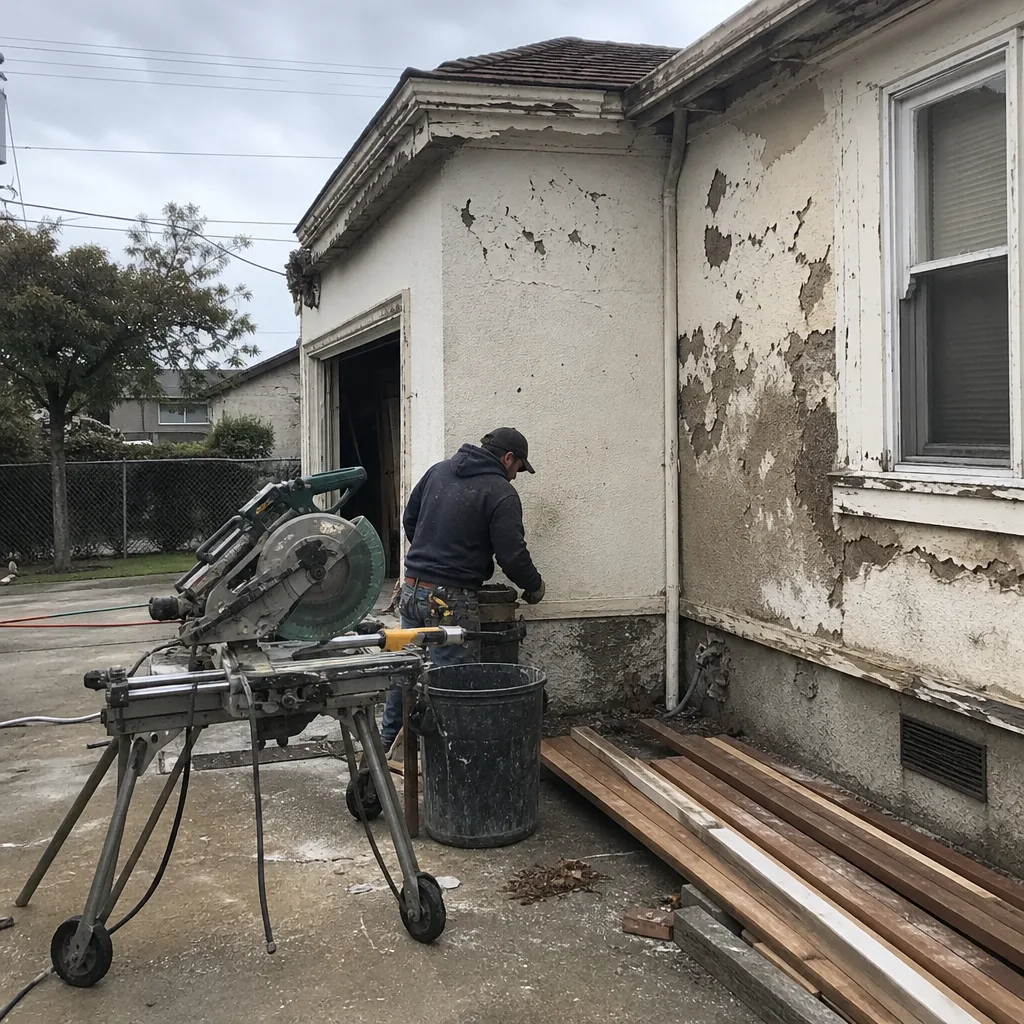 Before
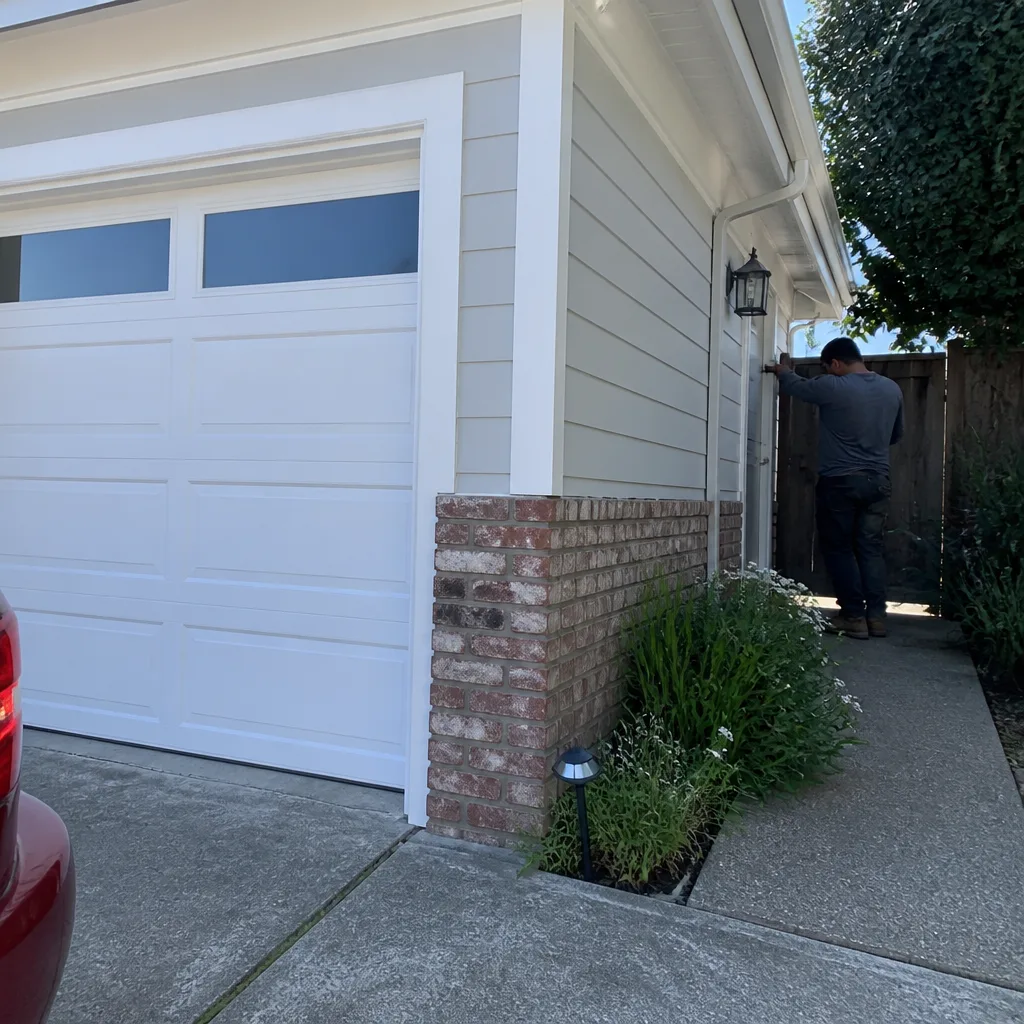 After
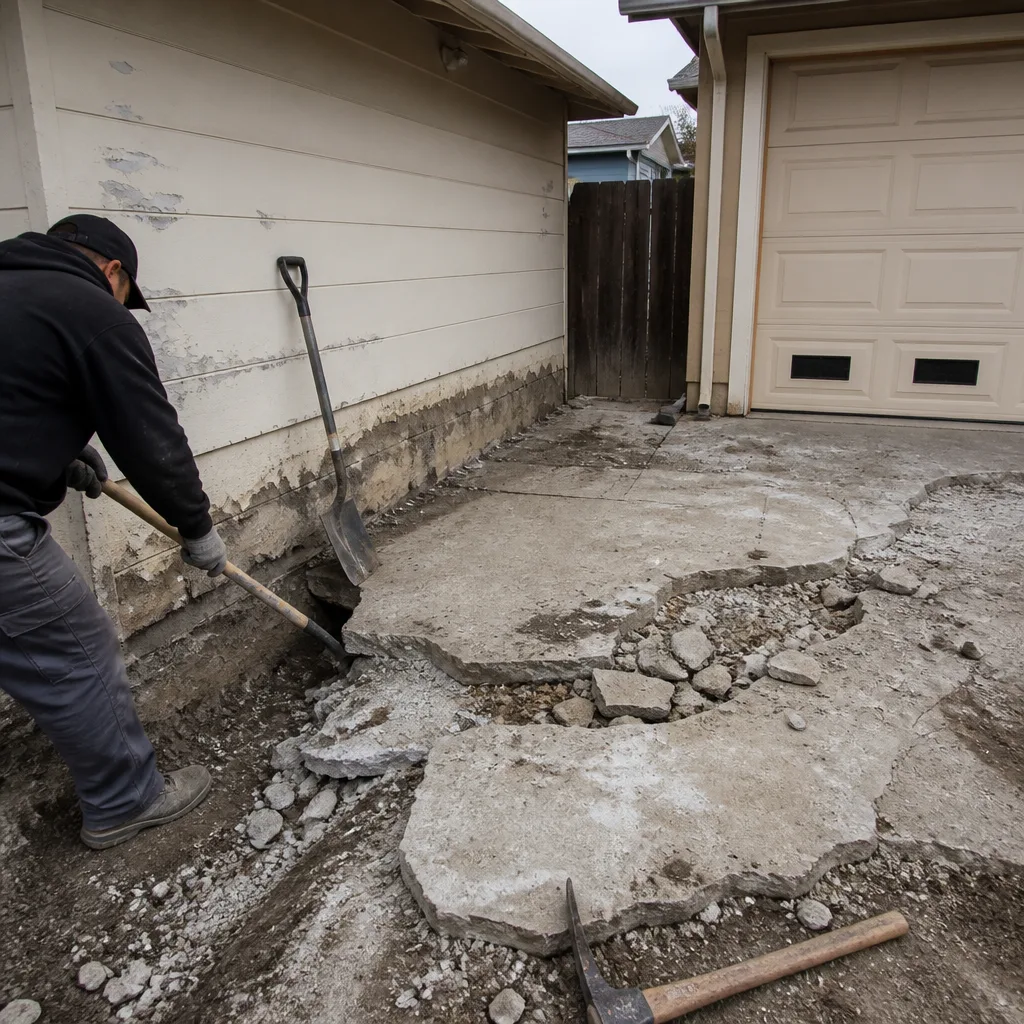 Before
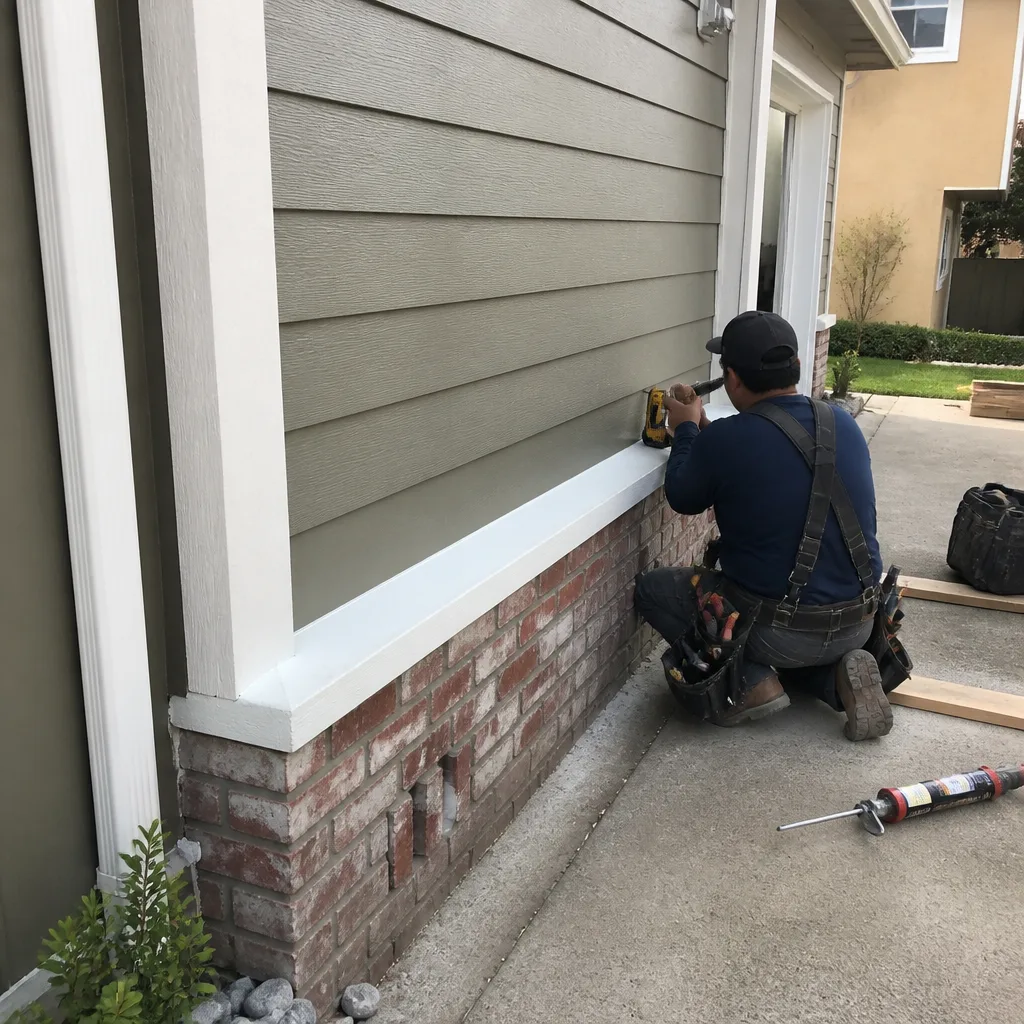 After
 Before
 After