Last updated October 30, 2026
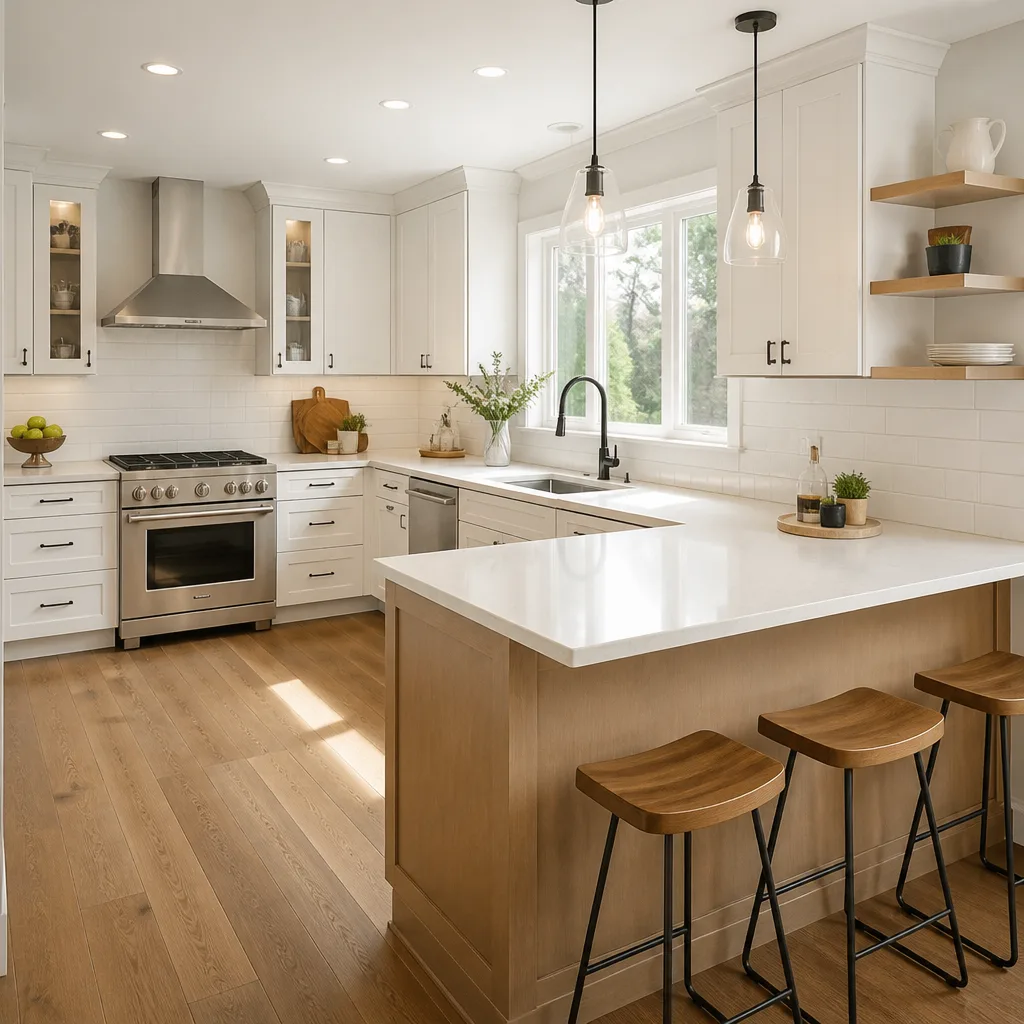 Kitchen remodeling
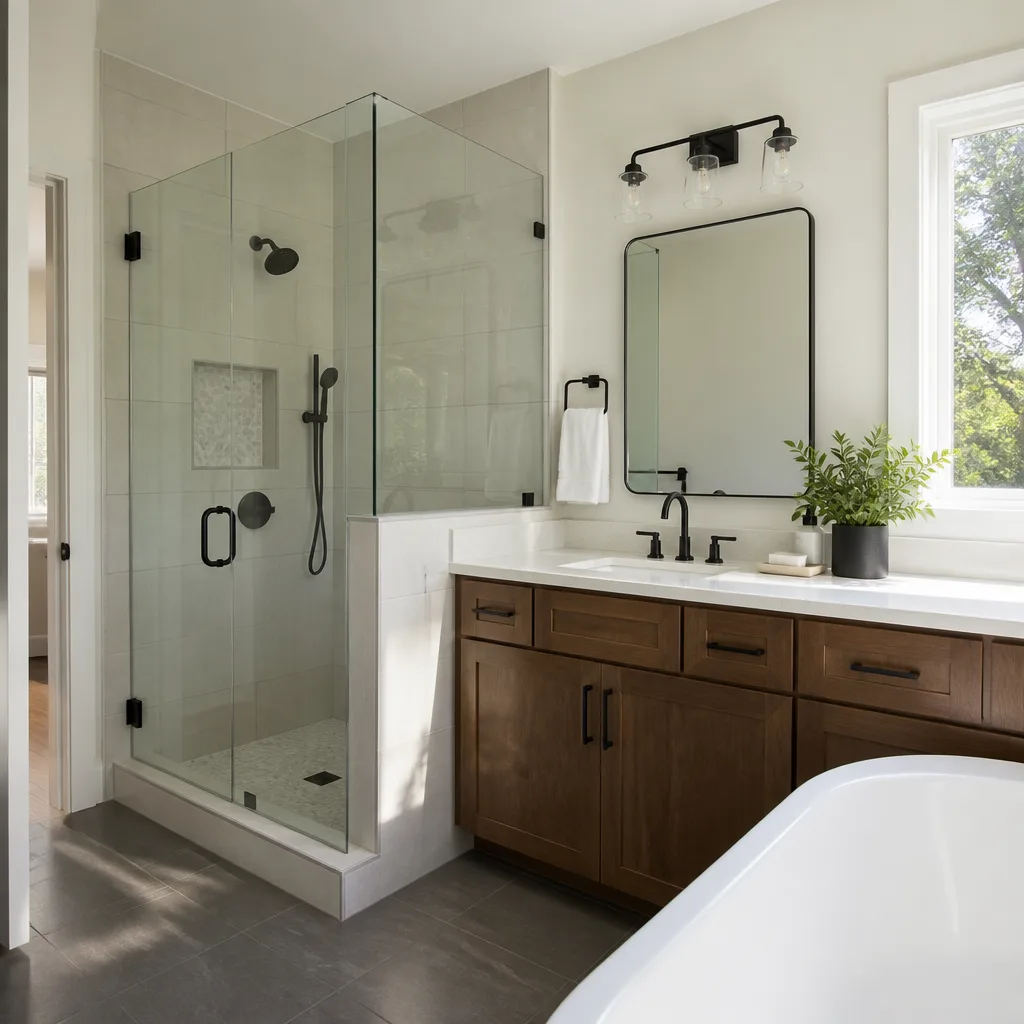 Bathroom remodeling
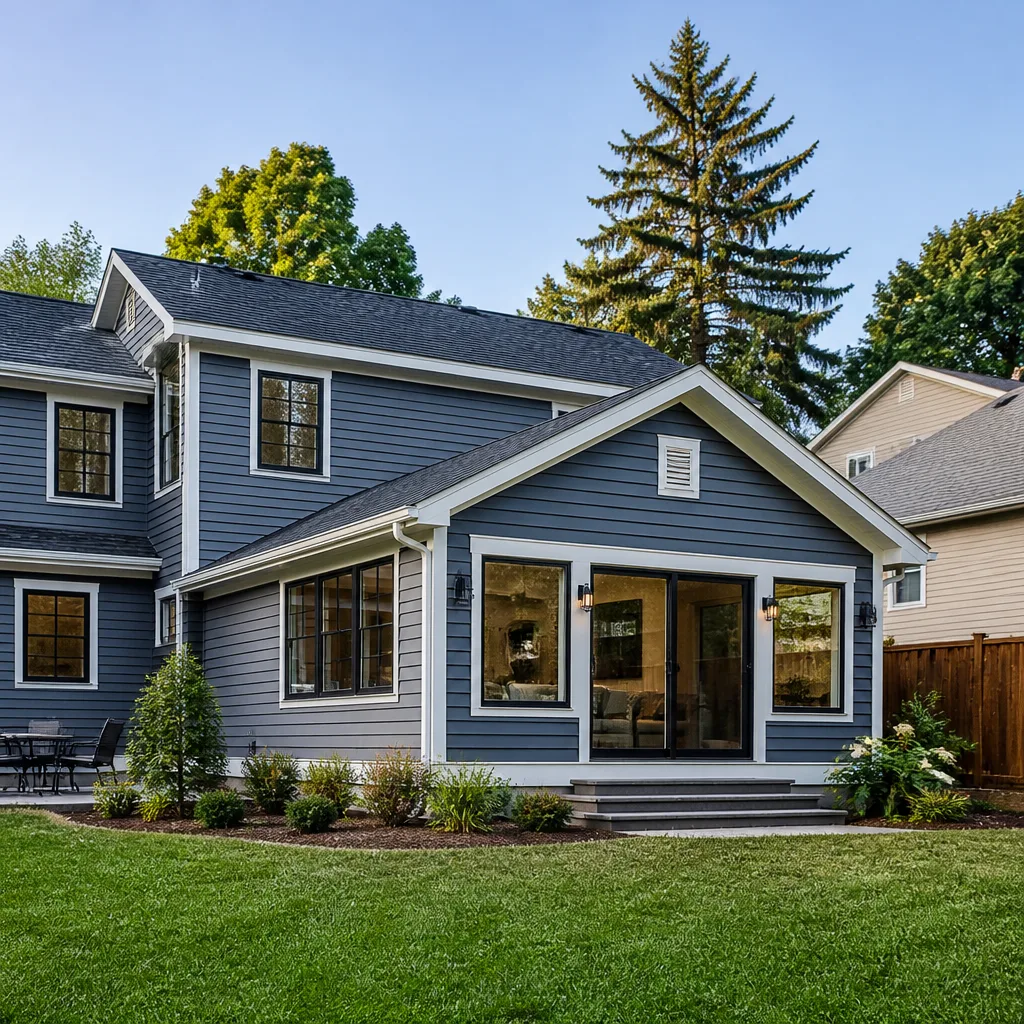 Home additions & ADU
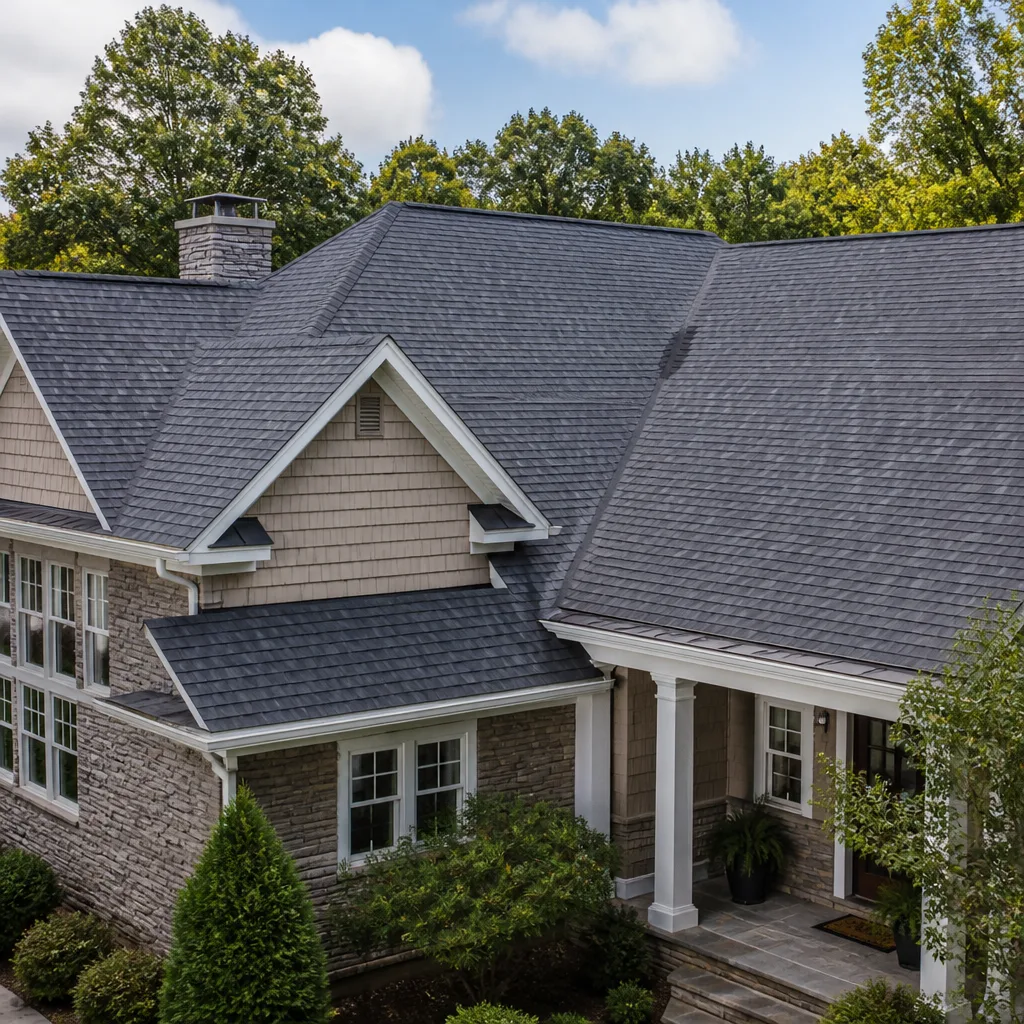 Roofing
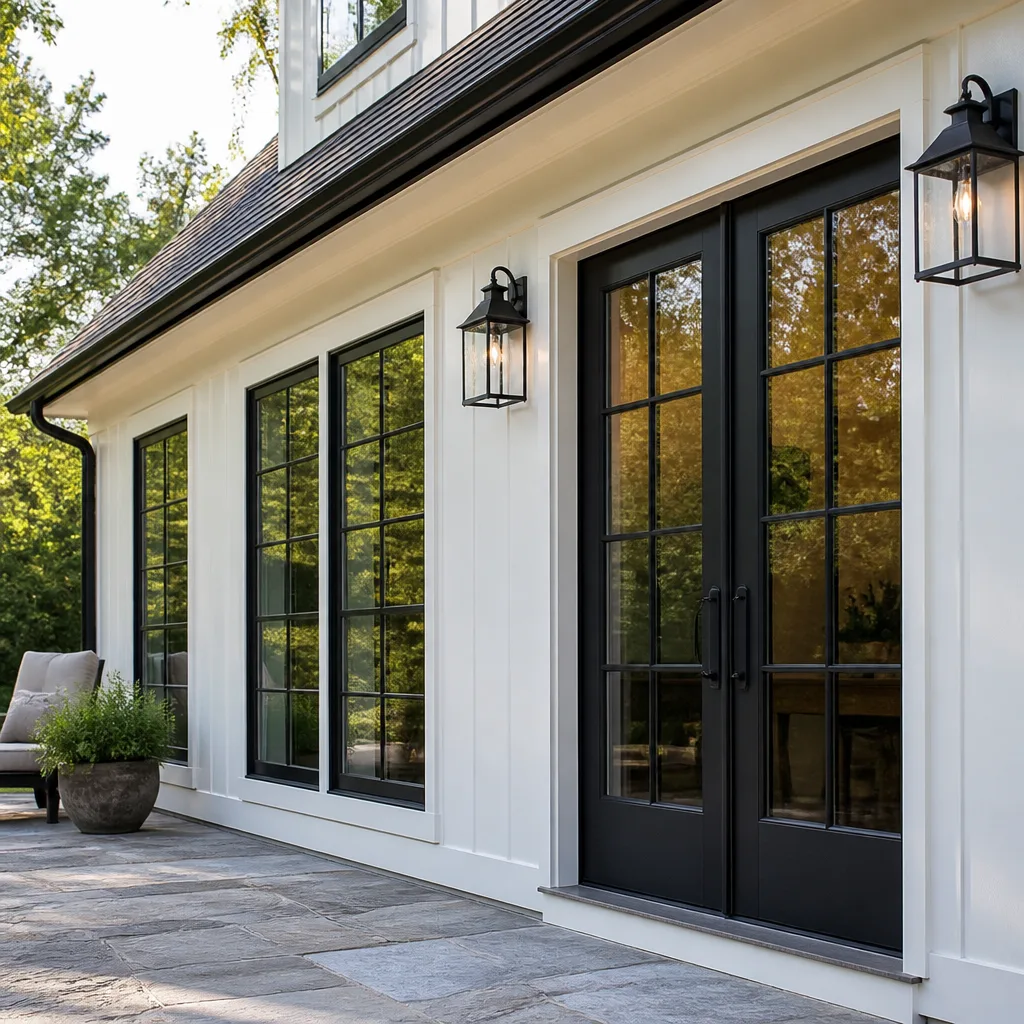 Windows & doors
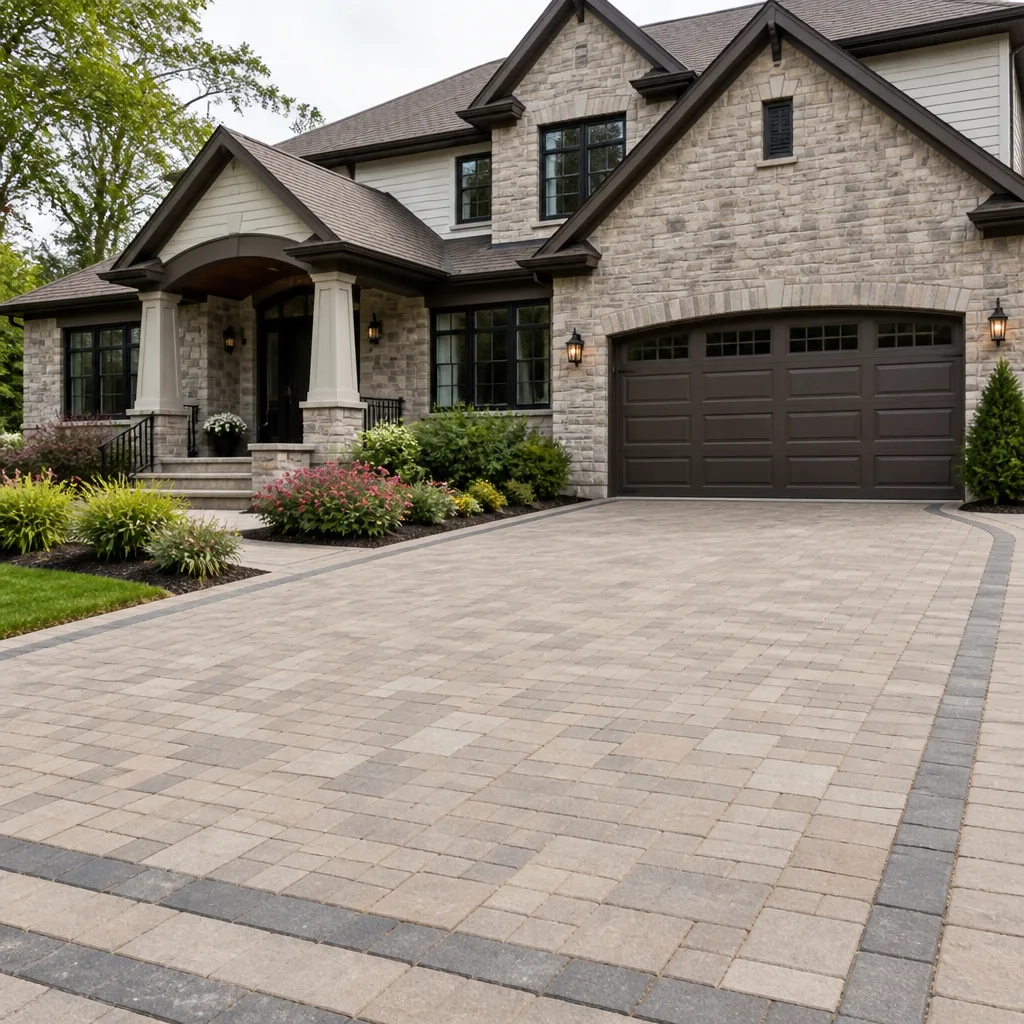 Driveway & pavers
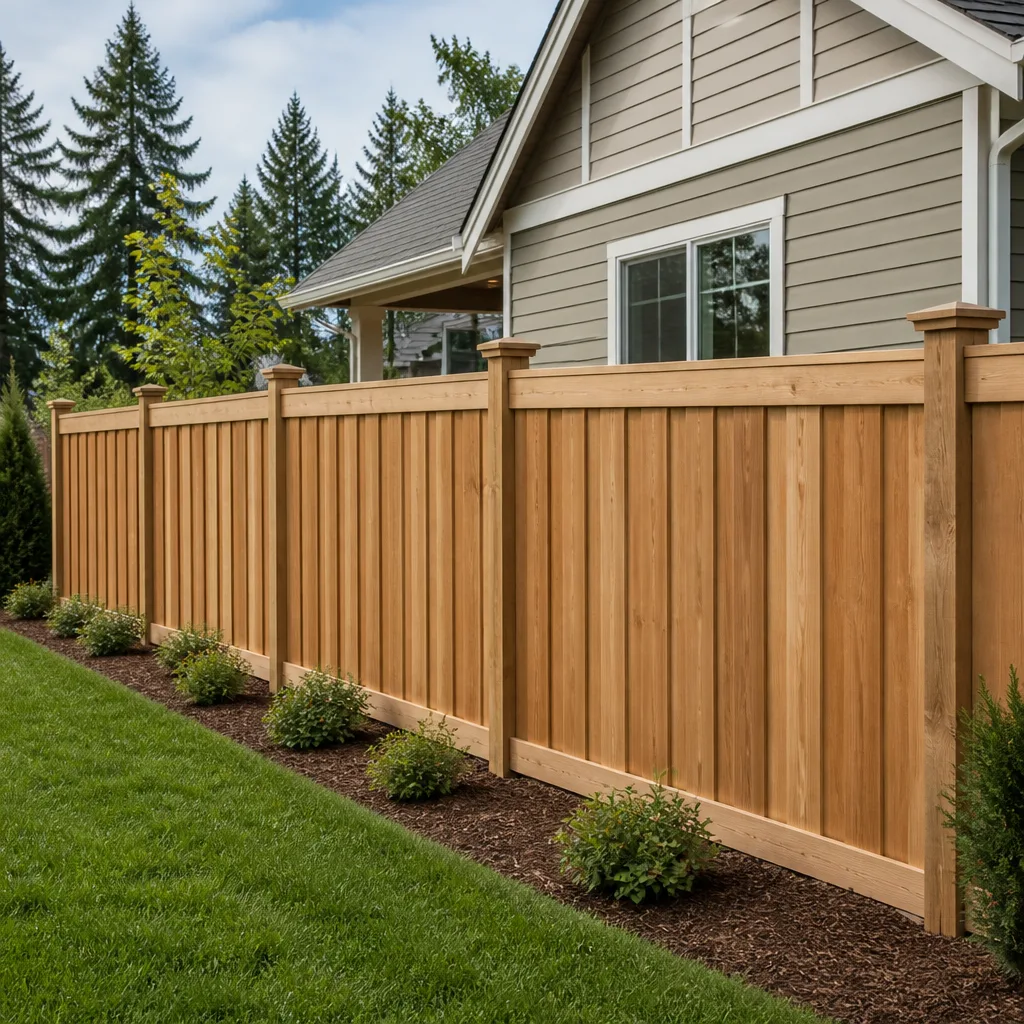 Fence
Free written scope consultation - allowances, timeline, and change-order rules on paper before a single trade is scheduled
Choosing the Right Construction Brand: A Buyer’s Guide for San Bruno
Most San Bruno homeowners spend weeks picking a countertop color and about four minutes picking the brand behind it. That’s backwards. The brand determines whether that countertop resists fog-driven moisture, whether replacement parts exist in five years, and whether your contractor can actually get it delivered before your cabinets arrive. A brand that looks great in a showroom but has a six-week lead time from the nearest distribution center is a brand that will delay your project, and your contractor won’t always tell you that upfront unless you ask specifically. This guide covers what actually matters when choosing construction brands in San Bruno: warranty structure, local stocking, contractor familiarity, and how marine air separates durable products from showroom illusions.
Styles & brands we work with
Quick Answer
Choosing the right construction brand in San Bruno comes down to three questions: Is the warranty manufacturer-backed or contractor-backed? Is the product stocked locally enough to avoid project-stalling lead times? And has your general contractor installed it before? Brands like KraftMaid, Cambria, James Hardie, and GAF earn their place in San Bruno homes because they combine accessible distribution, climate-appropriate engineering, and warranty support that doesn’t depend on one contractor staying in business. Work with a contractor who carries 50+ vetted brands, and material selection becomes a real choice rather than whatever the installer prefers. For a deeper look at vetting contractors in our area, see The Complete General Contractor Guide for San Bruno Homeowners.
Table of Contents
- Why Warranty Structure Matters More Than the Brand Logo
- Lead Times and Local Stocking: The San Bruno Reality
- Climate-Specific Criteria: Fog, Salt Air, and Marine Moisture
- Where Brand Matters vs. Where Mid-Tier Performs Identically
- Contractor Familiarity: The Risk of a Brand Your GC Has Never Installed
- Questions to Ask a General Contractor About Their Preferred Brands
- ADU and Prefab Brands: A Different Decision Entirely
- Common Mistakes to Avoid
- When to Call a Professional
- Frequently Asked Questions
- The Bottom Line
Why Warranty Structure Matters More Than the Brand Logo
A lifetime warranty means nothing if the company behind it disappears in three years. And a manufacturer-backed warranty means nothing if the manufacturer decides the failure was an installation issue, which is where they go first. In San Bruno, where marine air accelerates material degradation, warranty claims aren’t hypothetical. They’re a normal part of owning a home near the coast.
Here’s the distinction every homeowner needs to understand before signing a contract:
- Manufacturer-backed warranties stay with the product. If your contractor retires, moves, or goes out of business, the warranty still applies. Cambria countertops, James Hardie siding, and GAF roofing systems all carry manufacturer-backed coverage that follows the material.
- Contractor-backed warranties are only as strong as the contractor’s longevity. If the company dissolves, your warranty dissolves with it. This isn’t always bad, but it changes the risk calculation. A contractor who’s been in San Bruno for years and stands behind their work has real skin in the game. A brand-new LLC with a flashy website doesn’t.
- Hybrid warranties split the difference: the manufacturer covers the material, the contractor covers the labor. This is the most common structure for roofing, windows, and siding, and it’s the structure you want to see in writing.
We’ve seen San Bruno homeowners get burned by this more than once. A homeowner near Crestmoor Canyon had a patio door fail two years after installation. The contractor had moved out of state. The manufacturer denied the claim, citing improper flashing. Because there was no separate labor warranty, the homeowner paid full replacement cost out of pocket. The lesson: ask who backs the warranty before you fall in love with the product.
What to Verify in Writing
- Ask for the warranty document by name, not a summary. “We offer a 10-year warranty” is not a warranty. The actual document is.
- Confirm whether the manufacturer’s warranty requires professional installation. Most do. If you’re tempted to save money with a handyman, know that it likely voids the coverage.
- Check whether the warranty is prorated. A “lifetime” shingle warranty from CertainTeed or Owens Corning typically covers full replacement for the first 10 years, then prorates. That’s still strong coverage, but it’s not a blank check.
- Ask what happens if the contractor and manufacturer disagree about the cause of a failure. A good general contractor handles that fight for you. A bad one leaves you in the middle.
We coordinate brands like GAF, CertainTeed, and James Hardie specifically because their warranty structures are clear, well-documented, and supported by long distribution histories in Northern California. That makes claims straightforward when something does go wrong. If you’re planning a whole-home renovation, understanding warranty structure before selecting materials is one of the most valuable hours you’ll spend on the project. For broader project planning context, see our Complete Guide to Construction in San Bruno.
Lead Times and Local Stocking: The San Bruno Reality
San Bruno sits in a strange logistical position. We’re 20 minutes from the Port of Oakland and 15 minutes from South San Francisco’s industrial corridor, which means some materials arrive fast. But we’re also a small residential market compared to San Francisco or San Jose, which means high-end specialty brands often stock closer to bigger demand centers, not here.
This creates a specific failure pattern: a San Bruno homeowner finds a European plumbing fixture or an imported tile line they love, signs the contract, and then discovers the material has a nine-week lead time from a warehouse in New Jersey. The project stalls. The kitchen sits half-finished. The homeowner blames the contractor. The contractor blames the supplier. Nobody wins.
What’s actually stocked locally or regionally matters more than most people think. Brands with strong West Coast distribution, including Kohler, Moen, Delta, and American Standard on the plumbing side, and GAF, CertainTeed, and Owens Corning on the roofing side, can often be sourced within days. Niche European lines might take weeks or months. Neither is wrong, but you need to know the difference before you commit.
Lead Time Questions Worth Asking
- Where is the nearest distribution center for this exact product line?
- What is the current lead time for this specific SKU, not just the brand generally?
- What happens to the project schedule if the material arrives two weeks late?
- Is there a comparable alternative with shorter lead time that we should consider?
Our approach at San Bruno Construction is to build a project schedule around realistic material availability, not optimistic assumptions. We work with a portfolio of 50+ vetted brands precisely because it gives homeowners real alternatives when one line is backordered or discontinued. You don’t want a contractor who installs one cabinet brand and one countertop line. If that brand has supply issues, your project stops. That’s not resilience. That’s a single point of failure.
For framing, a home renovation in Santa Cruz faces similar coastal supply dynamics, but San Bruno’s proximity to major distribution hubs means mid-range brands like KraftMaid and Wellborn cabinets typically arrive faster than comparable options in more remote coastal markets. Use that to your advantage by choosing brands with proven regional stocking.
Climate-Specific Criteria: Fog, Salt Air, and Marine Moisture
San Bruno’s climate is not like the rest of the Bay Area, and definitely not like the national marketing photos you’ll see in brand catalogs. We get fog, consistent marine air, and enough ambient moisture to challenge materials in ways that inland homeowners never experience. A window that performs perfectly in Livermore may corrode, fog, or fail prematurely on a hillside above San Bruno Avenue.
Here’s what actually matters for exterior products in our climate:
- Windows: Marine air is hard on window hardware and seals. Brands like PGT, CGI, and ECO Window Systems engineer their products for coastal environments, with corrosion-resistant hardware and seal designs that hold up against fog-driven moisture. CWS and ES Windows build high-performance aluminum and thermally broken frames that resist the salt air that eats cheaper aluminum over time.
- Siding: James Hardie fiber cement didn’t become the default on the Peninsula by accident. It doesn’t warp or swell with fog-driven humidity the way some wood products do, and it resists the moisture cycling that San Bruno experiences year-round.
- Roofing: Moss and algae growth on shingles is a real problem in foggy climates. CertainTeed and Owens Corning offer algae-resistant shingle lines specifically formulated for coastal and high-humidity environments. GAF’s Timberline line also includes algae protection in many of its colorways.
- Decking and pavers: Moisture sitting on surfaces for extended periods accelerates wear. Belgard and Unilock pavers hold up well in marine environments when properly installed over a gravel and sand base with adequate drainage.
- Doors: Exterior doors take the brunt of fog and temperature swings. Therma-Tru builds fiberglass entry doors that don’t swell, rot, or warp the way wood doors do after a few San Bruno winters.
The brands that earn their place in San Bruno homes are the ones that engineered for coastal conditions before coastal conditions became a marketing bullet point. That doesn’t mean you need the most expensive option in every category. It means you need to ask whether the product you’re considering was designed for marine air or just marketed toward it. A good general contractor knows the difference. A brand-only salesperson might not.
Where Brand Matters vs. Where Mid-Tier Performs Identically
Not every product category rewards premium spending. Some categories have meaningful quality differentiation between brands. Others are commodities where mid-tier options perform essentially identically to premium ones. Knowing which is which saves real money without sacrificing durability.
Categories Where Brand Matters
- Exterior windows and doors: Marine air punishes cheap aluminum and poorly sealed frames. CGI, PGT, and ECO Window Systems cost more, but the corrosion resistance and seal integrity are genuinely different. This is not a place to save money in San Bruno.
- Roofing underlayment and flashing: The waterproofing components you never see matter more than the shingles you do see. GAF, CertainTeed, and Owens Corning build complete roofing systems, not just shingles, and their system warranties reflect that. Cheaper materials fail at the seams first.
- Cabinetry boxes: KraftMaid and Wellborn use plywood box construction and full-extension drawer hardware that holds up under daily use. Cheap cabinets with particleboard boxes sag and delaminate in San Bruno’s humidity. This is a structural difference, not a style difference.
- ADU and prefab structural systems: Abodu, Dvele, Mighty Buildings, and Plant Prefab build factory-engineered structures with quality control that site-built framing can’t match. If you’re building an ADU, the brand you choose has real implications for build time, energy performance, and resale value. Boxabl and Tuff Shed serve different segments, but each has a specific engineering philosophy worth understanding.
Categories Where Mid-Tier Is Often Enough
- Interior paint: Once you’re above builder-grade, most major paint brands perform similarly in San Bruno’s mild interior climate. Benjamin Moore, Sherwin-Williams, and Dunn-Edwards all hold up fine. Pick the color you like.
- Basic tile: Ceramic and porcelain tile from mid-range brands perform comparably to premium lines for most floor and wall applications. The installation quality matters more than the brand name.
- Plumbing fixtures (entry-level): Moen and Delta build reliable, repairable fixtures at accessible price points. You don’t need a Grohe or Toto fixture in every bathroom. But the valves and cartridges are worth paying up for on fixtures you use daily.
- Interior doors: Hollow-core interior doors from major manufacturers are essentially interchangeable. Solid-core upgrades matter for soundproofing, but the brand difference is minimal.
The skill is knowing where to spend and where to hold back. A homeowner who puts premium dollars into exterior windows and saves on interior paint makes a smarter allocation than one who does the reverse. A good general contractor helps you make those calls without pushing you toward whatever earns the highest margin.
Contractor Familiarity: The Risk of a Brand Your GC Has Never Installed
Every contractor has a mental library of brands they know well and brands they’ve never touched. Installation familiarity isn’t about preference. It’s about risk. A brand’s installation manual only covers so much. The nuance of how a particular window line sits in a San Bruno hillside home, how a specific shingle line handles a low-slope roof section, how a certain cabinet line adjusts, those are learned through repetition.
When a homeowner brings a brand the contractor has never installed, a few things happen:
- Installation takes longer while the crew figures out the product’s quirks.
- Mistakes are more likely, and manufacturer warranties often hinge on installation quality.
- The contractor may not know which accessories, fasteners, or flashing details the brand requires.
- If something goes wrong, the contractor may blame the product and the manufacturer may blame the installation, and the homeowner gets stuck in between.
This doesn’t mean you should only choose from your contractor’s shortlist. It means you should ask which brands they know cold and which they’d be learning on your project. The conversation should be transparent. A contractor with access to 50+ brands across cabinetry, countertops, plumbing fixtures, roofing, windows, doors, siding, fencing, and pavers has enough breadth that you can find a product you love without forcing them into unfamiliar territory. If your contractor only offers two brands in a category, you’re not choosing materials. You’re accepting whatever they prefer to install.
There’s a difference between a contractor with strong opinions and one who defers entirely. Strong opinions usually come from experience, and they’re worth hearing. A contractor who says “we’ve installed a lot of this line and the hinge quality has declined in the last two years” is giving you useful information. A contractor who says “whatever you want, we’ll figure it out” is telling you they haven’t thought about it much, which means they haven’t learned from experience either.
If you’re considering a home remodeling project in Santa Cruz, the same principle applies: contractor familiarity with the specific product line is as important as the brand name itself. The brand doesn’t install itself.
Questions to Ask a General Contractor About Their Preferred Brands
Most homeowners ask about price and timeline. Almost none ask about brand selection, which is strange when you consider that the materials will be in your home for decades. Here are the questions that actually surface useful information:
- “Which brands do you install most often, and why?” Listen for specific reasons: warranty support, local availability, failure rates, ease of service. Vague answers like “they’re just good quality” don’t tell you anything.
- “Which brands have you stopped carrying or recommending?” This is the more revealing question. Every contractor has removed brands due to quality issues, supply problems, or warranty disputes. The answer tells you whether they’re actually evaluating brands or just installing whatever’s cheapest.
- “What’s your warranty claim process like with this brand?” A contractor who has filed claims knows how the manufacturer actually behaves. A contractor who has never filed a claim either hasn’t been in business long or has been very lucky.
- “What’s the current lead time for this exact product?” Don’t accept “usually about three weeks.” Demand a current check. Lead times shift constantly, and a brand that was quick to ship last year may be backed up now.
- “If this product is backordered, what’s our fallback?” There should always be a plan B. A contractor who has 50+ brands at their disposal can offer an alternative without derailing the project. A contractor with one option in each category can’t.
- “Who backs the warranty: you, the manufacturer, or both?” Get the answer in writing. If the contractor is the sole warranty backer, ask what happens if the company dissolves.
- “Have you installed this brand in San Bruno specifically?” Climate matters. A brand that performs well in Sacramento may struggle with our fog and marine air. Local installation history is the proof.
When we sit down with San Bruno homeowners, we walk through each of these questions openly. We’d rather have a client choose a different brand based on clear information than choose our recommendation and feel uncertain later. One contractor, every phase, from countertops to rooflines to ADUs, means you’re never running this vetting process with five different companies.
ADU and Prefab Brands: A Different Decision Entirely
If you’re building an ADU in San Bruno, brand selection works differently than it does for a kitchen remodel or roof replacement. With a prefab ADU, the brand is the structure. You’re not buying materials. You’re buying an engineered system, a construction method, and a design philosophy.
San Bruno’s ADU market is growing as homeowners look for ways to add housing without the cost and disruption of traditional construction. The Bay Area has become a hotbed for prefab and modular construction startups, and several have proven themselves in real-world installations:
- Abodu builds compact, factory-constructed ADUs designed specifically for California’s regulatory environment. Their units are engineered for quick permitting and fast installation.
- Dvele focuses on high-performance, health-conscious construction with integrated smart home systems and aggressive energy targets.
- Mighty Buildings uses 3D-printing technology to produce prefab components, which changes the speed and precision of construction.
- Plant Prefab builds custom and semi-custom prefab homes and ADUs with a strong design pedigree from Southern California.
- Boxabl produces foldable, transportable structures designed for rapid deployment, though their size and configuration options are more limited.
- Tuff Shed isn’t an ADU brand in the traditional sense, but their structures are sometimes used for accessory storage or workspace rather than living space.
Choosing between these brands involves different questions than choosing between cabinet lines. You’re evaluating the company’s financial stability, their support network in the Bay Area, their track record with San Bruno permitting, and whether their design approach fits your property. A general contractor who coordinates these installations adds a critical layer: site preparation, foundation work, utility connections, and finish work that the prefab company doesn’t handle.
Most residential remodelers don’t offer ADU coordination at all. They’ll tell you to find a specialist, which means you’re managing another vendor relationship, another contract, another schedule. The value of working with a contractor who handles ADUs alongside your other renovation work is that the site prep, permits, and utility connections get coordinated with everything else. One accountable point of contact, not three.
If you’re exploring a broader general contractor in Santa Cruz or planning a San Bruno ADU, the brand decision for prefab structures deserves as much research as the contractor decision. They’re intertwined.
Common Mistakes to Avoid
- Choosing a showroom brand without checking lead time. We’ve seen a San Bruno homeowner fall in love with an imported plumbing line that had an 11-week lead time, then spend eight of those weeks living out of a powder room. Always check current availability before you commit emotionally.
- Assuming a lifetime warranty means you’ll never pay for a repair. Most lifetime warranties are prorated or cover materials only, not labor. Read the document, not the marketing.
- Buying the cheapest bid without comparing brand inclusions. A low bid that includes builder-grade everything isn’t a deal. It’s a specification downgrade. Compare what’s actually included, line by line.
- Forcing your contractor to install a brand they’ve never worked with. You’re paying for their experience, then ignoring it. If you want a specific niche brand, ask what it will cost in time and risk, not just dollars.
- Ignoring San Bruno’s marine air when choosing exterior products. A product that performs fine in Walnut Creek may corrode, warp, or fail faster in our fog. Choose exterior materials for our climate, not someone else’s.
- Selecting materials without thinking about who backs the warranty. When something fails in year five, the warranty structure determines whether you get a free replacement or a bill. Ask before you buy.
- Going solo on a brand decision for an ADU. Prefab brands have different permitting paths, site requirements, and utility connection needs. The brand decision affects the entire project timeline and budget in ways that kitchen cabinet selection never will.
When to Call a Professional
Brand selection happens best within the context of a coordinated project, not as an isolated shopping exercise. If you’re planning a renovation that spans multiple categories, like a kitchen remodel that touches cabinetry, countertops, plumbing fixtures, and possibly structural work, you need someone who can coordinate material lead times across all of them. A cabinet line arriving three weeks before the countertops creates storage problems. A countertop arriving before the cabinets is a disaster. If your project involves exterior work in San Bruno’s marine climate, ADU planning with prefab brands, or any scope where multiple trades overlap, professional coordination prevents the scheduling chaos that stalls projects for months. For help budgeting across these overlapping scopes, see our Construction Cost Breakdown: The San Bruno Homeowner’s Reference for 2026. San Bruno Construction offers free estimates in San Bruno, call (866) 472-1908 to schedule yours.
Frequently Asked Questions
The best construction brands for San Bruno homes are brands engineered for coastal conditions with manufacturer-backed warranties and local or regional distribution. James Hardie for siding, GAF, CertainTeed, and Owens Corning for roofing, CGI, PGT, and ECO Window Systems for windows, Therma-Tru for doors, KraftMaid and Wellborn for cabinetry, and Cambria, Silestone, and Caesarstone for countertops all perform consistently in our marine air environment. Call (866) 472-1908 to discuss which brands fit your specific project.
Premium construction brands typically cost 20 to 50 percent more than mid-range options, depending on the category. Exterior windows and doors from CGI or PGT cost meaningfully more than builder-grade alternatives, but the corrosion resistance and seal integrity justify the premium in San Bruno’s fog and salt air. For interior paint and basic tile, mid-range performs nearly identically. The smart allocation is premium where it matters, mid-range where it doesn’t.
Let your contractor source them. Contractor pricing is typically better than retail, the contractor takes responsibility for lead times and delivery coordination, and if materials arrive damaged or incorrect, it’s their problem to resolve, not yours. The exception is if you have a specific brand you want that your contractor doesn’t carry, in which case you should discuss availability and installation risk before buying anything.
For San Bruno’s fog and marine air, choose products engineered for coastal environments. James Hardie fiber cement siding resists moisture swelling. CGI, PGT, and ECO Window Systems build windows with corrosion-resistant hardware. CertainTeed and Owens Corning offer algae-resistant shingles. Therma-Tru fiberglass doors don’t warp or rot in high humidity. These manufacturers design for the exact conditions San Bruno experiences year-round.
Prefab ADU brands like Abodu, Dvele, Mighty Buildings, Plant Prefab, and Boxabl each have different site requirements, permitting paths, and utility connection needs. Some are designed for quick permitting, others for high performance, others for custom design. A general contractor who coordinates prefab installations handles the site preparation, foundation, and utility work that the prefab company doesn’t include. Confirm the full scope before assuming the brand’s advertised price covers everything.
It depends entirely on the contractor. Some contractors carry two or three brands in each category and that’s what you choose from. Others, including us at San Bruno Construction, maintain a portfolio of 50+ brands across cabinetry, countertops, plumbing fixtures, roofing, windows, doors, siding, fencing, pavers, and prefab ADUs. The difference is whether you’re choosing from real options or accepting whatever the contractor prefers to install. Call (866) 472-1908 for a free estimate and a full brand discussion.
The Bottom Line
Choosing construction brands in San Bruno is not about finding the most expensive name or the prettiest showroom display. It’s about matching products to our fog and marine air, verifying that warranties have real backing, confirming that lead times won’t stall your project, and working with a contractor who knows the brands they install. The best brand in the world becomes a liability in the hands of a contractor who’s never installed it. The smartest San Bruno homeowners treat brand selection as a partnership with their general contractor, not a solo shopping exercise. One contractor, every phase, from countertops to rooflines to ADUs. Built with brands engineered to last. We coordinate the trades so you don’t have to. Choose materials from a curated lineup of industry-leading brands, and get back to living in your home instead of managing it. Explore more guides & resources to help plan your project.
Written by the team at San Bruno Construction, serving San Bruno since 2016.
Ready to discuss brands for your project? Call (866) 472-1908 for a free estimate, or explore our San Bruno Construction home page to learn more about our full-scope remodeling services.
See the difference
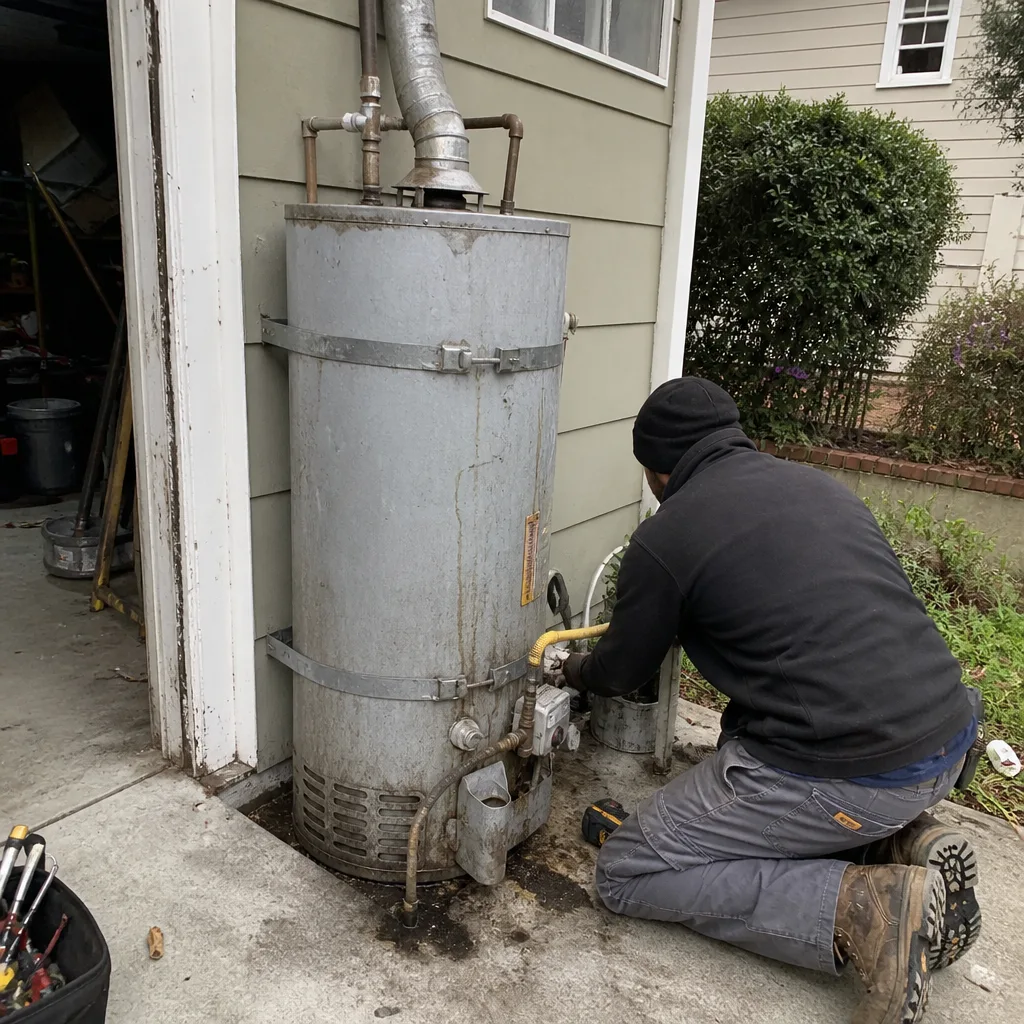
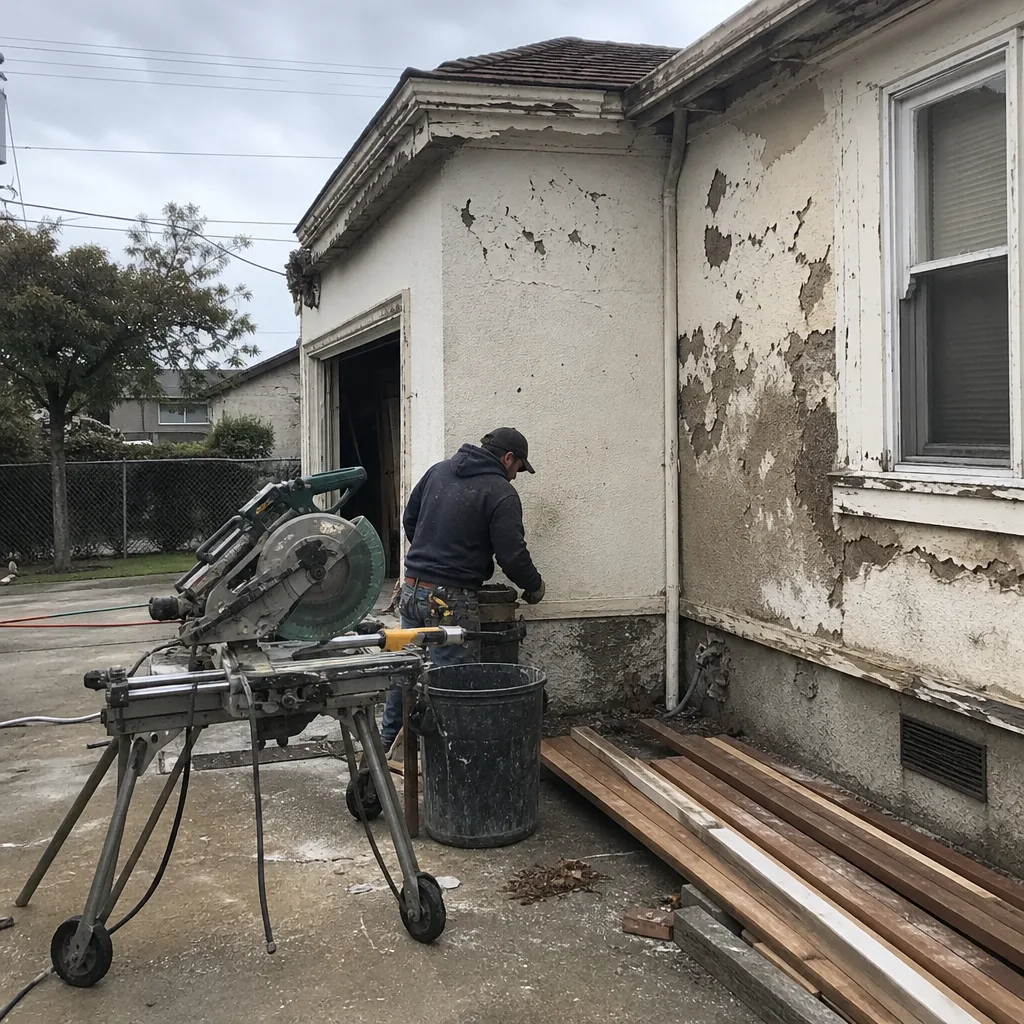 Before
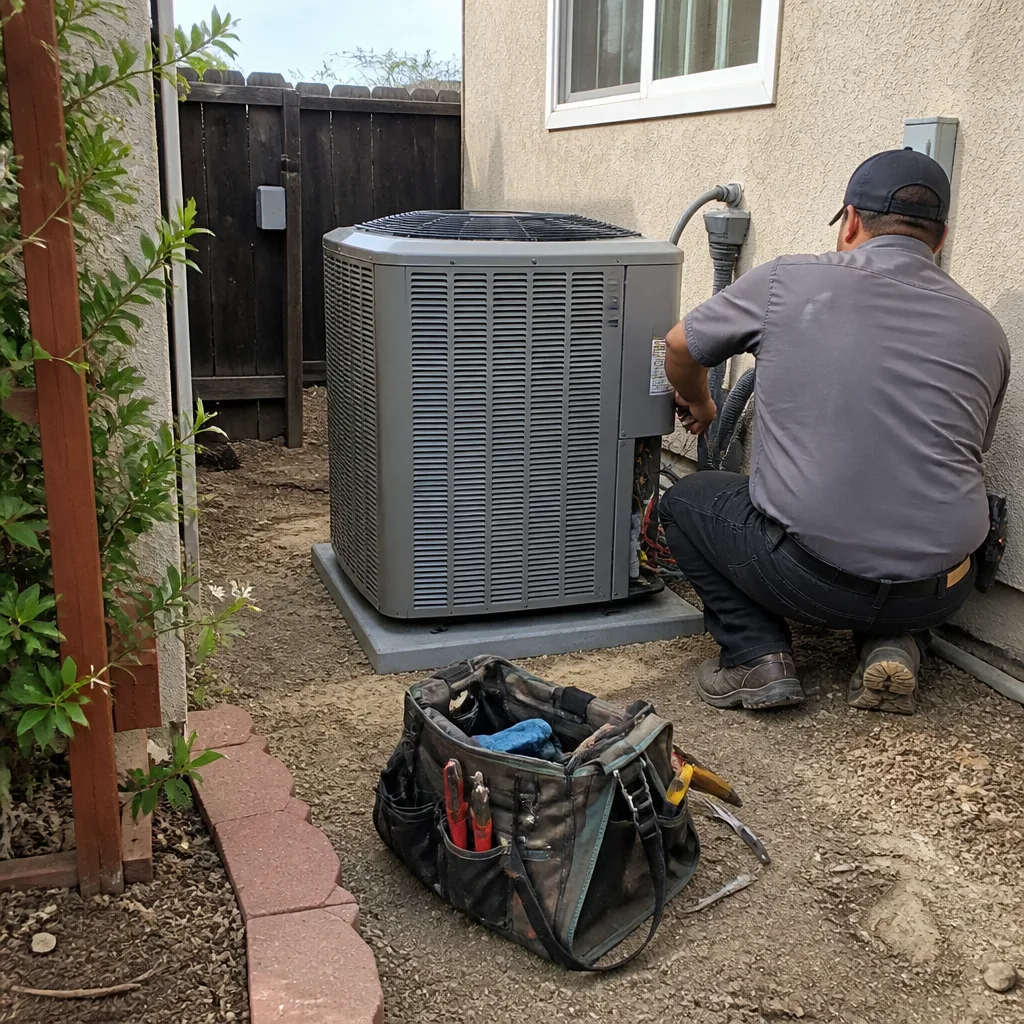
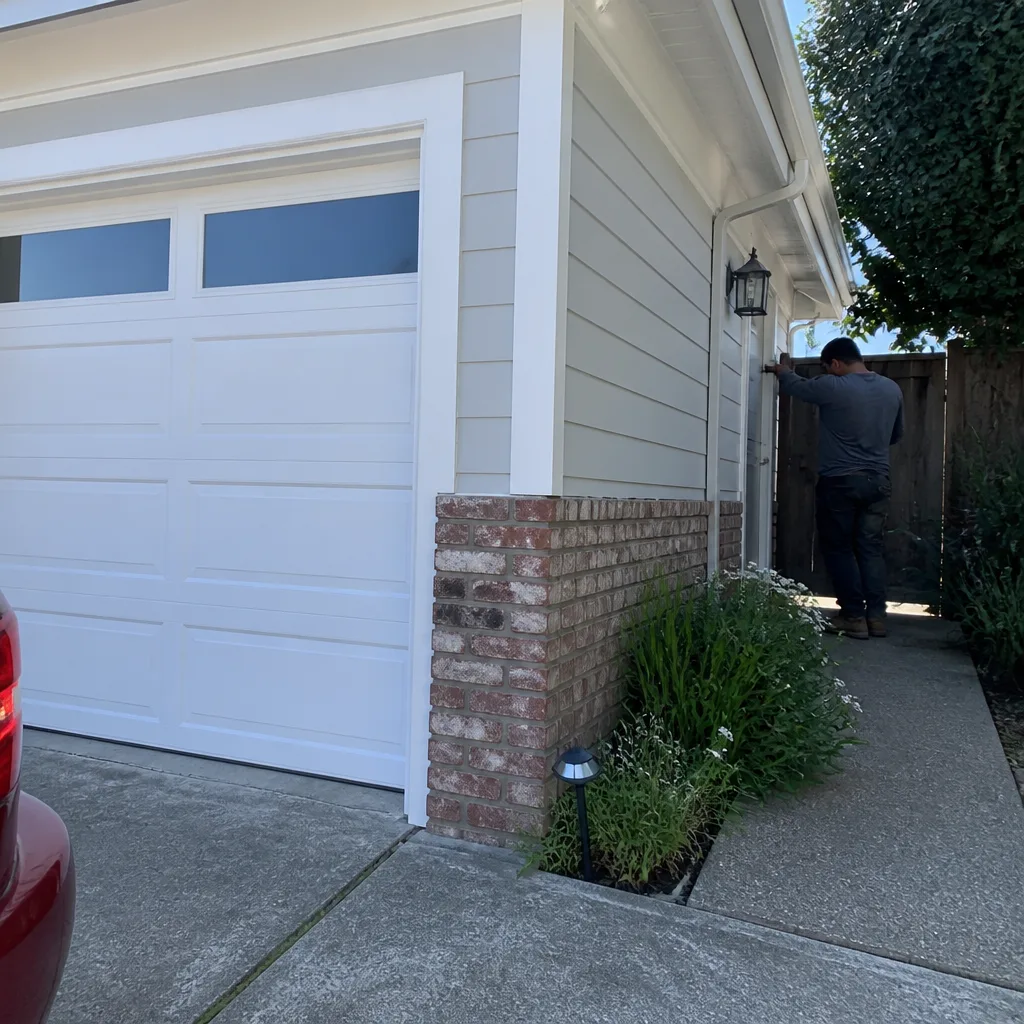 After
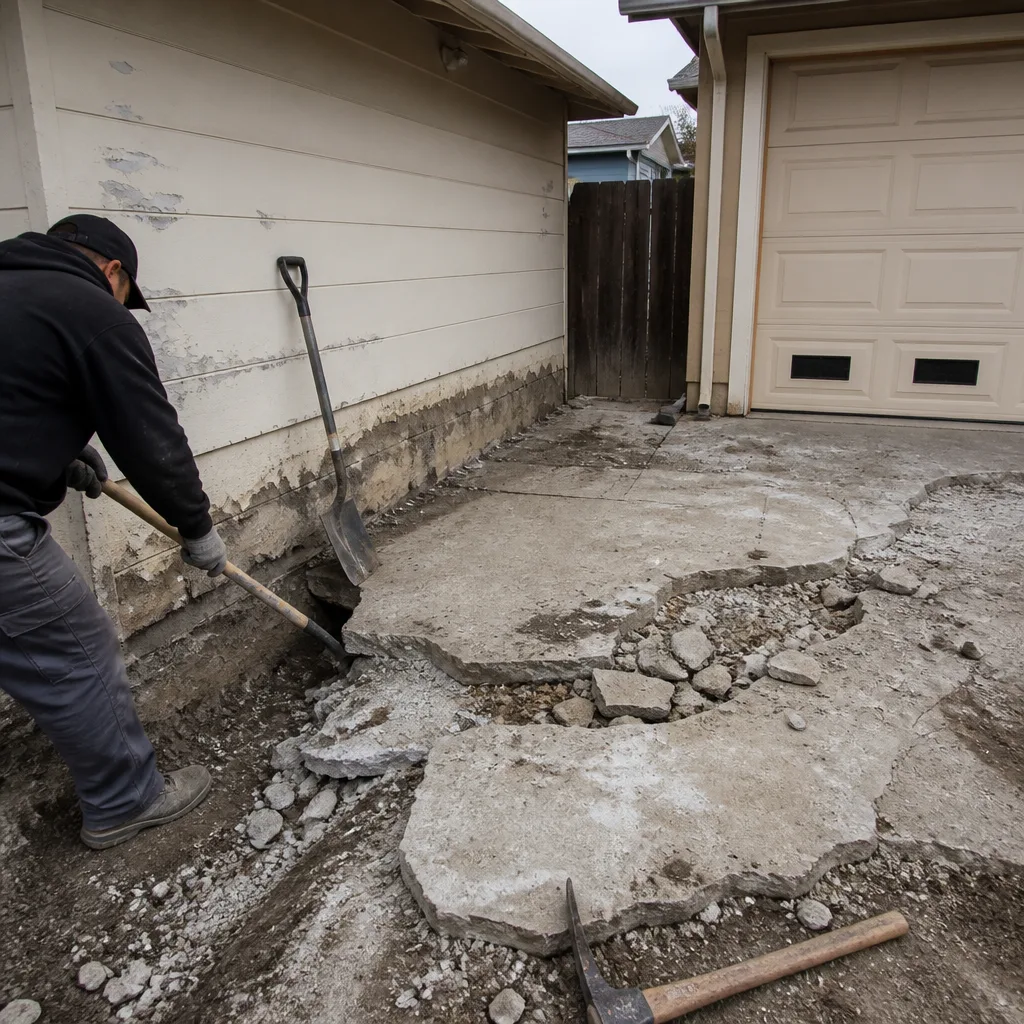 Before
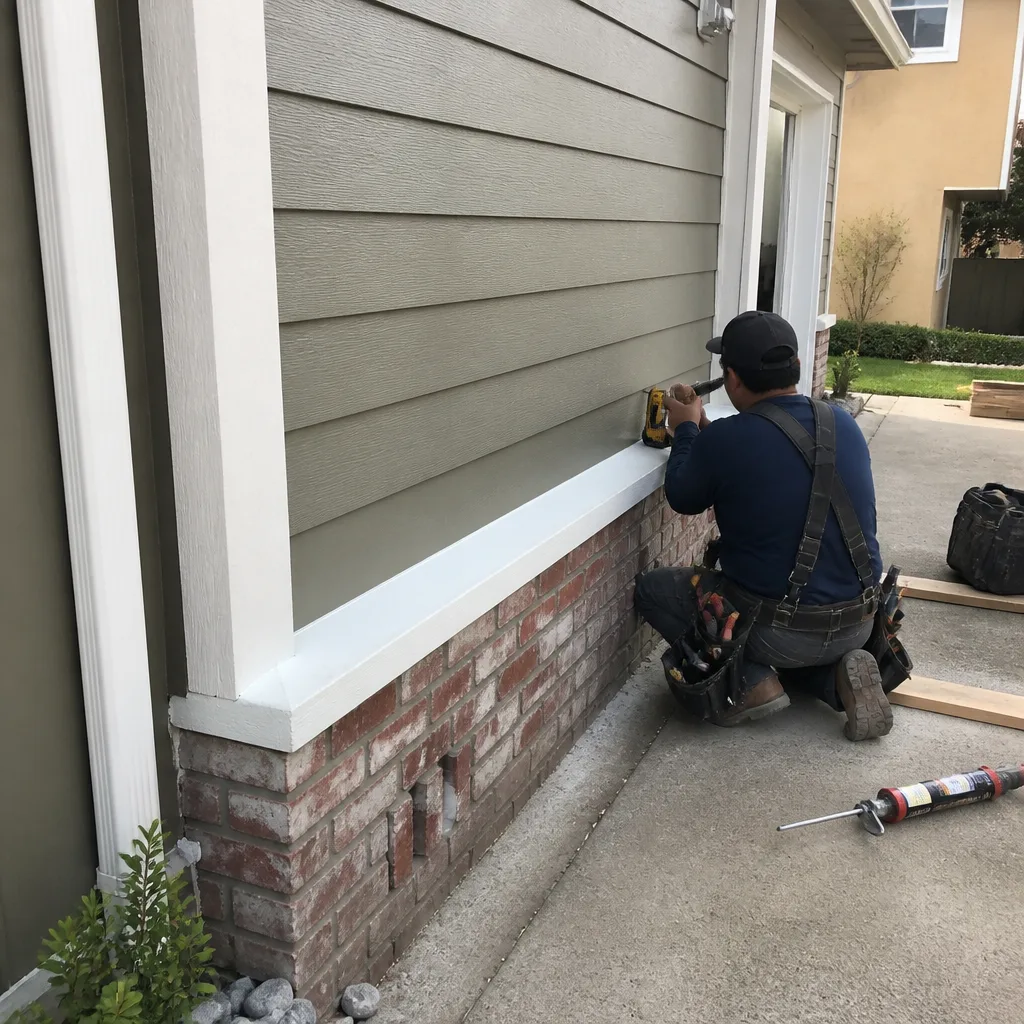 After
 Before
 After