
Last updated October 30, 2026
 Home additions & ADU
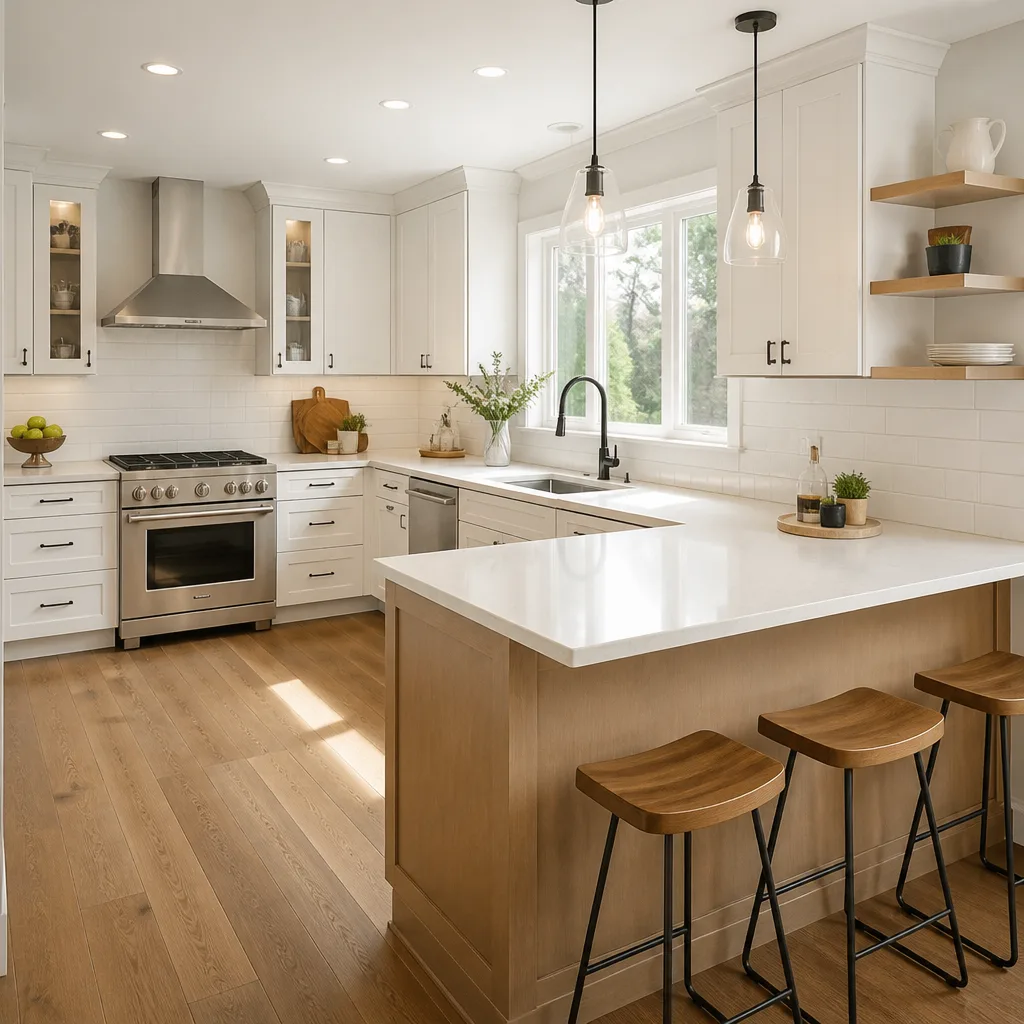 Kitchen remodeling
 Bathroom remodeling
 Roofing
 Windows & doors
 Driveway & pavers
 Fence
Free written scope consultation - allowances, timeline, and change-order rules on paper before a single trade is scheduled
The Complete General Contractor Guide for San Bruno Homeowners
Here’s something most San Bruno homeowners don’t realize until it’s too late: the most expensive line item in your renovation isn’t the stone countertop or the new roof. It’s the gap between what your contractor says they’ll do and what they’re actually contractually obligated to do. A general contractor who “manages” a project but holds no direct liability for the subcontractors they hire is functionally a middleman with a markup. This guide explains how to tell the difference before you sign anything, what California law actually requires of licensed GCs, and how San Bruno’s specific building environment affects your project from permit to punch list.
Styles & brands we work with
Quick Answer
A general contractor in San Bruno is a state-licensed professional who takes contractual and financial responsibility for your entire renovation project: hiring and supervising subcontractors, pulling permits, scheduling inspections, and delivering the finished work to code. The right GC is accountable for every trade on site, not just the ones they self-perform. Hiring one means you have a single point of legal recourse if anything goes wrong, which is the entire point of the contract.
Table of Contents
- What a General Contractor Actually Does
- What “Licensed General Contractor” Actually Means in California
- Self-Performing Core Trades vs. Subbing Everything Out
- Scope-of-Work Documents: What Must Be in Writing
- How San Bruno’s Climate and Location Affect Your Renovation
- How to Evaluate a GC’s Vendor Network
- The San Bruno Permit and Inspection Process
- How General Contractors Structure Pricing
- Common Mistakes to Avoid
- When to Call a Professional
- Frequently Asked Questions
- The Bottom Line
What a General Contractor Actually Does
A general contractor is the single accountable entity for your renovation. Not a consultant. Not a coordinator in a separate contract. The GC signs one contract with you, and that contract makes them responsible for the outcome of the entire project, including every subcontractor who walks through your door.
In practice, a San Bruno GC handles four distinct jobs at once.
First, they manage the money. Your GC collects progress payments and disburses funds to plumbers, electricians, cabinet installers, and material suppliers. If a subcontractor doesn’t get paid, the GC owes them, not you. That’s the legal structure created by the prime contract, and it’s the single most important difference between a real GC and someone who gives you three phone numbers and tells you to call around.
Second, they control the schedule. Renovation sequencing isn’t random. Demo before rough-in, rough-in before drywall, drywall before flooring in most cases. A GC sequences trades so the electrician isn’t waiting on the plumber, and the tile setter isn’t standing around while the waterproofing cures. In San Bruno, where many homes are 1950s and 1960s construction with remodels added over decades, sequencing gets complicated by unknown conditions behind walls. A GC who has seen San Bruno’s older housing stock knows what to expect when the drywall comes off.
Third, they enforce quality against the contract documents. Every trade produces work that has to meet the written scope, the manufacturer installation specs, and the California Building Code. The GC inspects that work at each phase. Not because they’re being nice. Because if it fails inspection or fails later under warranty, the GC’s insurance and reputation take the hit.
Fourth, they carry the liability. A general contractor carries general liability insurance and workers’ compensation coverage that extends to the project. When a subcontractor’s employee gets injured on your property, the GC’s workers’ comp is the first line of defense. If the work is defective, the GC’s license bond and liability policy respond. None of that protection exists when you hire trades directly.
This is why the San Bruno Construction home page defines the entire value proposition the way it does: one contract, one accountable entity, every trade coordinated through a single point of responsibility.
What “Licensed General Contractor” Actually Means in California
California issues a General Building Contractor license, Class B, through the Contractors State License Board (CSLB). That license is the difference between a legal general contractor and an unlicensed operator who cannot enforce a contract in California court and cannot file a mechanic’s lien.
The Class B license allows the holder to “construct, alter, repair, add to, subtract from, improve, move, wreck, or demolish any building, highway, road, parking facility, railroad, excavation, or other structure.” Critically, a Class B GC can take a project that involves multiple trades under one contract. That’s the legal definition of the word “general” in “general contractor.”
What a Class B does not allow is operating as a specialty contractor in a single trade under a specialty license. A Class B GC can perform framing, concrete, and finish work as part of a larger remodel. They cannot hold themselves out as a professional plumbing or electrical contractor unless they also hold a C-36 plumbing or C-10 electrical license. When San Bruno Construction coordinates licensed plumbing and electrical subcontractors, that’s the legal structure California requires, and it protects homeowners by putting every licensed trade under the GC’s prime contract.
The license itself requires passing a two-part exam covering construction law and trade knowledge, demonstrating four years of verified journey-level experience, submitting fingerprints, and posting a $25,000 license bond. The bond exists specifically to pay homeowners for damages caused by a contractor’s violation of license laws.
Verify any San Bruno contractor’s license at the CSLB website before signing anything. A legitimate GC has nothing to hide and will provide their license number on request. If someone resists showing their license, walk away. You cannot recover from a bond that was never posted.
Self-Performing Core Trades vs. Subbing Everything Out
Every general contractor falls somewhere on a spectrum. At one end, the GC self-performs most of the work with in-house crews. At the other, the GC operates as a paper contractor, subbing every trade to the lowest bidder and doing little more than scheduling. Both models can work. But they carry fundamentally different risk profiles for the homeowner.
Why self-performing matters. A GC who employs carpenters, framers, and site superintendents directly has built quality control into their payroll. Their workers answer to them, not to a sub-subcontractor two steps removed. When a cut is wrong, the fix happens the same day, not two weeks later after the sub schedules around three other jobs. In San Bruno, where many homes sit on hillside lots with tricky access, a GC with in-house field capability can respond to site logistics issues faster than one waiting on a sub’s availability.
Why subbing trades is normal and usually correct. No residential general contractor employs master plumbers, master electricians, and HVAC technicians on staff. Those trades require separate specialty licenses in California, so the work is subbed by law. The question isn’t whether the GC subs the electrical. The question is whether the GC has an established, vetted, repeat roster of specialty subs or just picks someone off a local Facebook group the week before rough-in.
The tell-tale signs of a coordination-only GC. If the contractor can’t tell you who their plumber is, who their electrician is, and how many projects they’ve completed together, that’s a red flag. If they say “I just use whoever’s available,” the risk transfers directly to you, because the GC’s contract may cover their own work but leave ambiguity about subcontractor accountability.
What you want is the middle: a GC who self-performs meaningful portions of the project and has an established sub roster for the licensed specialty trades. That structure gives you direct accountability for the core work and proven coordination for the specialty work.
Homeowners exploring broader markets should understand this same logic applies everywhere. The General Contractor in Santa Cruz page covers the same risk profile for coastal projects, where site conditions make subcontractor reliability even more critical.
Scope-of-Work Documents: What Must Be in Writing
California law is unusually blunt about this: home improvement contracts over $500 must be in writing, in detail, and signed by both parties. A verbal agreement is legally insufficient and unenforceable on its terms. The scope of work is the document that defines what you’re actually buying, and every ambiguity in that document gets resolved against the contractor when disputes land in court or arbitration.
What a defensible scope of work contains:
- Specific materials by brand and model or SKU. Not “tile, ceramic, mid-range.” It should say “Daltile or equal, approved in writing before purchase.” Generic descriptions are how disputes happen.
- Specific locations. “Kitchen remodel” is not a scope. “Kitchen remodel including removal of existing cabinets, soffits, and flooring; installation of new cabinetry, countertops, backsplash, sink, and vent hood; relocation of one duplex outlet” is a scope.
- Quantities and dimensions. How many lineal feet of baseboard, square feet of flooring, number of cabinets and drawers.
- Explicit exclusions. What’s not included is as important as what is. Painting, for instance, is frequently excluded from “bathroom remodel” scopes without the homeowner realizing it.
- Permit responsibility. Who pulls, who pays, who schedules inspections.
- Change-order process in writing. How changes are priced, approved, and documented.
Here’s the part The Complete Guide to Construction in San Bruno and most guides miss: in San Bruno, the scope of work interacts with the city’s building department in specific ways. San Bruno enforces the California Energy Code and local amendments that affect window replacement, insulation levels, and water heater installations. If your scope doesn’t reflect those requirements, the permit review will catch it, and the cost delta becomes a change order. A GC who knows San Bruno’s local amendments builds code compliance into the scope from day one, so the permit review doesn’t come back with surprised line items.
The same documentation discipline protects homeowners on the coast. The Home Remodeling in Santa Cruz page details how coastal moisture and seismic requirements change typical remodel scopes in that market, but the legal principle is identical: write it down, in detail, before work starts.
How San Bruno’s Climate and Location Affect Your Renovation
San Bruno sits in a specific microclimate that shapes every exterior renovation decision and several interior ones. The city is close enough to the Pacific to get significant fog, marine layer, and salt air, but far enough from the immediate coast that some homeowners wrongly assume coastal moisture isn’t a factor. It is.
Fog and moisture. San Bruno averages over 100 foggy days a year, with summer fog that can linger until noon or later. That persistent moisture means exterior materials need real corrosion resistance, not just whatever the national average spec sheet says. Siding fasteners, flashing, and exterior trim should be rated for coastal exposure. Paint on west-facing elevations takes a beating from UV once the fog burns off, then reabsorbs moisture when the marine layer rolls back in. A San Bruno GC who has watched years of local exteriors age knows which products hold up under that cycle and which don’t.
Wind exposure. San Bruno’s hills, especially neighborhoods on the western and northern slopes, get consistent afternoon wind. Roofing details like starter strips, drip edges, and underlayment fastening schedules matter more here than they do in sheltered Bay Area neighborhoods farther inland. The difference is visible in how roofing fasteners back out over a decade if they’re not rated for uplift zones.
Seismic requirements. San Bruno is near the San Andreas Fault system, and the city enforces the California Existing Building Code provisions for seismic strengthening on certain building types. Soft-story conditions, unbraced cripple walls, and foundation bolting are all in play depending on the age and construction of your home. If you’re doing a major renovation, the building department may require seismic upgrades to the existing structure as a condition of permit approval for the new work.
Drainage and soil. San Bruno has pronounced topography, and drainage failures are the most common cause of property damage we see locally. Retaining walls, grading, downspout placement, and foundation waterproofing all require attention to how water moves across your specific lot during a winter storm cycle.
The practical takeaway: contractor selection in San Bruno should account for local climate knowledge. A contractor who mainly works in Sunnyvale or Fremont may deliver a perfectly code-compliant job that still performs poorly in San Bruno’s specific moisture and wind exposure. Local experience is not a marketing phrase in this context. It’s the difference between a 15-year exterior and a 8-year one.
How to Evaluate a GC’s Vendor Network Depth
Every general contractor has subcontractors. Far fewer have a material vendor network that gives you real choices. The distinction matters because your renovation outcome is determined by two things: the physical products installed and the quality of installation. Most homeowners focus on the second and ignore the first until they’re standing in front of a limited selection at a supplier’s showroom.
Here’s what a deep vendor network actually means for you as a San Bruno homeowner.
- Real product choices, not default picks. A GC with a broad vendor network can source cabinetry from multiple manufacturers in different price bands. You choose the cabinet line that fits your budget and aesthetic, not the one the contractor defaults to because they get the best margin. The distinction shows up in the finish quality, the hardware, the drawer glide feel, and the resale value five years later.
- Material lead times that stay on schedule. Renovation timelines blow up most often on material availability. A GC with established accounts across multiple manufacturers can pivot when one line is backordered. A GC with two preferred suppliers is stuck waiting, and so are you.
- Warranty support that actually exists. Manufacturers honor warranties through their distribution chain. If the GC’s supplier is a real authorized distributor for the brands being installed, warranty claims get processed. If the materials came from a gray-market reseller or a mismatched channel, good luck.
- Pricing transparency across tiers. Most manufacturers offer good, better, and best product tiers. A GC with genuine brand access can price each tier transparently, so you decide where to save and where to invest. A GC with one brand and one price is selling a single option and calling it the best.
San Bruno Construction’s access to 50+ industry-recognized brands spans every major renovation category: cabinetry from KraftMaid and Wellborn, countertops from Cambria, Silestone, and Caesarstone, plumbing fixtures from Kohler, Moen, and Toto, roofing from GAF, CertainTeed, and Owens Corning, and ADU or prefab builds through Abodu, Dvele, Mighty Buildings, Boxabl, and Plant Prefab. Fencing options include lines from Ameristar, Jerith, and ActiveYards, which gives homeowners real range on material, style, and long-term durability.
The question to ask a prospective GC is not “do you have suppliers?” It’s “which manufacturers can you provide, in what product categories, at what price tiers, with what warranty support?” If the answer is a two-brand list, you’re working with a coordination broker, not a full-scope contractor.
The San Bruno Permit and Inspection Process
San Bruno’s building department operates under the California Building Standards Code with local amendments, and the permit process follows the standard Bay Area rhythm: plan review, permit issuance, phased inspections, final approval, and certificate of occupancy where applicable. Understanding the rhythm helps you set realistic expectations for the timeline.
Step 1: Determine what requires a permit. Kitchen remodels that move plumbing or electrical, bathroom remodels that touch the shower pan or drain, window replacements that change the rough opening size, roofing replacements, ADU construction, and almost any structural work all require permits. Painting, flooring, and fixture swaps typically don’t. Your GC should know the line, and should never suggest skipping a permit to save time. Unpermitted work becomes a disclosure headache when you sell and a code-enforcement risk while you own.
Step 2: Plan review. The city reviews your drawings and scope for code compliance. This can add weeks to the front end of the project, and that’s normal. Coastal-adjacent jurisdictions face additional energy code requirements under California’s Title 24, and San Bruno is no exception. Window U-factors, insulation R-values, and water heating system requirements all get scrutinized.
Step 3: Permit issuance and work begins. Demolition starts after the permit is issued. Your GC schedules inspections at each required phase: foundation, rough framing, rough electrical, rough plumbing, insulation, drywall, final.
Step 4: Inspections and corrections. Most San Bruno inspections pass on the first or second visit when the GC has done this work in the city before. Inspection corrections are a normal part of the process, not a sign of failure. What matters is how your GC responds. A good one schedules reinspection promptly and absorbs minor correction costs without drama.
Step 5: Final sign-off. The city issues final approval, the project closes out, liens get released, and warranties start. Your GC should provide copies of all final inspection records and any manufacturer warranty registrations.
For homeowners considering a full renovation, the Home Renovation in Santa Cruz page covers a similar permit and inspection pathway for coastal Santa Cruz County, where the local amendments and seismic triggers follow the same structural logic.
How General Contractors Structure Pricing
Most San Bruno homeowners go into a renovation with a budget number in their head and no framework for how contractor pricing actually gets built. For a deeper look at numbers, see our Construction Cost Breakdown: The San Bruno Homeowner’s Reference for 2026. Here’s the structure in plain language.
Fixed-price contracts. You agree on a total price based on a detailed scope of work. The GC carries the risk if the job runs over, and keeps the savings if it comes in under. Fixed pricing works best when the scope is well-defined and the GC has done enough of this work locally to know what the labor and materials will actually cost. It’s the most common structure for kitchens, bathrooms, and straightforward remodels.
Cost-plus contracts. You pay the actual cost of labor and materials plus an agreed markup percentage or fee. Cost-plus works when the scope is genuinely uncertain, like when walls are coming down and nobody knows what’s behind them. It provides transparency but puts most of the risk on the homeowner. A cost-plus job can run 15-25% over the initial estimate without any change to the actual scope if the estimate was built on optimistic assumptions.
Hybrid structures. Some GCs price known work fixed and uncertain work as a unit-price or time-and-materials line item. For more guides & resources on contract structures, see our blog. This can work, but every line item needs to be defined clearly enough that you understand what you’re paying for once the unknown resolves.
What’s not in the price, and what you should ask about:
- Permit fees are typically separate and paid to the city directly or passed through at cost.
- Design fees, if you’re using an architect or designer, are usually outside the GC’s contract.
- Structural engineering fees, engineering calculations, and soil reports may be required depending on scope and are usually charged separately.
- Change orders, when you change the scope after contract signing, are priced at the rates in your contract. Read the change-order clause before you sign.
San Bruno Construction provides free estimates, which means you get a detailed line-item quote before committing. The quote breaks down the cost by category, so you can see where the money is going and adjust the scope to fit the budget.
Common Mistakes to Avoid
- Hiring the lowest bidder because the budget says so. A bid that’s 30% below the next lowest contractor is not a bargain. It’s a scope gap, a material substitution, a schedule overrun, or an unlicensed operation waiting to happen. In San Bruno, where labor and materials costs are well-established, extreme low bids should trigger immediate scrutiny, not excitement.
- Signing a contract with a vague scope. “Remodel master bathroom, all new” is a dispute generator. If the scope document doesn’t specify materials by brand, quantities, finishes, and locations, you don’t have a scope. You have an invitation to argue.
- Paying too much upfront. California caps the down payment for home improvement contracts at 10% of the total or $1,000, whichever is less. Any contractor asking for more upfront is operating outside the law. Progress payments should be tied to completed phases, and you should never pay for work that hasn’t happened.
- Skipping permits because the contractor suggests it. This one lands in San Bruno specifically because the city enforces code on unpermitted work, and when you sell, unpermitted renovations become a title issue. A contractor who suggests skipping permits is asking you to absorb legal risk so they can save schedule time. That is never a good trade.
- Coordinating trades yourself to “save” the GC fee. Hiring an electrician directly, then a plumber directly, then a tile person directly doesn’t remove the GC fee. It removes the accountability. When the tile person chips the tub and blames the plumber, you have three vendors and no one responsible for the whole. That’s exactly the chaos a GC fee exists to prevent.
- Choosing products without checking lead times. Custom cabinetry and specialty windows can have lead times of 8-16 weeks. If your GC starts the project with lead-time items unordered, the job stalls before it begins. A good GC orders long-lead materials in the order they’re needed, back-timed from the scheduled install date.
- Believing a contractor’s online reviews tell you everything. Reviews are useful but easily gamed. It’s just as important to verify the license is active, check CSLB complaint history, and call past clients for references on projects similar to yours in San Bruno.
When to Call a Professional
Some projects are DIY-friendly in theory but become expensive in practice the moment something goes wrong. If your project involves any of the following, the professional conversation starts now: structural changes to load-bearing walls, any plumbing or electrical relocation, roofing, siding replacement, window or door replacement that changes the rough opening, any foundation work, and any ADU or new structure build. These scopes require permits, inspections, licensed specialty trades, and most importantly, a single accountable entity when the inevitable surprises surface.
Even if your project is smaller, like a bathroom update or a fence replacement, the coordination burden alone justifies hiring one contractor to manage the full scope. San Bruno Construction offers free estimates in San Bruno. Call (866) 472-1908 to schedule one and get a line-item quote before you commit to anything.
Frequently Asked Questions
General contractor fees in San Bruno typically range from 15% to 25% of the total project cost on a cost-plus basis, while fixed-price contracts bundle the fee into the overall bid. A complete kitchen remodel in San Bruno commonly falls between $35,000 and $85,000 depending on scope and material choices, while a full ADU build ranges from $180,000 to $400,000 or more based on design, site conditions, and prefab versus site-built. For an exact quote, call (866) 472-1908 to schedule a free estimate with a detailed line-item breakdown.
A kitchen remodel in San Bruno typically takes 8 to 14 weeks from permit issuance to final inspection, a bathroom runs 4 to 8 weeks, and a full home renovation or ADU build can span 4 to 12 months depending on scope, material lead times, and the city’s inspection schedule. The timeline starts at permit approval, not contract signing, and material lead times for custom items can add weeks to the front end. Call (866) 472-1908 for a realistic timeline on your specific project, free of charge.
Any project that changes plumbing, electrical, structural elements, roofing, windows, or adds square footage requires a permit in San Bruno. Cosmetic updates like painting, flooring replacement, and fixture swaps typically don’t. When in doubt, assume the answer is yes: the downside of an unnecessary permit is a fee and some waiting, while the downside of skipping a required permit is code enforcement, resale disclosure issues, and potential legal liability.
A general contractor holds a California Class B license and can take a multi-trade project under one prime contract, while a specialty contractor holds a Class C license in one trade, like plumbing (C-36), electrical (C-10), or roofing (C-39). A specialty contractor cannot legally take a whole-home renovation under their license unless they hold the appropriate general contracting license. A good GC coordinates licensed specialty subs and remains accountable for the entire project result.
Check the Contractors State License Board website at cslb.ca.gov, enter the contractor’s name or license number, and confirm the license is active, the classification matches the work (Class B for general contracting), and the bond and workers’ compensation information is current. The CSLB also lists disciplinary actions and complaints, which should be reviewed before you sign anything.
No. A general contractor provides both labor and materials under a single contract; the license and the legal structure don’t separate cleanly into piecemeal services. Some GCs offer consulting or project management services, but those arrangements don’t carry the same liability protection as a prime contract, and the legal protections you get from a licensed GC disappear when the GC isn’t actually contracting the work. If you want the accountability structure, you hire the GC for the full scope, materials and labor together.
The Bottom Line
A general contractor in San Bruno is the single accountable entity for your renovation project. Not a coordinator. Not a referral service. A licensed Class B contractor who signs your contract, manages your budget, schedules your trades, and carries the liability if anything goes wrong. Your job as the homeowner is to verify the license, read the scope of work carefully, confirm the vendor network is real, and pay attention to the details that actually determine whether a project succeeds: specific materials, explicit timelines, and honest communication. If your San Bruno renovation is coming up and you want a single contractor to handle every phase, call (866) 472-1908 for a free estimate.
Written by the team at San Bruno Construction, serving San Bruno since 2016.
See the difference
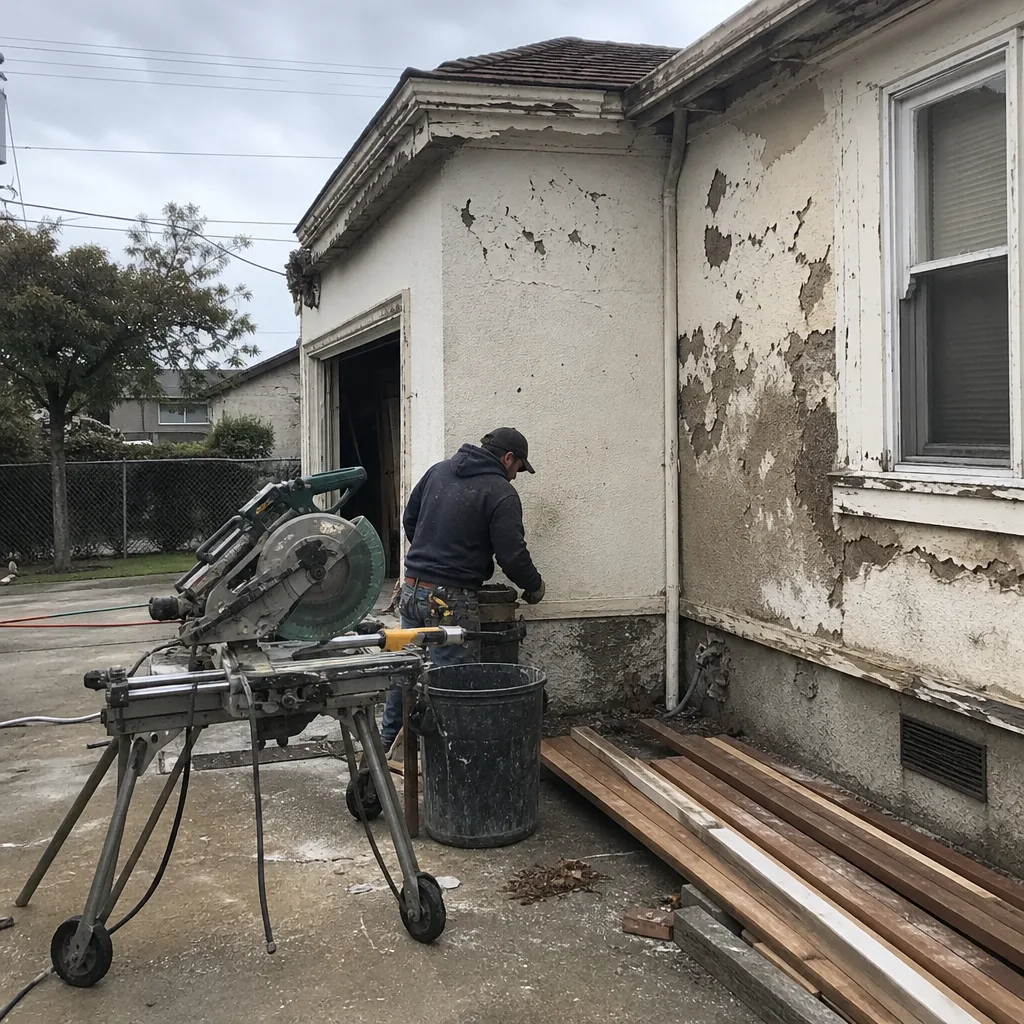 Before
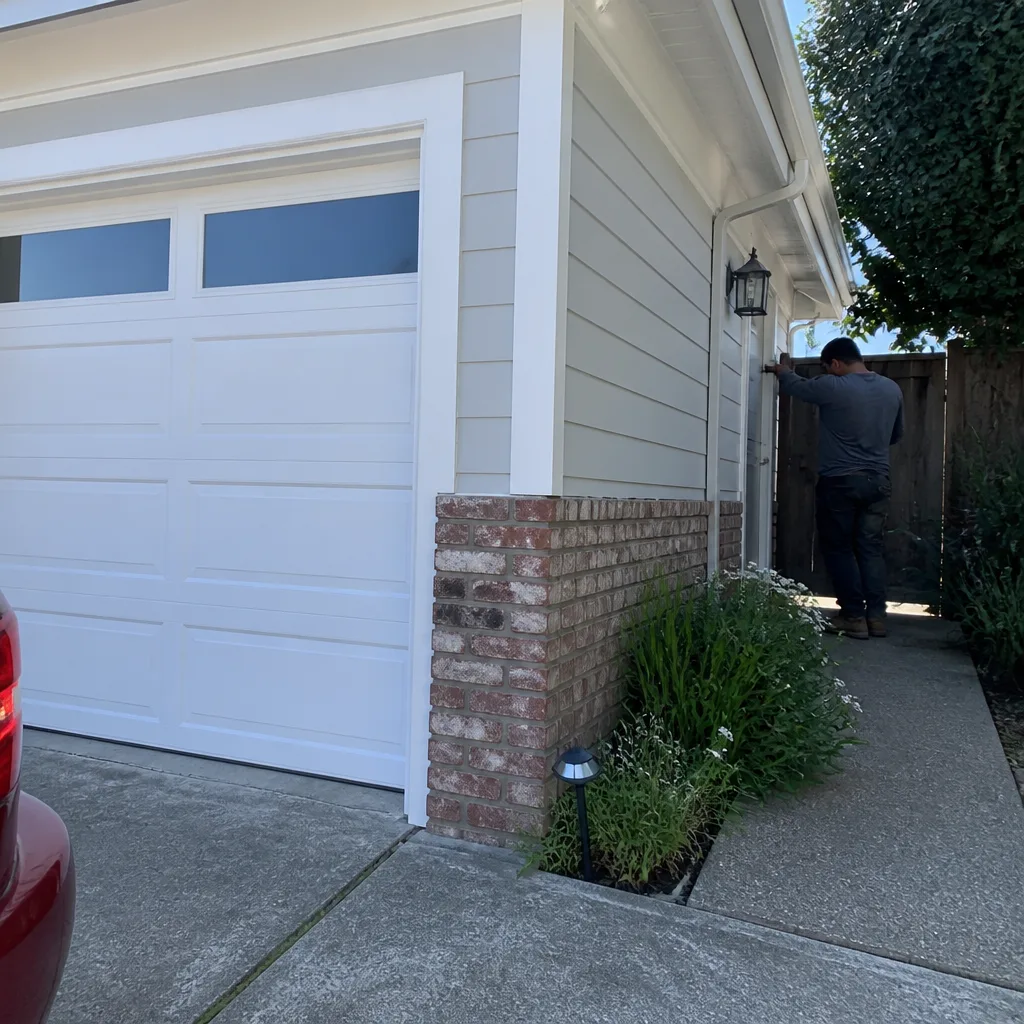 After
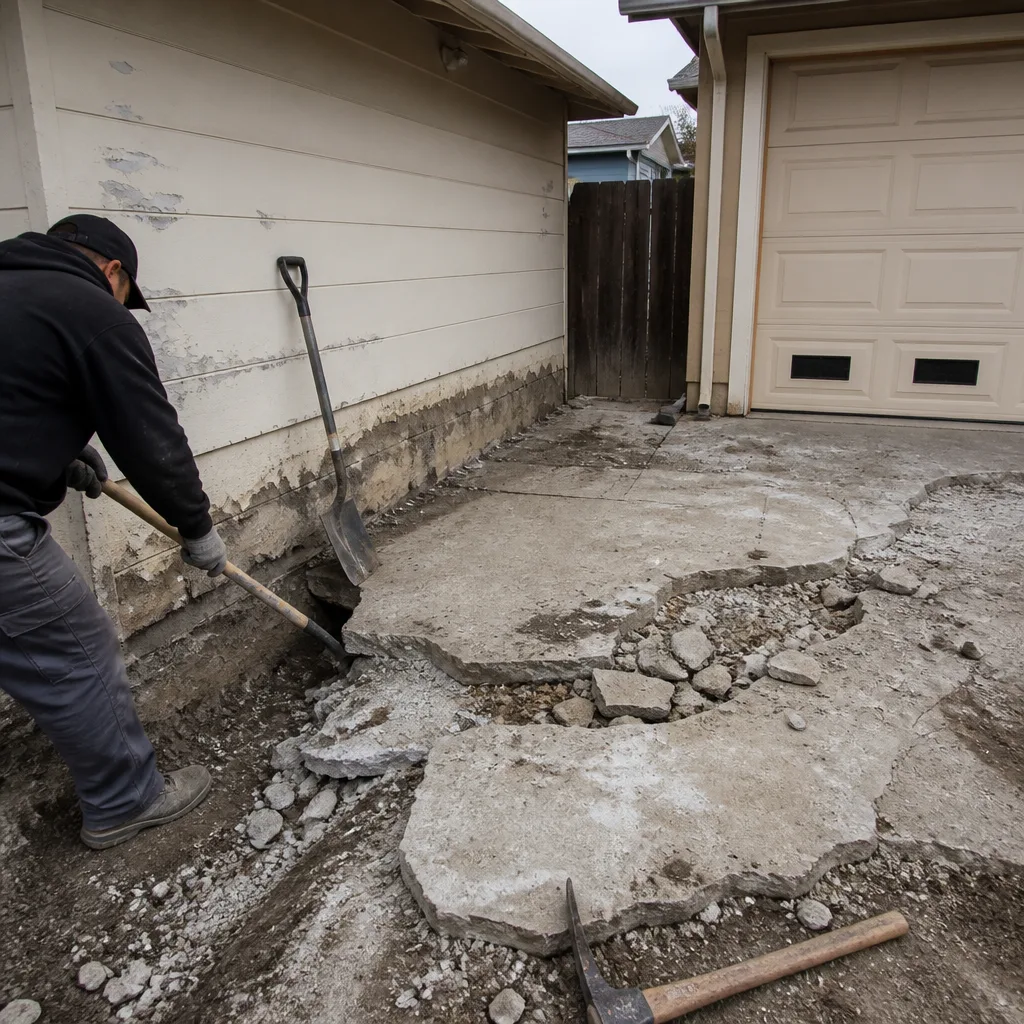 Before
 After
 Before
 After