
Last updated October 30, 2026
 Kitchen remodeling
 Bathroom remodeling
 Home additions & ADU
 Roofing
 Windows & doors
 Driveway & pavers
 Fence
Free written scope consultation - allowances, timeline, and change-order rules on paper before a single trade is scheduled
General Contractor Troubleshooting: Common Problems and How to Fix Them
The most expensive construction mistake isn’t a bad material choice or a change you regret making. It’s continuing to fund a project managed by a general contractor who has already lost control of the schedule and just hasn’t told you yet. We see this pattern repeat across San Bruno, from hillside homes near Crestmoor to older properties south of San Francisco Bay, and it almost always starts the same way: small signs in week one that get explained away. This guide teaches you to read those signals early, understand what they actually mean, and take action before a $12,000 scheduling problem becomes a $60,000 stalled project. You’ll learn how to spot a GC stretched too thin, how draw schedules reveal cash flow trouble, and how the single point-of-contact model used by San Bruno Construction home eliminates the coordination breakdowns that sink most remodels.
Quick Answer
Most general contractor problems trace back to three root causes: the GC took on too many projects, the draw schedule doesn’t match actual work progress, or there’s no clear chain of command when subcontractors raise concerns. Fix these early by asking direct questions about workload, reviewing payment schedules line-by-line, and establishing a single decision-maker before demolition starts. Catching these issues in week one prevents the expensive stall-outs that occur when a contractor loses control of the job at week six.
Styles & brands we work with
Table of Contents
- How to Spot a GC Who’s Overextended Across Too Many Projects
- Reading the Draw Schedule: Cash Flow Problems Before They Stall Your Job
- When a Subcontractor Contradicts Your GC: The Chain-of-Command Fix
- California CSLB Complaints: When to File and What Actually Gets Resolved
- Why a Single Point-of-Contact GC Model Prevents Most Breakdowns
- Material Selection Conflicts: When Brand Choice Becomes a Battle
- Scope Creep and Change Orders: Spotting the Warning Language
- Setting Communication Protocols That Keep a Project on Track
How to Spot a GC Who’s Overextended Across Too Many Projects
A general contractor running three kitchen remodels, two bathroom renovations, and a whole-home addition simultaneously cannot give your project the attention it needs. The problem isn’t ambition; it’s physics. There are only so many mornings a person can walk job sites, coordinate material deliveries, and answer homeowner calls. When a GC crosses that threshold, the first casualty is communication. Weeks go silent. Subcontractors show up without the GC present. Decisions that should take a day take two weeks.
Here’s what we’ve learned watching this repeat across San Bruno and the broader Peninsula market: overextended contractors telegraph their situation early, but homeowners rarely know what to look for. The three earliest warning signs are subtle enough to miss if you’re not watching for them specifically.
- The GC stops taking your calls during business hours. You call at 10:00 AM on a Tuesday and get voicemail. You call back at 2:00 PM. Voicemail again. You get a text at 7:30 PM apologizing and saying they were “on-site all day.” Once is understandable. Twice in the same week is a pattern. A GC who can’t answer during working hours is managing too many active sites.
- Subcontractors arrive without a GC briefing. The electrician shows up, walks the site with you, and asks questions that suggest he hasn’t spoken with your GC in over a week. He’s working from plans that were updated two revisions ago. A properly managed job has the GC on-site or on the phone with subs the morning they start work.
- Material delivery dates slip without proactive communication. You were told cabinets would arrive the first week of March. It’s March 8th and you haven’t heard a word. You call and learn the order was placed two weeks late. An organized GC flags delivery slips before you notice them. A drowning GC hopes you won’t.
What should you ask when any of these signs appear? Direct questions: “How many active projects are you managing right now?” “How many of those are in construction phase versus planning phase?” “Who covers my job when you’re tied up on another site?” A confident contractor answers these without hesitation. One who’s overextended gets defensive, vague, or dismissive. That response is your answer.
In our experience running full-scope remodels from San Bruno through the South Bay, we’ve found the sweet spot for a residential GC is two to three active construction projects at once, with planning-phase work filling the gaps. More than that and the homeowners on job four start paying the price for jobs one, two, and three.
Reading the Draw Schedule: Cash Flow Problems Before They Stall Your Job
The draw schedule is the single most revealing document in your construction contract, and most homeowners never read it carefully. It tells you exactly when the GC expects to receive money, how much, and for what work. When a contractor is undercapitalized, the draw schedule is where they hide it. A healthy draw schedule ties payments to completed milestones. A desperate draw schedule front-loads money into early stages while the work is still cheap to perform.
Here’s what a problematic draw schedule looks like:
- 35% or more due at contract signing or before demolition starts. A 10% to 20% deposit is normal for the mobilization phase: permits pulled, dumpster delivered, materials ordered. More than 30% upfront suggests the GC needs your money to pay for someone else’s job.
- Large draws scheduled for stages early in the timeline. If demolition and framing represent 50% of the total project value, but the work takes only three weeks of an eight-month renovation, the schedule is front-loaded. You’re paying for future work with present money.
- Vague milestone descriptions. “Phase 2: 15%” tells you nothing. A specific milestone says “Rough electrical and rough plumbing complete, inspection passed: 20%.” Vague language is a red flag that the GC wants flexibility to ask for money when cash runs low rather than when work is done.
- No provision for retainage. Retainage is the 5% to 10% held until final walkthrough and punch-list completion. Contractors who resist retainage are planning for the possibility that they’ll need to walk away without finishing the details.
What does a healthy draw schedule look like? For a major remodel in San Bruno, the structure should look something like this:
- 5% to 10% at contract signing (mobilization and permit fees)
- 15% to 20% at demolition and rough framing completion
- 25% to 30% at mechanical rough-in completion (rough electrical, plumbing, HVAC passed inspection)
- 15% to 20% at drywall, paint, and finish carpentry
- 15% to 20% at fixture installation and flooring
- 5% to 10% retained until final walkthrough and punch list is resolved
If your contractor is asking for 40% before a single wall has been opened, ask why. If the answer involves “material costs are up” or “we need to lock in pricing,” remind them that your deposit already covers order placement. Material costs are paid by the GC at time of order, and legitimate suppliers don’t require full prepayment for standard items like cabinetry, tile, or fixtures. A GC who can’t cover a $15,000 cabinet order without your check clearing first is running on your credit.
One more sign to watch: draw requests that arrive early. Your contract says the next payment is due at rough electrical inspection. The inspector comes Monday, passes the work on Tuesday, and the GC emails you Wednesday asking for the draw. That’s fine. But if the GC starts asking about the draw the week before the inspection is even scheduled, they’re planning their cash flow around your check, not around completed work. That’s the early warning sign of a GC about to stall your project when cash from another job doesn’t arrive as expected.
When a Subcontractor Contradicts Your GC: The Chain-of-Command Fix
This is the scenario that derails more remodels than any material issue: You’re walking your San Bruno home with the tile setter, and he casually mentions that the waterproofing membrane specified in the plans isn’t the right product for the shower pan you’re building. Your GC told you three weeks ago that the specified membrane was fine, and he’s been using it on his projects for years. Now you have a subcontractor, on your property, telling you something that contradicts what the person you hired and trust told you.
The instinct is to call your GC immediately and demand an explanation. The better approach is to handle this carefully, because how you manage this moment determines whether the subcontractor feels comfortable raising future concerns. And you want subcontractors raising concerns. A quiet jobsite is not a good jobsite. A quiet jobsite means problems are being buried, and you won’t find them until the warranty period has expired.
Here’s the step-by-step for handling a subcontractor contradiction:
- Don’t resolve it in the moment. Thank the subcontractor for flagging the concern. Tell them you appreciate them bringing it to your attention. Do not ask them to proceed with a alternative approach and do not agree with their assessment in front of the crew. You need time to verify the facts.
- Document what was said. Write down the date, the subcontractor’s name, the specific concern, and what part of the project it involves. If the sub is willing, ask them to text or email you the same information so there’s a written record. Most will be happy to do this if you frame it as “I want to make sure I represent your concern accurately.”
- Call your GC the next business day. Not from the job site. Not in front of other people. A calm, private conversation. Explain what the subcontractor said and ask for the GC’s position. Use neutral language: “Miguel raised a concern about the waterproofing membrane. Can you walk me through why the specified product is the right choice for this application?”
- Evaluate the answer. A good GC responds with specific technical reasoning, not defensiveness. They might say: “Miguel’s concern is fair. The specified membrane is rated for this application, but Miguel uses a different product from his usual supplier. I’ll talk with him today and we’ll get on the same page.” A defensive GC dismisses the concern: “Miguel doesn’t know what he’s talking about. I’ve built fifty showers with this membrane.” Dismissal without technical explanation is a red flag.
- If the concern is valid, get a written change order or correction. You want the resolution documented. No verbal agreements about material changes, ever. A one-paragraph written confirmation protects you if something fails later.
Why is this process so important? Because the alternative, where you side with the subcontractor against your GC in the moment, creates a mess of divided loyalties. The GC feels undermined. The sub feels empowered to direct their own work. You become the project coordinator you never wanted to be. When we work on Home Remodeling in Santa Cruz projects, we establish a single chain of command before construction starts: subs report to us, we report to the owner, and any concerns a sub raises privately get resolved privately with our client. That clarity keeps technical disagreements from becoming relationship problems.
California CSLB Complaints: When to File and What Actually Gets Resolved
The California Contractors State License Board exists to protect homeowners, but it’s not a construction court. Understanding what the CSLB can and cannot do will save you from filing a complaint that wastes months and resolves nothing. This is particularly relevant for San Bruno homeowners, since California licensing requirements are stricter than most states and the CSLB has real enforcement teeth.
What the CSLB can do: investigate complaints about unlicensed contracting, abandonment of a project, failure to pay subcontractors, deposits taken without work performed, poor workmanship that violates code, and contract violations. If the investigation finds merit, the CSLB can suspend or revoke a contractor’s license, issue citations with fines, and in some cases order restitution from the contractor’s bond.
What the CSLB cannot do: order a contractor to return to your home and fix the problem, require a contractor to refund your money directly, resolve disputes about contract interpretation, or provide legal advice. The CSLB is an enforcement agency, not a mediation service.
When is a CSLB complaint worth filing?
- Abandonment. The contractor stopped showing up, stopped returning calls, and work is incomplete. This is the most clear-cut CSLB complaint and the one they pursue most aggressively.
- Unlicensed activity. You hired someone who claimed to be licensed, but a license check at cslb.ca.gov shows no record. This is a criminal violation in California, and the CSLB investigates these cases proactively.
- Fraud or misrepresentation. The contractor took money for materials that were never ordered, or told you permits weren’t needed when they clearly were. Documented fraud is a serious CSLB action item.
- Failure to pay subcontractors. You paid the GC, the GC didn’t pay the sub, and now the sub has filed a mechanics lien against your property. The CSLB takes sub payment failures seriously because they create liability for homeowners.
When is a CSLB complaint NOT worth the time? If the dispute is a disagreement about the quality of workmanship that’s still accessible and fixable, your first move is documented communication with the contractor requesting correction. If that fails, you have options: construction defect mediation, small claims court for amounts under $10,000, or civil litigation for larger disputes. The CSLB complaint should run in parallel or after these efforts, not before them, unless the contractor has disappeared entirely.
One more critical note: before you hire any contractor in California, run their license number through the CSLB license check. Verify the license is active, check the workers’ compensation insurance status, and look at the complaint history. A contractor with a clean CSLB record, proper workers’ comp insurance, and verifiable insurance certificates is already ahead of 30% of the market in San Bruno and surrounding Bay Area cities. For a deeper dive, see our guide on How to Hire a Construction Contractor in San Bruno: A Step-by-Step Guide.
Why a Single Point-of-Contact GC Model Prevents Most Breakdowns
Most general contractor horror stories aren’t about bad craftsmanship. They’re about coordination failure. The electrician shows up before the drywall is hung. The cabinet delivery arrives on a Tuesday but the install crew was scheduled for the following Monday, so the cabinets sit in your garage for a week. The plumber needs a wall moved and the GC hasn’t told the framing crew. Each of these is a $500 to $2,000 problem on its own. Multiplied across eight months of construction, coordination failure becomes a five-figure line item that no line item in your contract ever identified.
The traditional multi-vendor model, where a homeowner hires a GC for structural work, a kitchen designer for the kitchen, a separate contractor for the bathroom, and maybe a handyman for the punch list, creates these failures structurally. There’s no single person who owns the entire sequence of work. Every vendor is responsible for their piece, and the gaps between pieces belong to no one.
The single point-of-contact general contractor model is the structural fix. One GC owns the schedule, the subs, the material deliveries, and the communication. When the electrician needs the framing adjusted, the GC handles it before you ever hear about it. When cabinet delivery slips a week, the GC shifts the install crew’s schedule and tells you what changed and why. When the tile setter raises a concern about waterproofing, the GC resolves it privately with their sub and comes to you with a recommendation, not a conflict.
Does this model cost more? Not necessarily, and often less. Yes, a full-scope GC charges a markup on the trades they coordinate. But that markup buys you the elimination of gaps: no extended dumpster rental because work stalled for three weeks, no premium pricing for expedited materials ordered at the last minute, no paying a sub to show up twice because the site wasn’t ready the first time. These hidden costs of the multi-vendor model routinely exceed any GC markup, and they arrive as surprises. The single point-of-contact model prices coordination once, upfront, and you never think about it again.
Here in San Bruno, where homes range from 1950s ranchers with outdated layouts to newer hillside builds, coordination complexity varies wildly. An older home renovation often uncovers structural surprises behind the walls: outdated wiring, plumbing that predates modern code, framing that was never properly anchored. Each surprise requires a decision and a sub recalibration. A single point-of-contact GC handles these discoveries without drama. A homeowner juggling five vendors handles them as five separate crises. The difference shows up in your stress level and in the final price.
Material Selection Conflicts: When Brand Choice Becomes a Battle
Here’s a scenario we’ve watched play out more times than we can count: a homeowner hires a GC, gets bids for the kitchen remodel, and then discovers the GC’s bid specifies a brand of cabinetry or countertops the homeowner has never heard of. The GC says it’s what he uses. The homeowner wants something different. What starts as a mild disagreement becomes a friction point that poisons the entire project relationship, because both people are now negotiating from positions of distrust: the homeowner thinks the GC is pushing cheap materials to pad margin, and the GC thinks the homeowner is changing scope before construction even starts.
The issue in most of these conflicts isn’t quality or price. It’s trust. The homeowner doesn’t trust the GC’s material choice because they haven’t seen evidence of why that choice was made. The fix is a selection process that provides options and transparency before the contract is signed.
A structured material selection process includes:
- Three options per material category. For countertops, present a mid-range option, a premium option, and make sure each has visible price deltas so the homeowner sees exactly what each tier costs.
- Supplier or brand documentation. The homeowner should see product data sheets, not just a name on a bid. If the bid says “Caesarstone,” the homeowner should know which line, what thickness, and what the warranty covers.
- Allowance breakdowns. Plumbing fixtures should have itemized allowances: $400 for a kitchen faucet, $850 for a shower system, $350 per sink. Without line-item allowances, the homeowner can’t tell whether they’re getting Kohler quality or builder-grade product.
- Substitution protocol. A clear process for what happens if the homeowner wants to upgrade: who prices the upgrade, who places the order, and how lead times change. The protocol should be written into the contract, not negotiated mid-project.
San Bruno Construction’s approach to this problem comes from observing years of material-selection conflicts across Bay Area projects. We represent 50+ vetted brand lines, including options like Therma-Tru for entry doors, ECO Window Systems for coastal-adjacent projects that need serious wind ratings, and ES Windows for high-end glazing. A homeowner working with us isn’t locked into whatever product we happen to prefer. They choose from real options with documented pricing deltas, and the choice is theirs. This eliminates the material-selection battle before it starts.
The takeaway: if your GC can’t or won’t show you a material selection process with options, expect conflict later. The battle over a faucet brand is never about the faucet. It’s about whether the GC respects your right to choose. That respect should be established in week one, not negotiated in week twelve.
Scope Creep and Change Orders: Spotting the Warning Language
Change orders are where good contractor relationships go to die. The process seems straightforward: you want something different, the GC prices the change, you sign a piece of paper, work continues. But the language and timing of change orders reveals whether your GC is managing scope responsibly or using change orders as a revenue stream.
The warning signs to watch for:
- “We’ll sort it out later.” If your GC says this about a change you requested, you’re being set up for a surprise invoice. The change should be priced in writing before any work on it begins. Sorting it out later means the GC controls the information asymmetry: they know the cost, you don’t, and you’ve already accepted the work.
- Change orders that arrive bundled with other work. You asked about moving a light fixture, and suddenly there’s a $2,300 change order that includes moving the fixture, relocating a junction box, and adding a dimmer switch. Each item on a change order should be line-item priced. Bundling lets a GC hide inflated costs on individual items.
- Verbal approval requests. “Do you want us to go ahead and run the line for the double oven while we’re in the wall?” You say sure, thinking it’s included. It’s not. It’s a change order arriving next week. The fix is simple: every change, no matter how small, in writing, priced, and approved before work starts.
- Change orders that never match the original scope language. Your original contract specified a specific brand and model for the bathroom vanity. The change order swaps in a different model without explaining why, and the price is the same. That’s a substitution disguised as a change, and you should push back.
- Client requests a change or a site discovery demands one.
- We inspect the conditions, talk with the relevant sub, and price the change accurately.
- The change order is written with line-item costs, including labor, materials, and GC markup.
- The client reviews, asks questions, and signs before any work on the change begins.
- The change order is added to a running change-order log that both parties can see at any time.
- Channel. One primary channel for all project communication. Text for urgent matters, email for decisions and documentation, a scheduled weekly call for planning. Multiple channels create dropped messages. Pick one and stick with it.
- Response time. Define what “timely” means. A reasonable protocol: texts returned within four business hours, emails answered within one business day, and a scheduled check-in call every Friday. Write these expectations into the contract if possible.
- Decision turnaround. The GC should tell you what decisions are coming and when they need answers. A materials-selection calendar prevents delays caused by homeowners needing two weeks to pick tile when the tile setter starts in ten days.
- Change order process. Covered in the section above, but worth restating: every change goes through the written process, no exceptions, no matter how small.
- Escalation path. What happens if the GC doesn’t respond within the agreed timeframe? A defined escalation process removes emotion from the follow-up. “If I don’t respond within one business day, call the office line directly and ask for the project manager assigned to your account.”
How should a responsible GC handle changes? Here’s the process we use on Home Renovation in Santa Cruz projects and San Bruno work alike:
That log matters. Without it, homeowners lose track of how changes are accumulating, and the final invoice becomes a shock. With a running log, you always know where your project budget stands. If your GC resists maintaining a change-order log, that’s another signal about how they’ll handle surprises later.
Setting Communication Protocols That Keep a Project on Track
Most GC communication failures aren’t failures of effort; they’re failures of structure. The GC is working, the subs are working, but nobody has defined how information should flow. The homeowner sends a text at 9 PM about a flooring question. The GC reads it, makes a mental note, and forgets it by morning. The flooring decision waits. The sub shows up, can’t proceed, and charges for a lost day. The problem compounds.
The fix is a communication protocol established before construction starts. It should cover these specifics:
When we run projects through San Bruno Construction, we set these protocols on day one and document them in the project’s shared file. You can find more guides & resources on our blog. The homeowner always knows who to contact, how quickly to expect a response, and what decisions are coming up. This structure removes the anxiety that fuels most GC-client conflicts.
One more note on communication: the homeowner’s side matters too. If your GC schedules a weekly call and you miss it three weeks in a row, you’re contributing to the breakdown. The protocol works both ways. Homeowners who engage with the process get better results than those who disappear for weeks and then return with a list of changes.
Common Mistakes to Avoid
- Hiring the low bid without investigating why it’s low. A bid that’s 20% below the others usually means something is missing: permits, workers’ comp insurance, or a realistic material allowance. Ask for line-by-line comparisons before deciding.
- Paying large upfront deposits. California law limits a contractor’s deposit to 10% of the project cost or $1,000, whichever is less. If your GC asks for more, they’re either uninformed or hoping you are.
- Skipping the license check. Running the CSLB license lookup takes five minutes and costs nothing. Skipping it can cost you your entire project budget if an unlicensed contractor causes damage your insurance won’t cover.
- Making verbal changes. “Sure, let’s move that wall” costs real money to implement. Every change goes in writing, priced, and signed before the hammer swings.
- Letting small concerns fester. That wiring concern you noticed in week two will be harder and more expensive to fix after drywall goes up in week six. Raise concerns immediately, in writing, and request a written response.
- Hiring per-trade vendors to save on GC markup. The multi-vendor model saves the markup and spends it on coordination failures, scheduling gaps, and unclaimed responsibility. One GC one contract one point of accountability is the expensive-sounding option that saves money.
- Accepting vague milestone descriptions. “Phase 3: 20%” isn’t a milestone; it’s an invoice waiting to happen. Every draw should be tied to specific, inspectable work.
See the difference
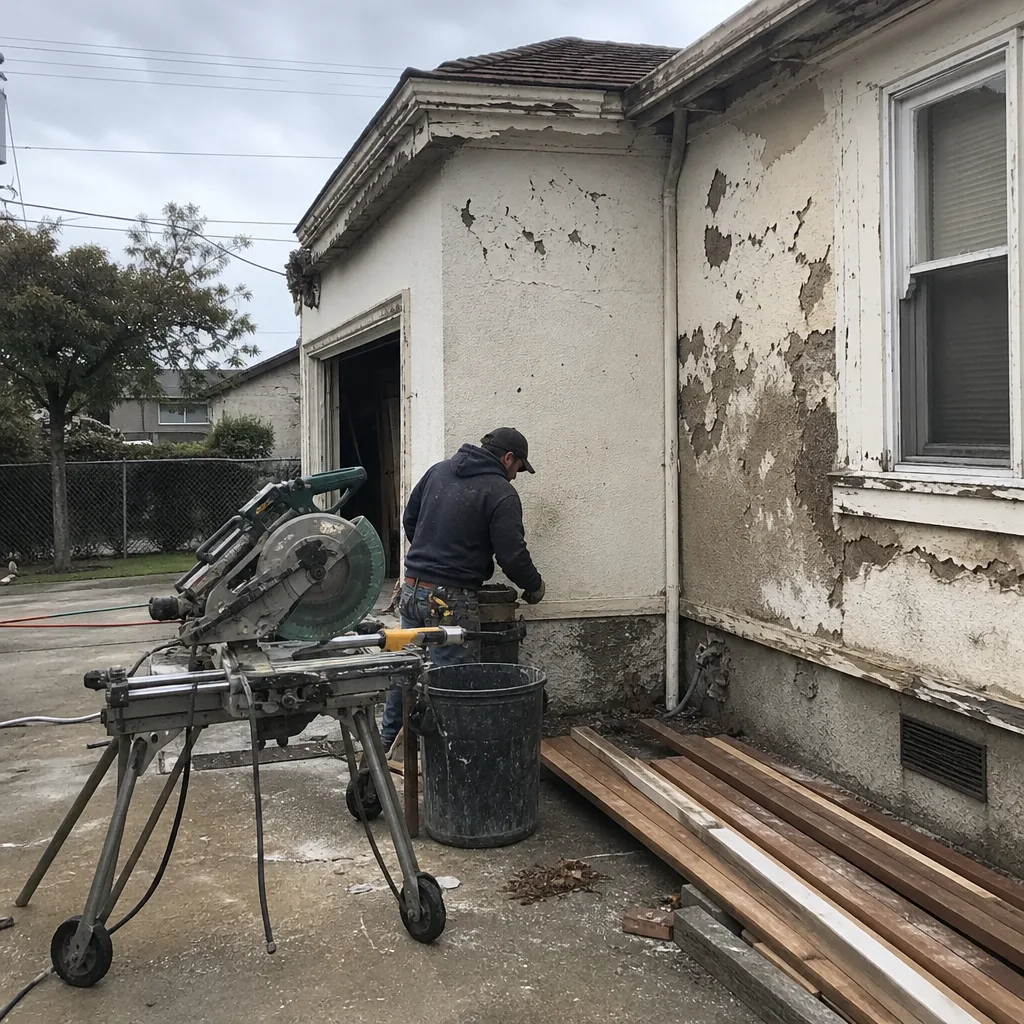 Before
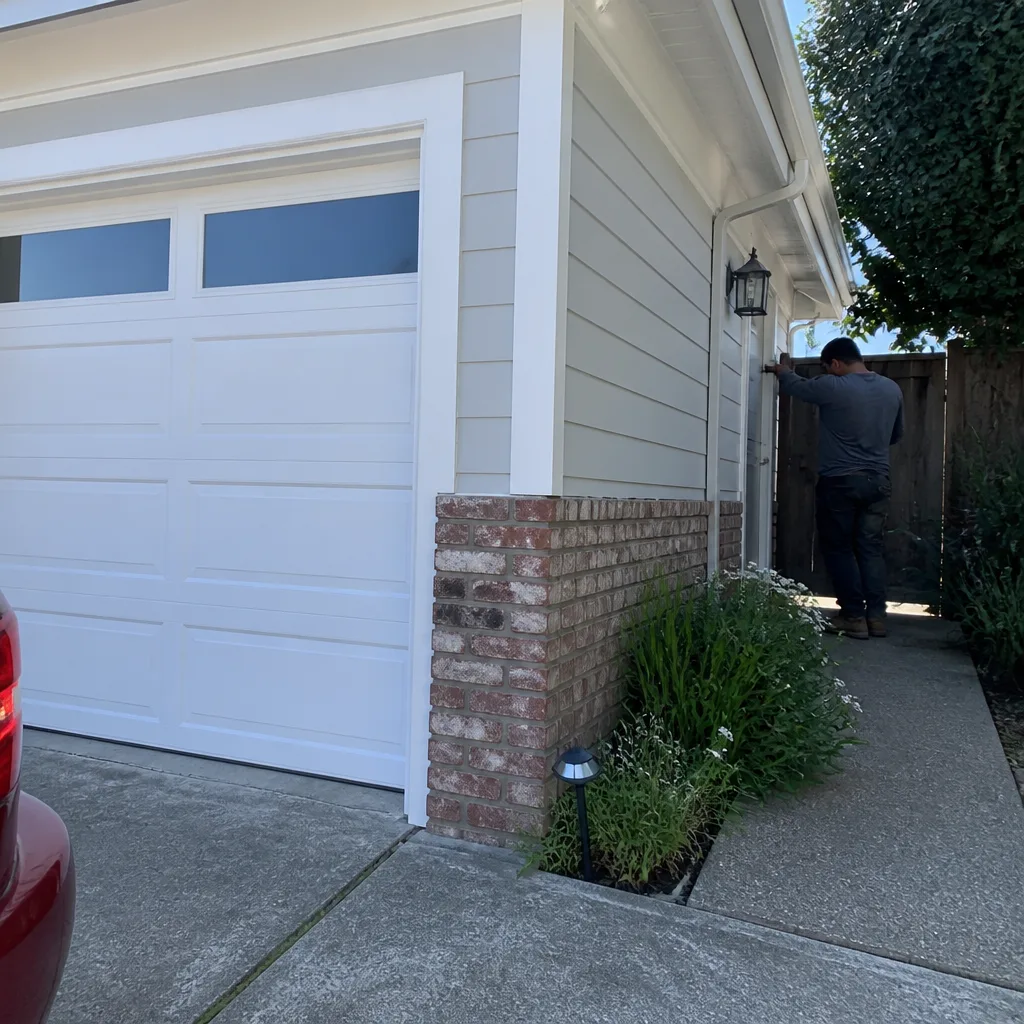 After
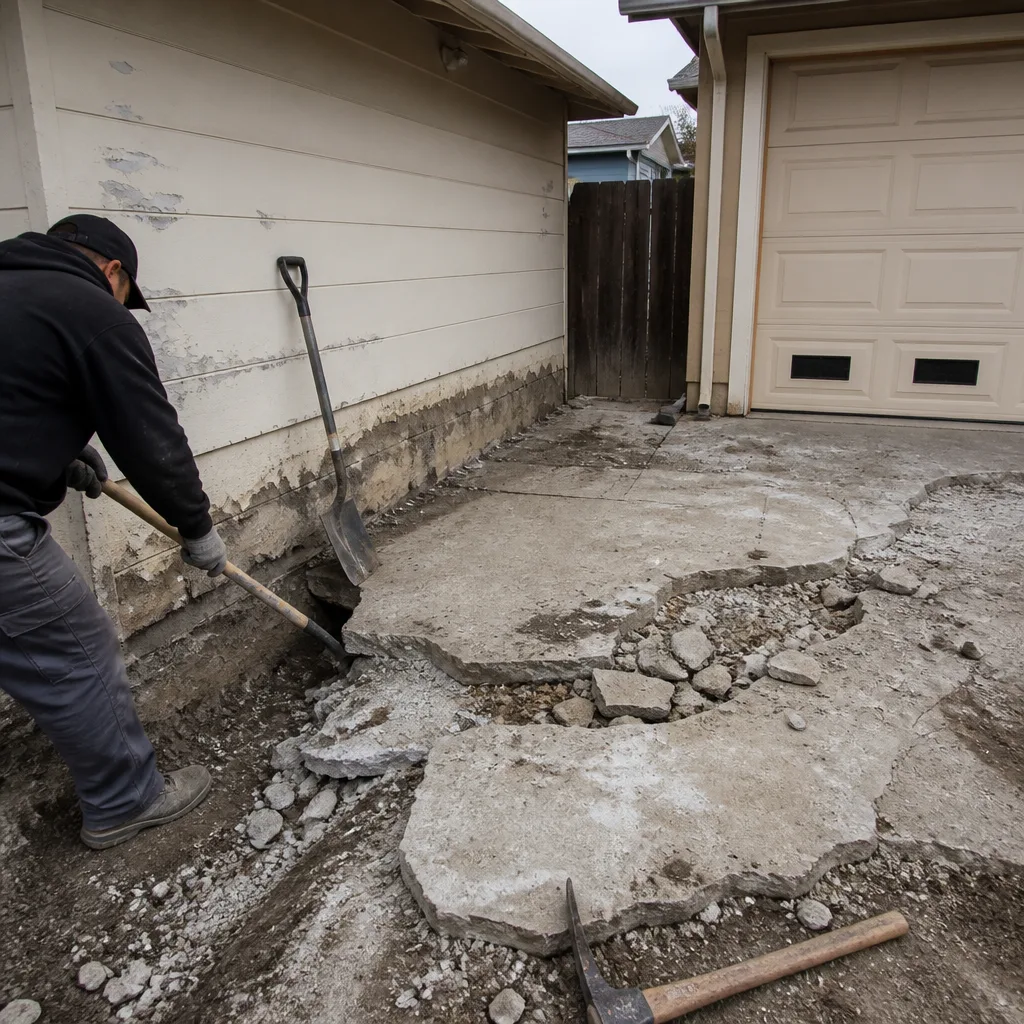 Before
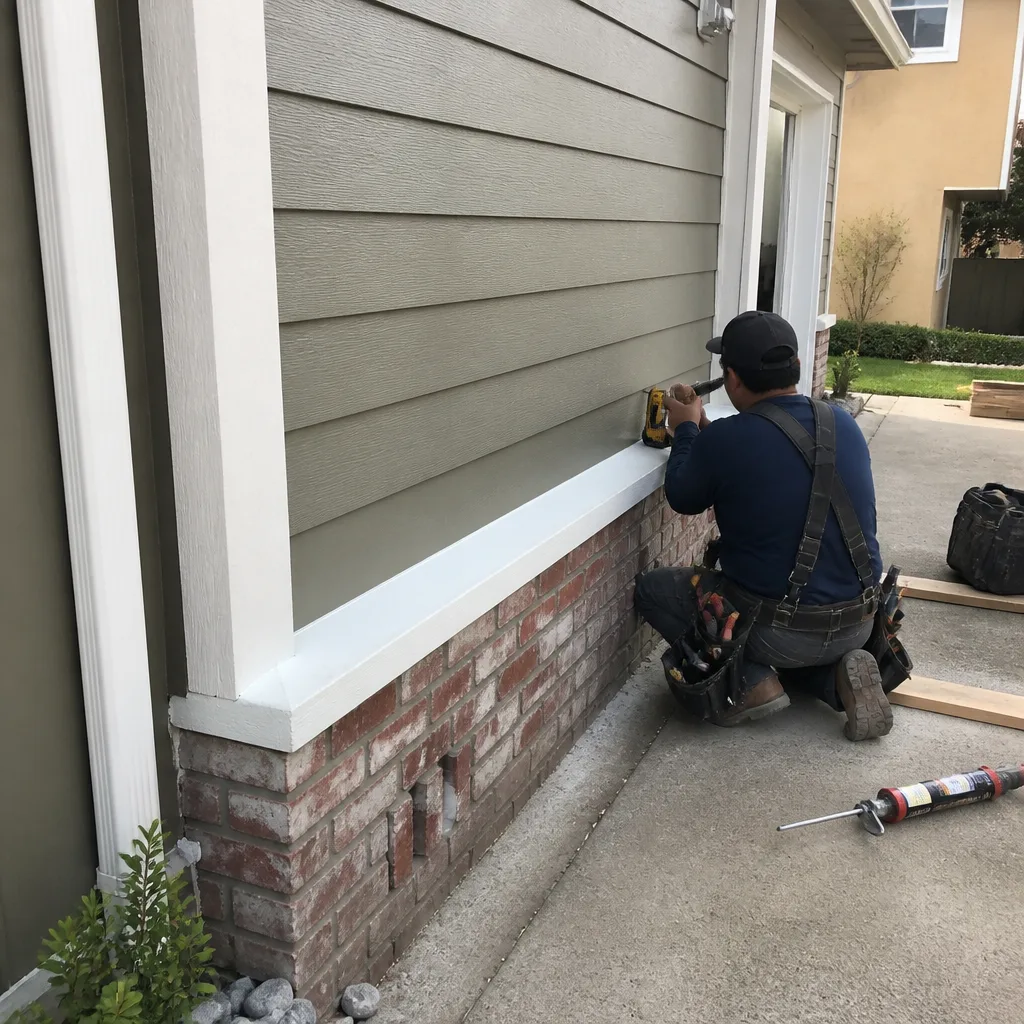 After
 Before
 After
When to Call a Professional
You should call a professional general contractor when you’re facing any project involving structural changes, plumbing or electrical relocation, load-bearing wall modifications, or work requiring permits and inspections. The San Bruno Building Division requires permits for most remodeling work, and unpermitted work can complicate future home sales. You should also call a professional when your project involves multiple trades that need coordination: a kitchen remodel with plumbing, electrical, cabinetry, and countertop installation is a coordination challenge, not a DIY weekend. The same goes for a bathroom addition, a whole-home renovation, or an ADU build. San Bruno Construction offers free estimates in San Bruno and surrounding communities, including General Contractor in Santa Cruz service areas. Call (866) 472-1908 to talk through your project scope and get an honest assessment of what it will take.
Frequently Asked Questions
The most common problems are scheduling breakdowns, poor communication, unexpected change order costs, and subcontractor coordination failures. Most of these trace back to a single root cause: the GC managing too many projects simultaneously and losing control of the details on each one. The fix is hiring a GC with a defined project management process and a single point-of-contact structure that prevents these failures structurally.
Request line-item pricing on the original bid and on every change order, and compare against a second or third bid for the same scope. A legitimate GC can explain why their price differs; a GC inflating prices will resist transparency. Watch for bundled change orders, vague milestone descriptions, and material substitutions that don’t match the original scope.
Document everything: dates, attempts to contact, work completed, money paid. Send a written demand letter giving the contractor a reasonable deadline to resume work or return to resolve the situation. If the contractor remains unresponsive, file a complaint with the California CSLB and contact a construction attorney to discuss lien rights and recovery options. This is abandonment, and the CSLB takes it seriously.
California law caps contractor deposits at 10% of the project cost or $1,000, whichever is less. Any GC asking for more upfront is violating state law, and that demand alone should disqualify them. Beyond the deposit, payments should follow a draw schedule tied to completed, inspected milestones, never to calendar dates.
A general contractor manages the entire project across all trades: structural work, plumbing, electrical, finishes, and fixtures. A specialty contractor does one trade: a licensed electrician, a licensed plumber, a roofing contractor, or a tile contractor. The GC’s job is coordination, scheduling, and accountability across all the specialty trades. The specialty contractor’s job is their specific trade scope. When you hire per-trade specialists without a GC, you become the coordinator by default.
Start with the CSLB license check at cslb.ca.gov: verify the license is active, check for workers’ comp insurance, and review the complaint history. Then check references from projects completed in the last 12 months, not projects from five years ago. Ask to visit a current job site or speak with a current client. A contractor who won’t provide recent references or allow a site visit should be removed from your list.
The Bottom Line
General contractor problems follow a pattern. They rarely appear as sudden crises; they arrive as small warning signs in the early weeks that get explained away. The contractor who stops answering calls during business hours, whose draw schedule front-loads payments, whose subcontractors contradict them on technical details, and who resists written change orders is a contractor already losing control of your project. The fix is structural: hire a single point-of-contact GC with defined communication protocols, a transparent draw schedule tied to inspectable milestones, and a material selection process that gives you real options. For ongoing maintenance advice, see our Seasonal Construction Care for San Bruno: Year-Round Homeowner’s Guide. Ask direct questions in week one. Get every commitment in writing. And if the warning signs appear, act before the problem compounds. Call San Bruno Construction at (866) 472-1908 for a free estimate and a project plan that eliminates these failures before they start.
Written by the team at San Bruno Construction, serving San Bruno since 2016.