
Last updated October 30, 2026
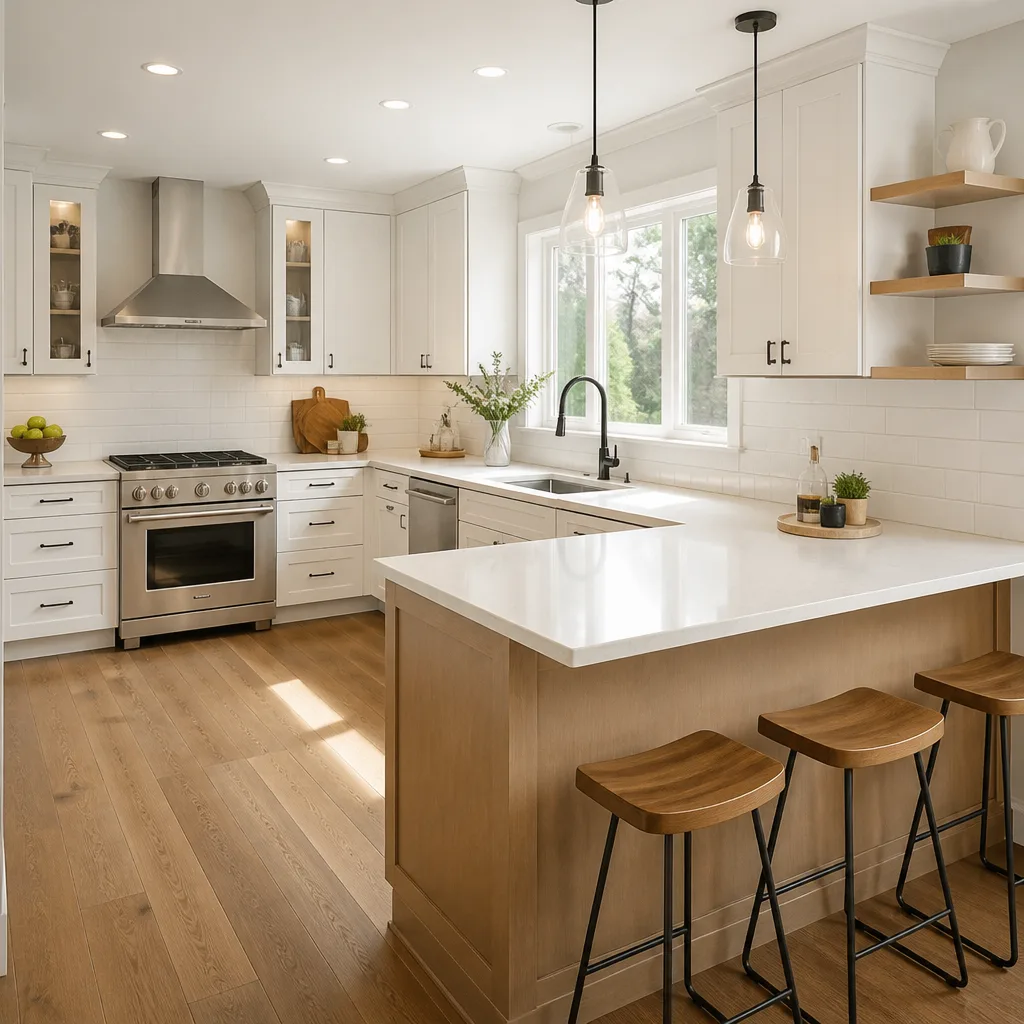 Kitchen remodeling
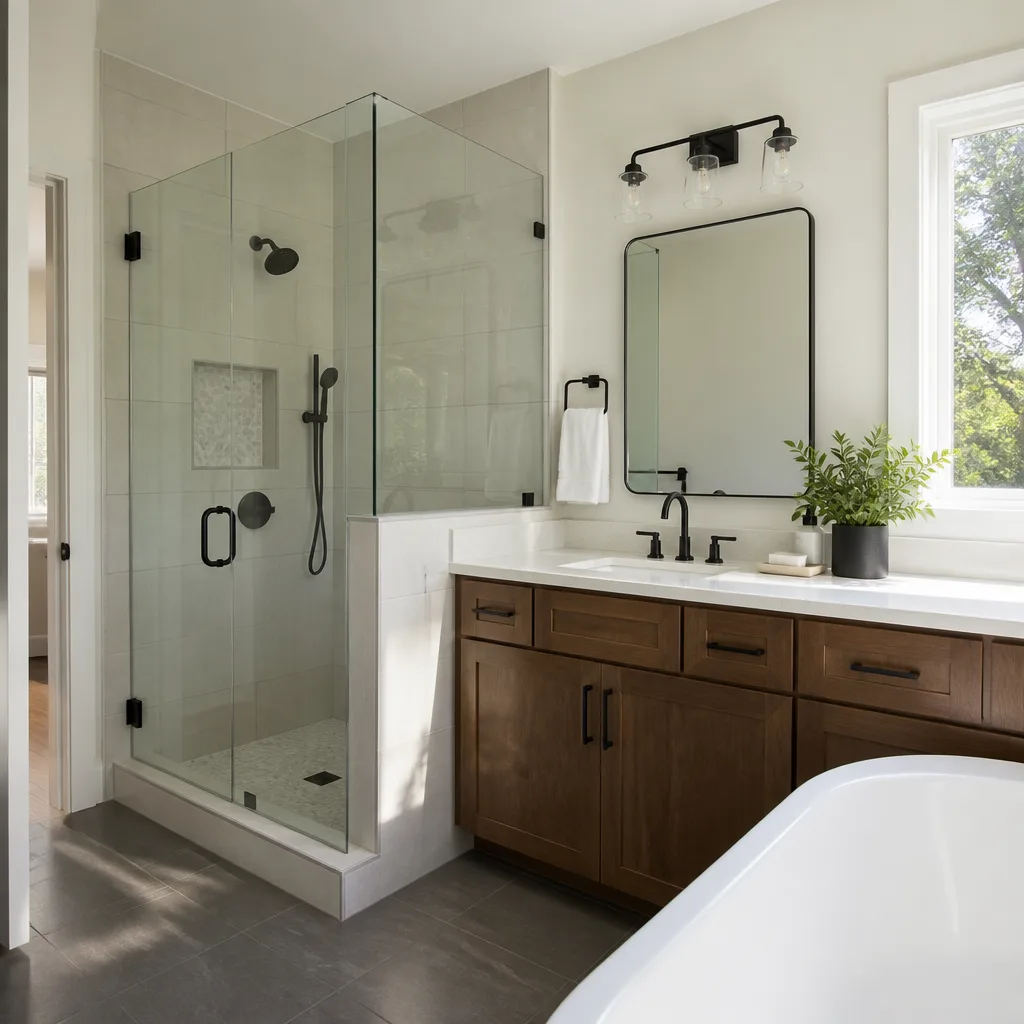 Bathroom remodeling
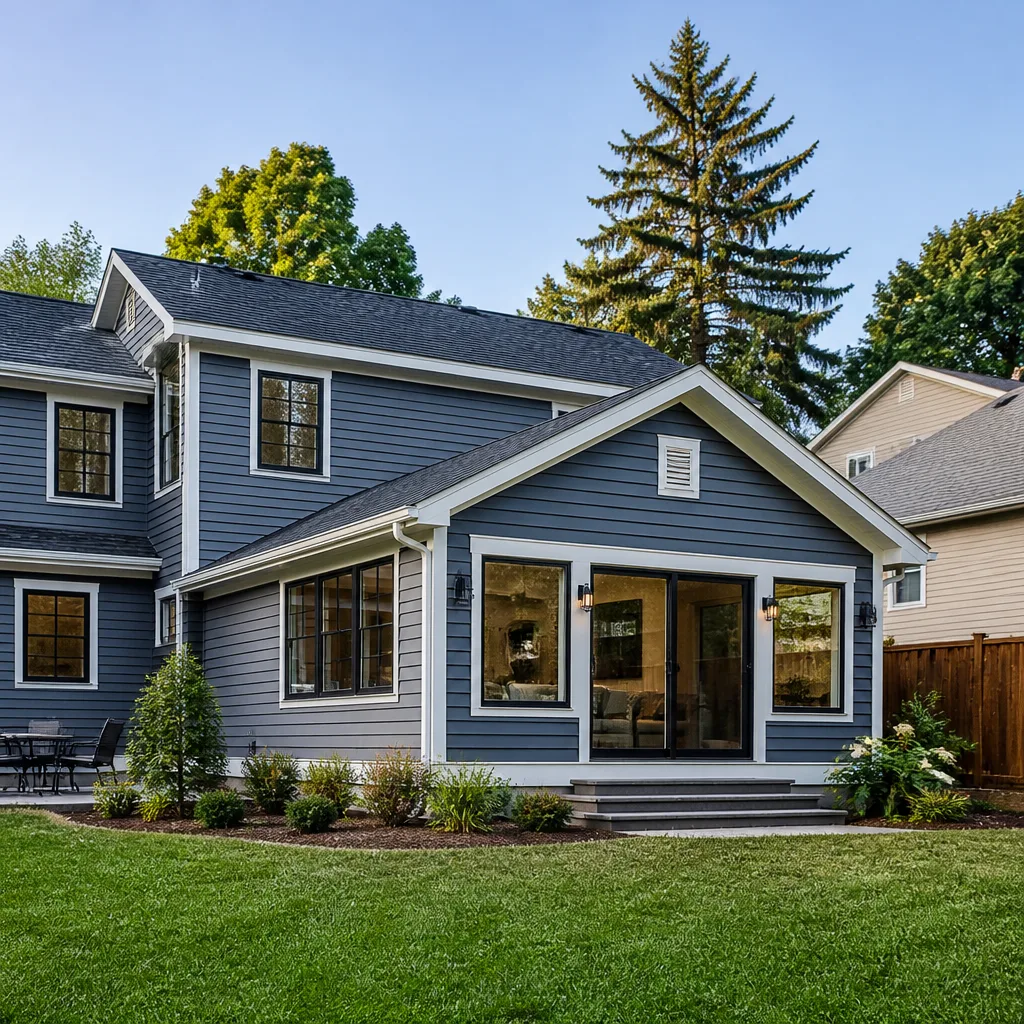 Home additions & ADU
 Roofing
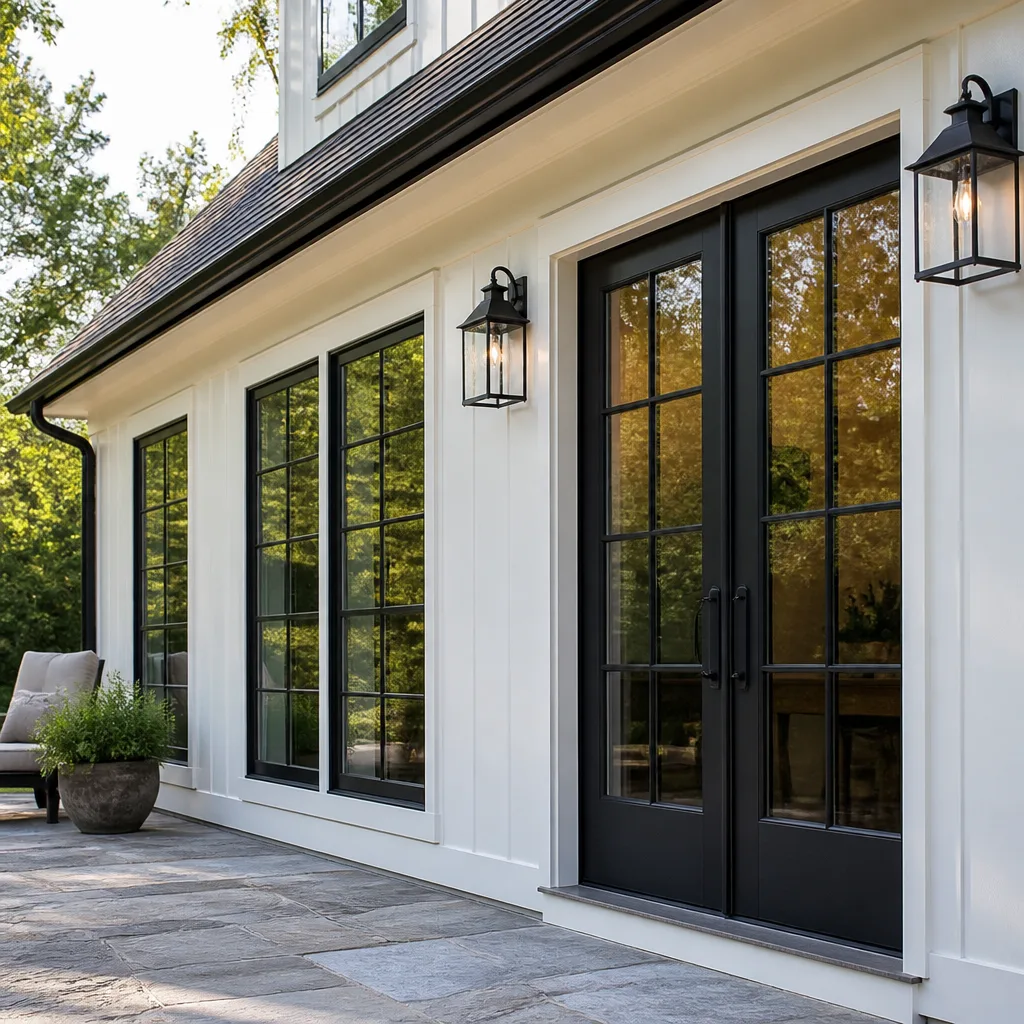 Windows & doors
 Driveway & pavers
 Fence
Free written scope consultation - allowances, timeline, and change-order rules on paper before a single trade is scheduled
Construction Permits, Codes & Inspections in CA: What You Need to Know
Unpermitted work in California doesn’t just create a liability when you sell. It can legally require you to demolish finished construction at your own expense. That’s not a hypothetical. It’s a documented outcome from Bay Area projects where homeowners skipped the permit process, sold the house years later, and watched the new buyer’s inspector flag the addition during escrow. The seller then faced a choice: rip it out or lose the sale. This guide walks you through the permit system as it actually works in San Bruno and the wider Bay Area. You’ll learn which projects legally require permits, which ones don’t, how the inspection sequence runs, what as-built permits are, how Title 24 shapes your material choices, and what to do if a stop-work order lands on your front door. We’re San Bruno Construction home, a general contractor working in San Bruno and across the Bay Area, and we’ve navigated this process on hundreds of residential projects.
Quick Answer
Most structural, electrical, plumbing, and mechanical changes to a California home require a building permit from your local building department. In San Bruno, that’s the San Bruno Building Division. Cosmetic work like painting, flooring, and cabinet refacing is generally exempt. Permits exist to verify that work meets current California Building Code, which includes Title 24 energy standards. The process involves submitting plans, paying fees, passing inspections at defined stages, and receiving final sign-off. Skipping permits risks fines, stop-work orders, and forced demolition of unpermitted construction.
Styles & brands we work with
Table of Contents
- What Requires a Permit in California: The Thresholds That Matter
- What’s Genuinely Exempt: Cosmetic Work That Needs No Permit
- How the San Bruno Building Division Inspection Sequence Works
- As-Built Permits: What They Are and When You Need One
- Title 24 Energy Compliance: How It Shapes Your Material and System Choices
- Stop-Work Orders: What to Do and What Not to Say
- Choosing a Contractor Who Handles Permits Correctly
What Requires a Permit in California: The Thresholds That Matter
The California Building Code (CBC), adopted statewide and amended locally, draws a bright line between work that requires a permit and work that doesn’t. That line is defined by scope, not by cost. A $40,000 kitchen refresh with new floors, refaced cabinets, and paint might need no permit at all. A $3,000 window replacement that changes the rough opening absolutely does. Understanding this distinction before you start is the single most important step in avoiding a stop-work order.
Here are the project categories that legally require a building permit in California:
- Structural changes: Removing or altering load-bearing walls, cutting new door or window openings, changing rooflines, adding beams, or modifying the foundation. Any of these changes how loads transfer through the structure.
- Additions and new structures: Room additions, detached garages, carports, sunrooms, decks over 30 inches above grade, and accessory dwelling units (ADUs). ADUs have their own statewide streamlining rules under California law, but they still require permits.
- Electrical work: New circuits, panel upgrades, rewiring, adding outlets or fixtures to a new circuit, and most work inside the electrical panel. Swapping a like-for-like light fixture or outlet typically doesn’t require a permit, but adding a new circuit does.
- Plumbing work: Moving or adding drain lines, supply lines, water heaters, gas lines, and fixtures that require new rough-in plumbing. Replacing a faucet or toilet without moving the rough-in is exempt.
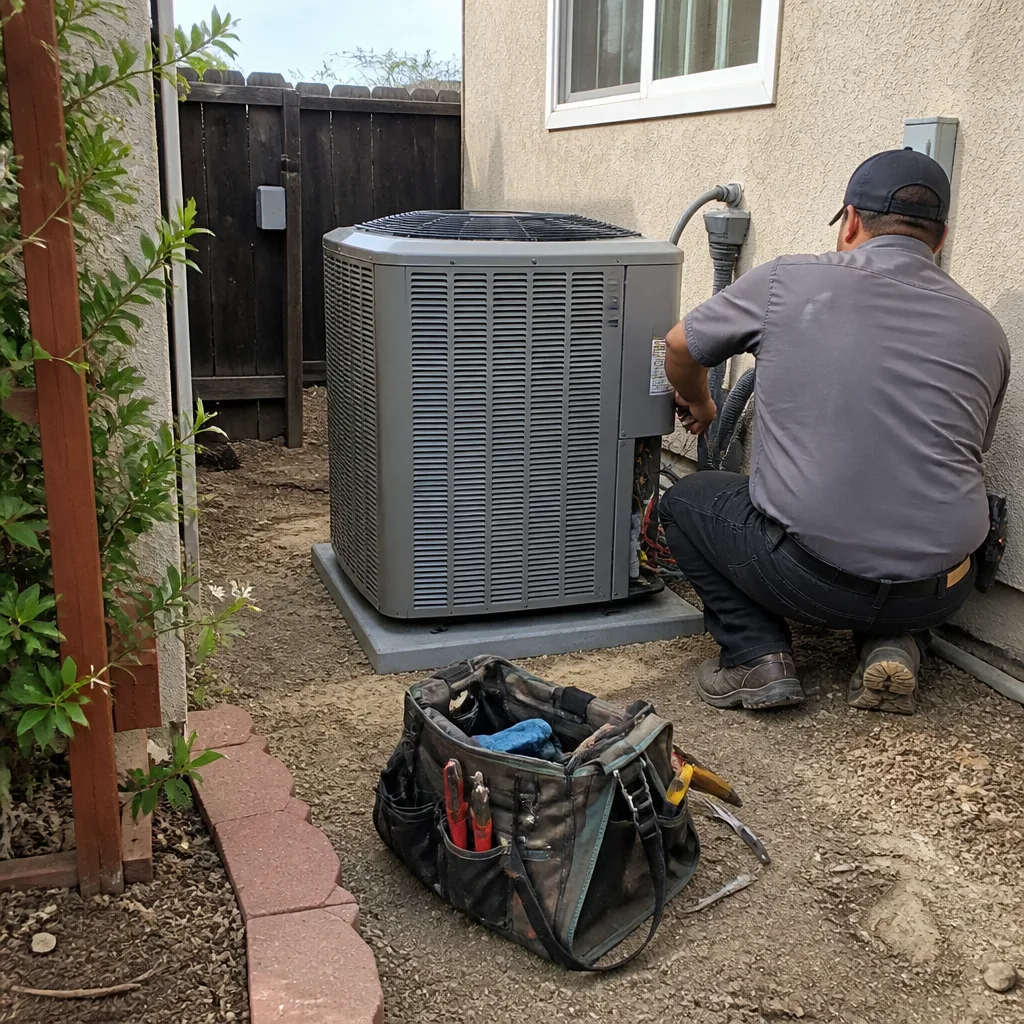
- Mechanical work: Installing, replacing, or relocating HVAC equipment, furnaces, air conditioners, ductwork, and exhaust fans. A like-for-like furnace swap often needs a permit because of combustion safety and Title 24 verification.
- Roofing: Re-roofing projects in California require a permit when the tear-off exceeds a certain area or when structural repairs are required. In San Bruno, a standard re-roof over existing sheathing typically still requires a permit because inspectors need to verify nailing patterns, underlayment, and Title 24 cool-roof requirements.
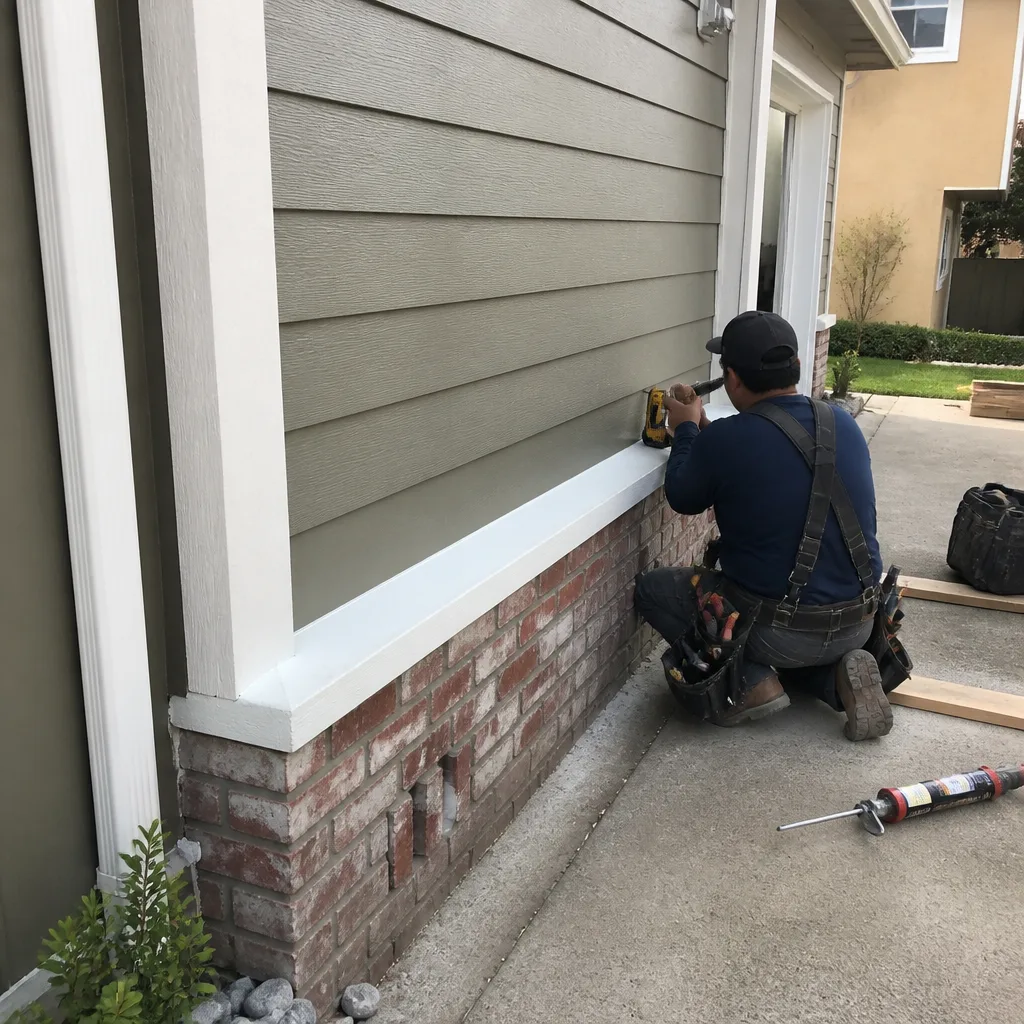
- Windows and doors: Replacing windows or exterior doors requires a permit when the opening size changes. Like-for-like replacement of the same rough opening size often doesn’t, but San Bruno enforces energy code on any window replacement, and some inspectors want a permit regardless to verify Title 24 compliance.
- Fences and retaining walls: Fences over 7 feet tall, retaining walls over 4 feet (measured from the bottom of the footing to the top of the wall), and any retaining wall supporting a surcharge like a driveway or structure require permits.
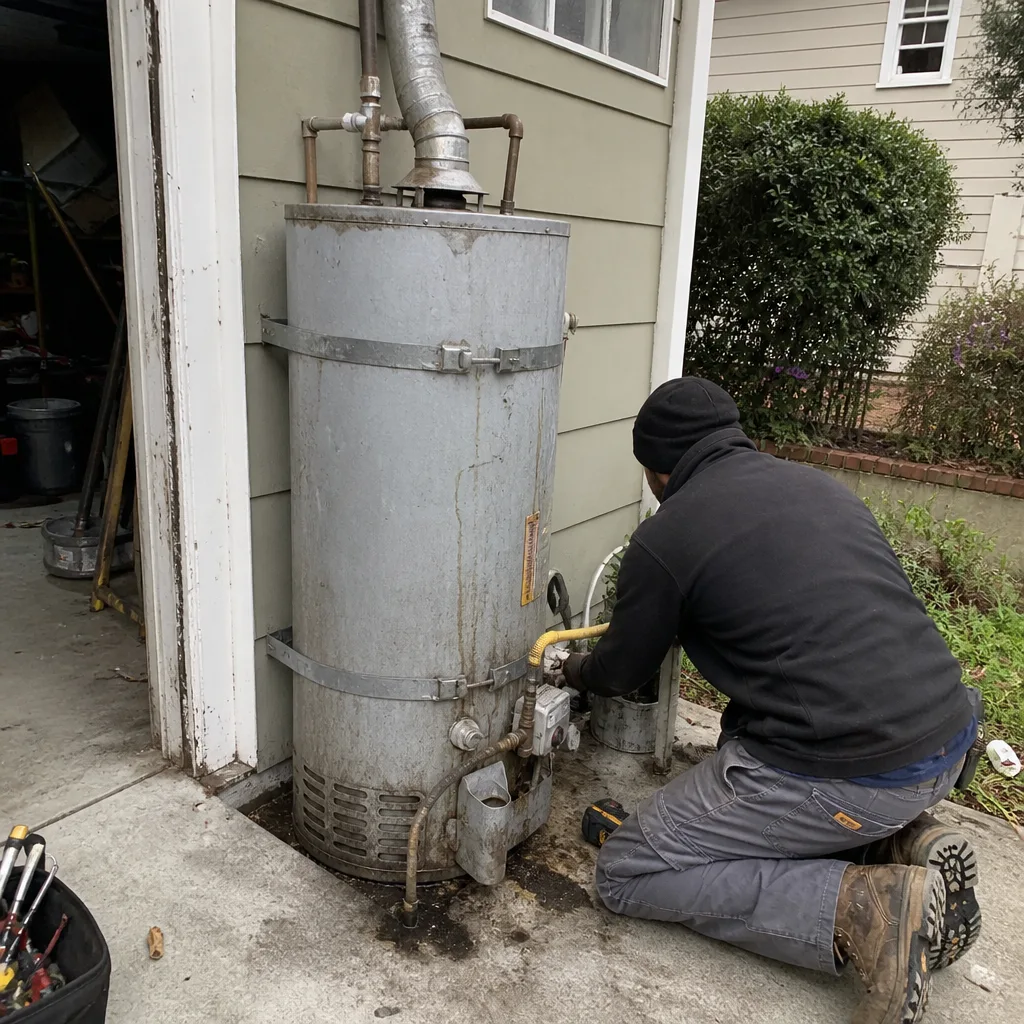
- Water heaters and gas appliances: Replacing a water heater requires a permit in nearly every California jurisdiction, including San Bruno, because of seismic strapping and gas line safety requirements.
We see the same pattern at our Home Renovation in Santa Cruz projects: homeowners who check with the building department before demolition save themselves a lot of grief. The permitting threshold isn’t a suggestion. It’s a legal line, and the building official has the authority to require removal of unpermitted work.
What’s Genuinely Exempt: Cosmetic Work That Needs No Permit
The other half of the knowledge gap is knowing what you can do without any paperwork. Homeowners often believe they need a permit for everything, which leads to the opposite problem: paying fees and waiting for approvals on work that the building department wouldn’t even review. Here’s what’s genuinely exempt under California law and San Bruno’s local amendments:
- Painting and wallpaper: Interior and exterior painting, regardless of scope, requires no permit.
- Flooring: Installing carpet, hardwood, laminate, tile, or vinyl over an existing floor structure. If you’re adding structural support or reinforcing joists, that’s a different story.
- Cabinet refacing or replacement: Swapping cabinet doors, refacing boxes, or installing new cabinets in the same footprint without moving plumbing, electrical, or structural walls requires no permit.
- Countertop replacement: Replacing countertops like for like, even with a material change to Cambria or Silestone quartz, requires no permit as long as you’re not moving plumbing or altering the cabinet structure.
- Trim and molding: Crown molding, baseboards, casing, and wainscoting are cosmetic.
- Fixtures: Replacing a faucet, toilet, light fixture, or switch in the same location without altering rough-in plumbing or wiring requires no permit.
- Landscaping: Planting, sod, irrigation, and decorative hardscape that doesn’t create a structure. Note: decks, pergolas, and covered patios are structures, not landscaping.
- Minor repairs: Patching drywall, replacing a few roof shingles, reglazing a window, or replacing a broken tile.
One nuance worth stating clearly: the dollar amount you spend is not the deciding factor. A $60,000 cosmetic kitchen remodel with KraftMaid cabinets and Cambria countertops may require zero permits if the footprint, plumbing, electrical, and structure stay exactly as they were. A $2,000 project that moves a single drain line requires a permit. This is why material-first planning matters: choosing cabinet lines like KraftMaid or Wellborn and countertop brands like Silestone early in the design phase lets you lock a footprint and avoid scope creep that would trigger new approvals.
How the San Bruno Building Division Inspection Sequence Works
The San Bruno Building Division operates under the city’s adopted California Building Standards Code. Inspections are scheduled through the division, typically with a next-day or two-day turnaround. The sequence is predictable if you know it in advance, and that predictability matters because your contractor’s crew schedule depends on passing each inspection before the next phase can begin.
Here’s the standard inspection sequence for a typical interior remodel in San Bruno:
- Plan review and permit issuance: Your contractor or architect submits plans, the building division reviews them for code compliance, and the permit is issued once the review passes and fees are paid.
- Demolition inspection (if required): Some projects require an inspection after demo and before new framing begins, particularly when structural walls are involved.
- Rough framing inspection: The inspector verifies stud spacing, header sizes, hold-downs, shear wall nailing, and fire blocking before insulation goes in.
- Rough electrical inspection: Wiring, boxes, and panel work are checked before drywall covers them.
- Rough plumbing inspection: Drain lines, supply lines, and vent systems are checked under pressure or with a visual for slope and support.
- Rough mechanical inspection: Ductwork, vents, and HVAC rough-in are verified.
- Insulation inspection: The inspector verifies insulation R-values and placement before drywall.
- Lath and/or drywall inspection: In some San Bruno projects, the inspector checks screw spacing and panel placement before taping.
- Final inspection: Once all trade work is complete and fixtures are installed, the inspector walks the entire project to sign off.
San Bruno schedules inspections through the city’s online portal, and they’re typically assigned a morning or afternoon window rather than an exact time. This matters for your contractor’s crew planning. A good general contractor sequences work so that the crew continues on non-inspection tasks while waiting for the inspector to arrive, rather than standing idle. We coordinate this on every Home Remodeling in Santa Cruz and San Bruno project because an idle crew on a Tuesday afternoon is a cost that no homeowner should absorb.
One specific note for San Bruno homeowners: the city is strict about re-inspection fees. If an inspection fails because the work wasn’t ready or a previous correction wasn’t made, the re-inspection fee typically doubles. Inspectors don’t appreciate showing up to a rough framing inspection with insulation already covering the stud cavities. Your contractor should have a pre-inspection walk to verify everything against the checklist before the city inspector arrives, as covered in our Construction Warning Signs: A San Bruno Homeowner’s Reference Guide.
As-Built Permits: What They Are and When You Need One
An as-built permit is a retroactive permit for construction that was completed without one. It’s how California handles unpermitted work that a homeowner wants to legitimize, either before selling the house or after discovering it during a purchase. The term is used in two common situations: a seller who wants to clear title issues before listing, and a buyer who inherits unpermitted work and needs to determine whether it can be legalized.
The process isn’t as simple as paying a fine and walking away with a permit. Here’s how it works:
- Documentation: The building division requires drawings that show the structure as it currently exists. These are called as-built drawings, and they’re typically prepared by a draftsperson or architect who measures the existing conditions.
- Code evaluation: The building official evaluates the work against the code that was in effect when the work was performed. If the work was done under an older code and is otherwise structurally sound, it may be grandfathered for those specific provisions.
- Invasive inspection: The building division may require demolition of wall finishes to inspect framing, electrical, plumbing, and insulation that would have been visible at rough inspection. This is the part that surprises homeowners: they thought they’d show photos of the work and walk away with a permit, but the city can’t verify what it can’t see.
- Corrections: If the inspector finds non-compliant work, those items must be corrected before the as-built permit is finalized.
- Fees and penalties: The permit fee is assessed at the current rate, and some jurisdictions, including San Bruno, may assess a penalty multiplier for work completed without permits.
When we work as a General Contractor in Santa Cruz and in San Bruno on homes with unpermitted additions, the as-built path is often the right one before a sale. It clears the title, removes disclosure-negotiation leverage from buyers, and turns a liability into a documented condition. But the key insight is this: as-built permits are only available for work that can be verified and brought into compliance. If the work can’t be verified, it may need to be removed. That’s the demolition scenario mentioned at the top of this guide.
Title 24 Energy Compliance: How It Shapes Your Material and System Choices
Title 24 is the energy efficiency portion of the California Code of Regulations. It applies to every permitted residential project in California, and it dictates performance standards for the building envelope, lighting, HVAC, and water heating systems. If your project requires a permit, it requires Title 24 compliance documentation. There’s no exception for small jobs or interior-only remodels that trigger an energy code provision.
Here’s what Title 24 means in practice for common San Bruno projects:
- Windows and doors: Any window or exterior door replaced on a permitted project must meet U-factor and SHGC (solar heat gain coefficient) requirements for the San Bruno climate zone. This is why your contractor should verify window specs before ordering, not after.
- Insulation: Attic and wall insulation must meet minimum R-values for the climate zone. San Bruno’s marine-influenced climate lands in a moderate zone, but the code requirements are still specific and enforceable.
- Lighting: Kitchens and bathrooms must meet high-efficacy lighting requirements. This means certain percentages of lamps must be LED or equivalent.
- HVAC: New or replaced HVAC systems must meet minimum efficiency ratings, proper duct sealing, and verified airflow. The Title 24 certificate for a furnace swap includes a refrigerant charge check and airflow measurement.
- Water heating: Replaced water heaters must meet updated energy factor requirements, and heat pump water heaters are increasingly the default compliant option in California.
- Cool roofs: Roof replacements in San Bruno require a cool roof material that meets Title 24 reflectance and emittance standards. This matters when you’re choosing roofing products from the lines we source through GAF, CertainTeed, or Owens Corning, each of which offers Title 24-compliant options.
Most homeowners never read the Title 24 compliance documentation. They see the fee on the permit invoice and move on. But the compliance forms shape your material choices in real ways. A homeowner who falls in love with a specific window line that doesn’t meet the local SHGC requirement either changes windows or pays for a compliance trade-off elsewhere in the project. A contractor who knows Title 24 well can steer you toward options that meet code and match your design intent. That’s the practical value, and it comes from working with a general contractor who manages this on every project, not a homeowner trying to decode the CEC website at midnight.
Stop-Work Orders: What to Do and What Not to Say
A stop-work order is exactly what it sounds like: a written directive from the building division that all construction activity must cease immediately. It’s usually posted on the front of the house, and it remains in effect until the underlying issue is resolved and the building department lifts it. Stop-work orders are issued when unpermitted work is discovered during an inspection of a neighboring property, after a complaint, or during a routine code enforcement sweep.
If you receive a stop-work order, here’s the correct sequence:
- Read the order carefully. It will state the specific violation and the process to correct it.
- Stop the work immediately. Continuing to work after a stop-work order is posted is an independent violation with additional penalties, and some jurisdictions treat it as a misdemeanor.
- Call the building division. Your contractor or you should speak with the issuing inspector or the plans examiner who handles the file. Ask what’s needed to clear the order: plans, permit application, fees, corrections.
- Submit the required documentation. This usually means a permit application with drawings for the unpermitted work, or an as-built permit if the work is already complete.
- Schedule the inspection or corrections. Once the permit is issued, inspections proceed on the normal sequence.
What not to say to an inspector or code enforcement officer:
- Do not say “we didn’t know we needed a permit.” California law doesn’t recognize ignorance of the permit requirement as a defense, and saying this in writing or on record doesn’t help.
- Do not say “the previous owner did that work.” The building department’s response will be that you now own the property, and the violation attaches to the property, not the person who did the work.
- Do not say “I’ll have my contractor take a look at it later.” This reads as continued noncompliance and can trigger daily fines in some jurisdictions.
- Do not argue that the work is safe. The inspector’s authority is to verify compliance, not to take your word for safety.
In our experience, the fastest path off a stop-work order is cooperation. The building division’s interest is compliance, not punishment. A homeowner who moves quickly to file the right permit application and schedule the required inspection clears the order far faster than one who fights the process.
Choosing a Contractor Who Handles Permits Correctly
The permit system in California is a structured risk-management tool. When the process works, it verifies that your home meets current safety and energy standards. When it’s bypassed, it creates a cloud over the property that follows the house through every subsequent sale. The contractor you choose is the single biggest factor in which path your project takes.
Here’s what to look for in a contractor who navigates permits correctly:
- They pull permits on every qualifying project, without negotiation. A contractor who suggests skipping the permit to save money is transferring risk to you. That’s not a favor.
- They know the San Bruno Building Division process specifically. General code knowledge isn’t enough. Each jurisdiction has local amendments, inspection quirks, and plan-review preferences.
- They sequence inspections into the schedule. Permitting isn’t a pause button; it’s a planned step. A good contractor builds inspection dates into the schedule so the crew never stands idle waiting on the inspector.
- They understand Title 24 at the material-selection level. This means they can tell you which window package, insulation level, and water heating option keeps the project compliant without forcing cost surprises at the permit counter.
- They manage the as-built process if it becomes necessary. If you’re buying a house with unpermitted work or selling one, a contractor who knows how to document as-built conditions and correct noncompliant items is worth their fee in escrow savings.
San Bruno Construction coordinates this on every project. We work with over 50 product brands across cabinetry, countertops, plumbing, roofing, windows, doors, siding, and ADU construction, which means the materials we specify during design are selected with code compliance in mind from the first conversation. Whether it’s a KraftMaid cabinet layout in a San Bruno kitchen or a Wellborn vanity line in a Santa Cruz bathroom, the decisions that trigger permit review are handled before they become surprises at plan check.
Common Mistakes to Avoid
- Assuming cosmetic work needs a permit, then overpaying for approvals. The inverse mistake wastes money on fees and plan review for work that’s genuinely exempt.
- Starting demolition before the permit is issued. Once demo begins without a permit, any inspector who walks by can issue a stop-work order, and the clock on noncompliance starts running.
- Using a contractor who agrees to work unpermitted to save $2,000. The savings evaporate at resale, at insurance claim time, and during code enforcement.
- Ordering windows or doors before Title 24 compliance is verified. Custom-sized noncompliant windows are non-returnable. This is a $5,000 mistake that we’ve seen more than once.
- Waiting until listing to address unpermitted work. As-built permits take weeks, not days. The time to start the process is before the sign goes in the yard, not during escrow.
- Letting a sub-contractor schedule their own inspections without coordination. Inspections are sequenced. An electrician who calls for rough inspection before framing is complete wastes the inspection and triggers a re-inspection fee.
See the difference
 Before
 After
 Before
 After
 Before
 After
When to Call a Professional
Every project in this guide is one where a general contractor earns their fee by managing the permit process from start to finish, as detailed in our General Contractor Maintenance Checklist for San Bruno Homeowners. If you’re planning a structural change, an addition, an ADU, a re-roof, a window replacement with changed openings, or any work that touches plumbing or electrical rough-in, call a professional before you start. The specific scenarios where a contractor is essential: you’ve received a stop-work order, you’re selling a house with unpermitted work, you’re buying a house that needs an as-built permit, or you’re planning an ADU through a prefab brand and need coordination with the local building division. San Bruno Construction offers free estimates in San Bruno, call (866) 472-1908 to schedule one.
Frequently Asked Questions
You must disclose unpermitted work on the seller’s disclosure statement. Failure to disclose creates post-sale liability for defects, misrepresentation, and in some cases, fraud. Buyers often use unpermitted work as a negotiation lever, and lenders may refuse to finance a property with unverified additions. The clean path is to obtain an as-built permit before listing.
San Bruno’s permit fees are based on the valuation of the work, and the exact amount varies by project scope and the current fee schedule. Plan review fees are typically separate from permit issuance fees, and some projects also carry school impact fees or utility connection fees. Your contractor or the building division can provide an estimate once plans are submitted.
Yes, California allows homeowners to act as owner-builders for their own primary residence. The catch: when you sell within one year of completing the work, you must disclose the owner-builder permit to buyers, and some buyers’ lenders view owner-built work as higher risk. For most full-scale remodels, a licensed general contractor is the better route.
Plan review timelines vary by project complexity and current building division workload. A simple like-for-like replacement may be approved over the counter or within days. A structural addition or ADU can take weeks. Your contractor’s familiarity with the division’s review preferences is the biggest factor in avoiding resubmittal cycles.
Yes. Prefab and modular ADUs from manufacturers like Abodu, Dvele, Mighty Buildings, and Boxabl still require a city-issued building permit for the foundation, utility connections, and structural anchoring. The factory-built portion is inspected at the plant under state program rules, which can speed local review, but the local permit is not optional.
Permits that expire without an inspection in progress can often be renewed by paying a renewal fee. If work was completed under an expired permit without final inspection, the project enters a gray area that may require re-opening the permit, completing outstanding inspections, and addressing any code changes since the original permit was issued.
The Bottom Line
California’s permit system exists to verify that your home meets safety and energy standards, and it works when it’s treated as part of the project plan rather than an obstacle to work around. The projects that require permits are structural, electrical, plumbing, mechanical, and envelope changes, while genuine cosmetic work is exempt. San Bruno’s inspection sequence is predictable, Title 24 shapes your material choices, and unpermitted work has a documented path to as-built legalization if you start the process before listing. The contractor you choose determines which side of this system you’re on. San Bruno Construction manages permits, inspections, and Title 24 compliance as a core part of every project. Call (866) 472-1908 for a free estimate, and we’ll walk you through what your project needs before you spend a dollar. For more guides & resources, visit our blog.
Written by the team at San Bruno Construction, serving San Bruno since 2016.