
Last updated October 30, 2026
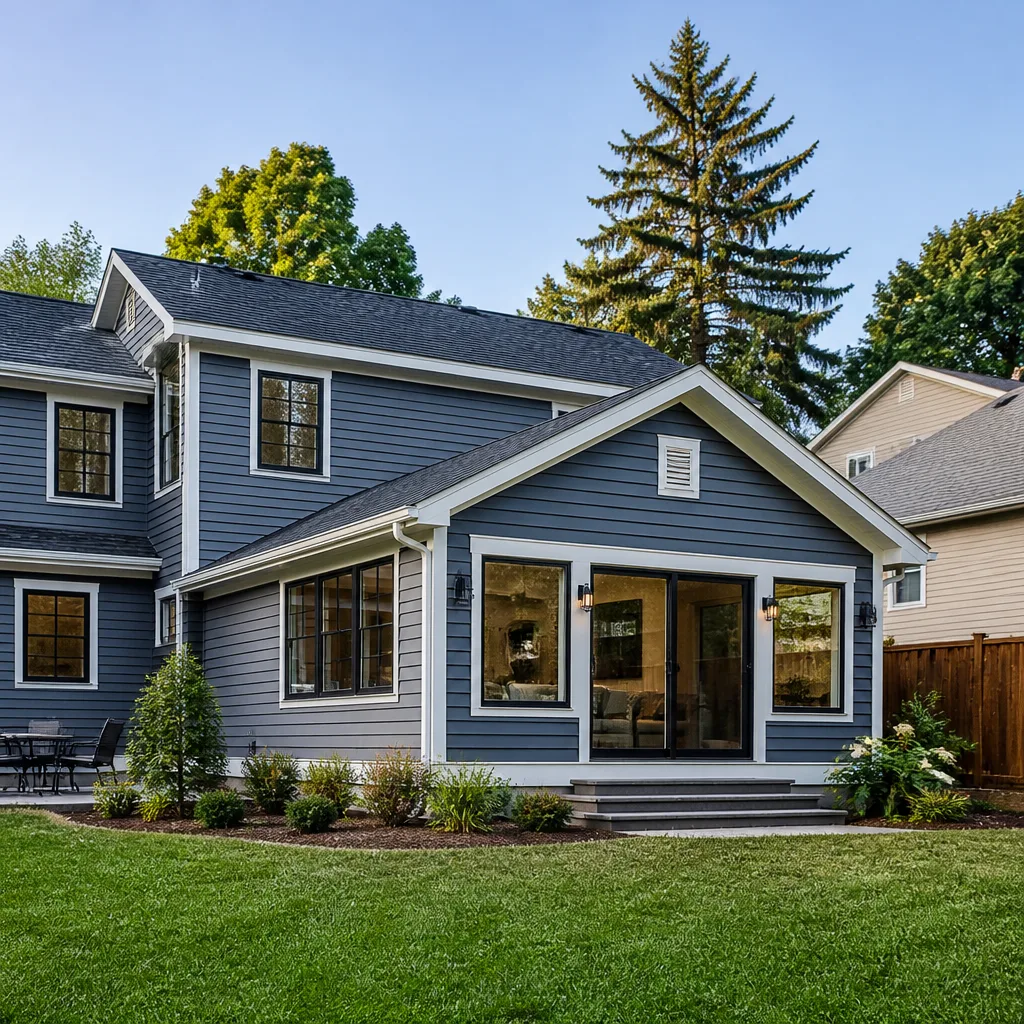 Home additions & ADU
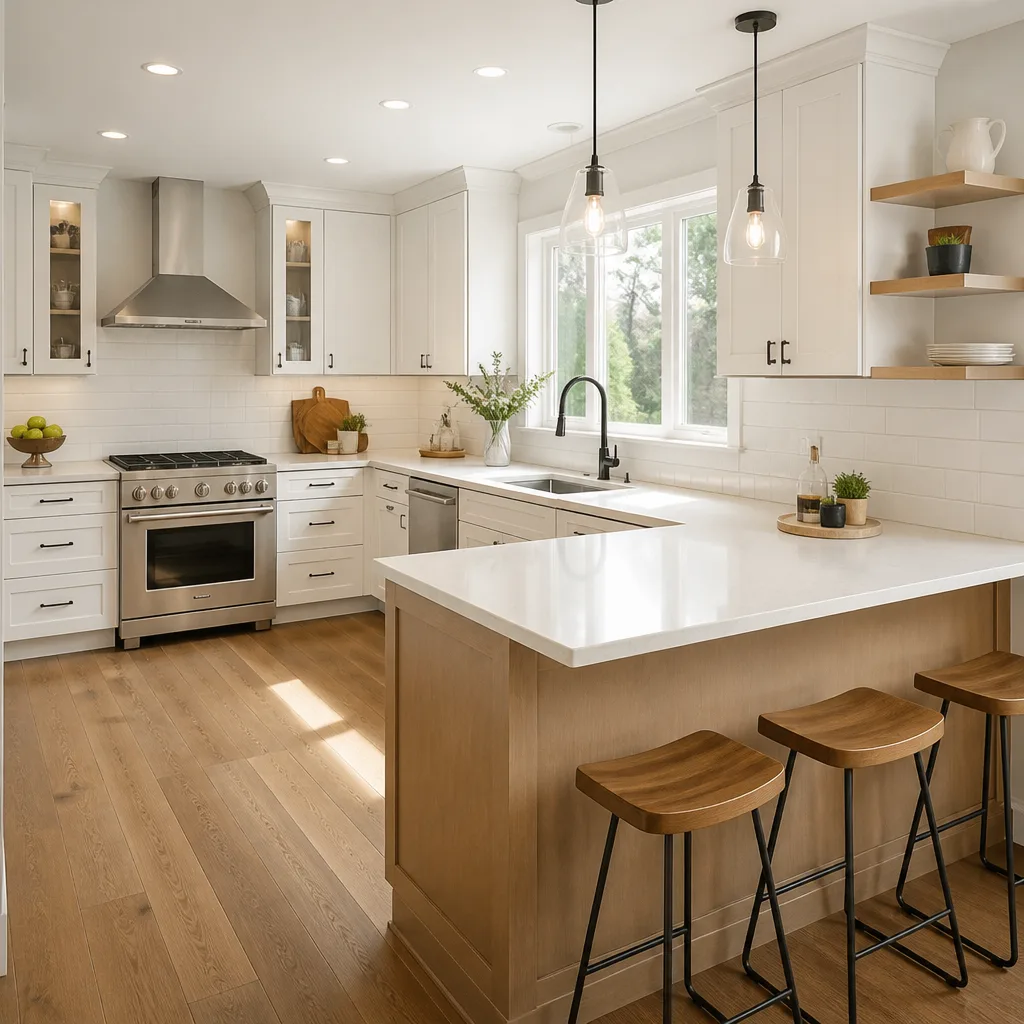 Kitchen remodeling
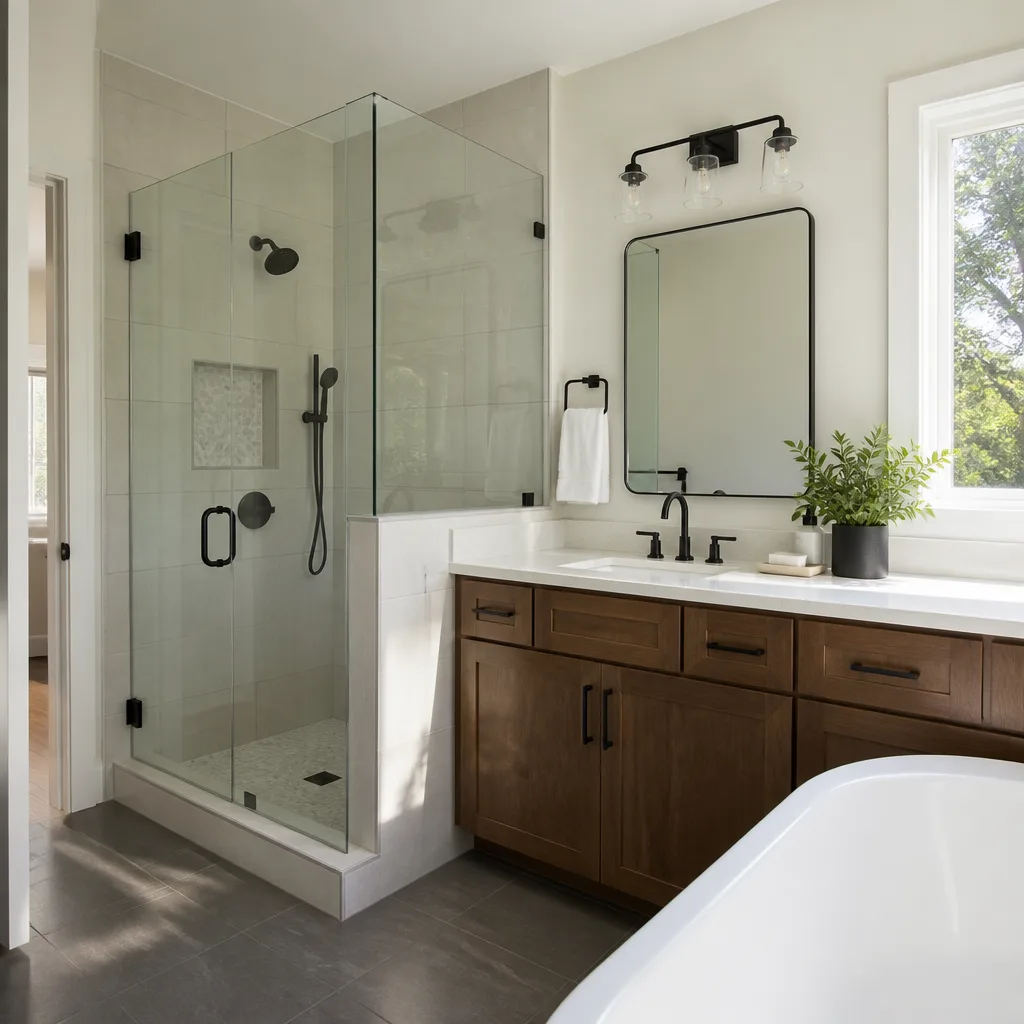 Bathroom remodeling
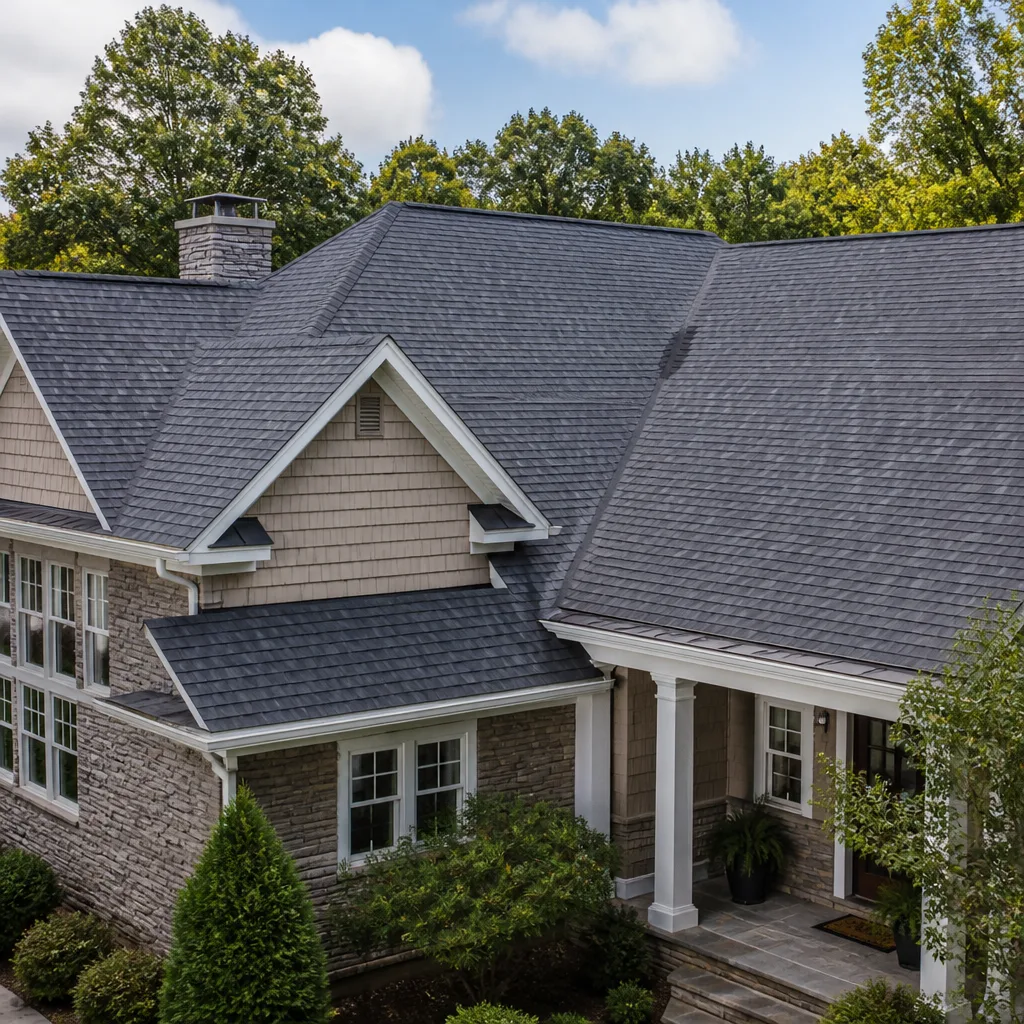 Roofing
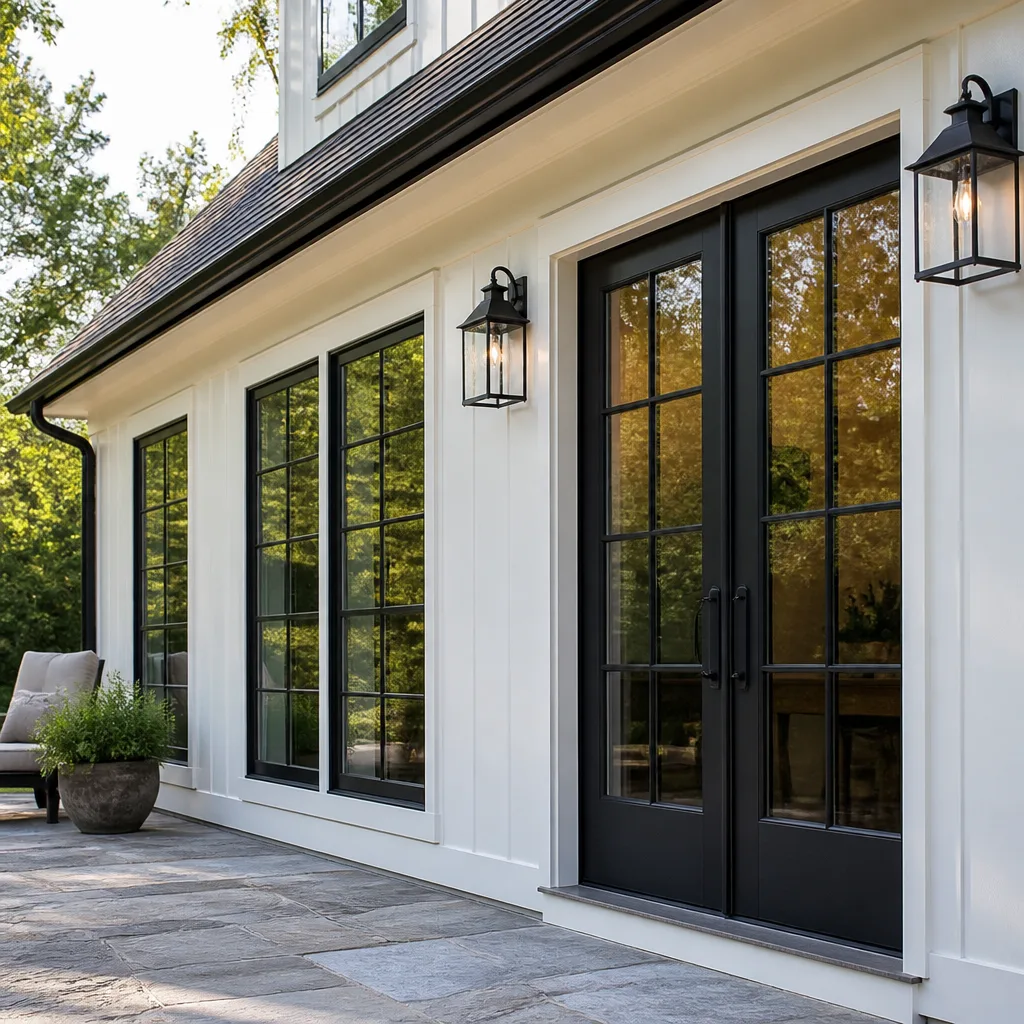 Windows & doors
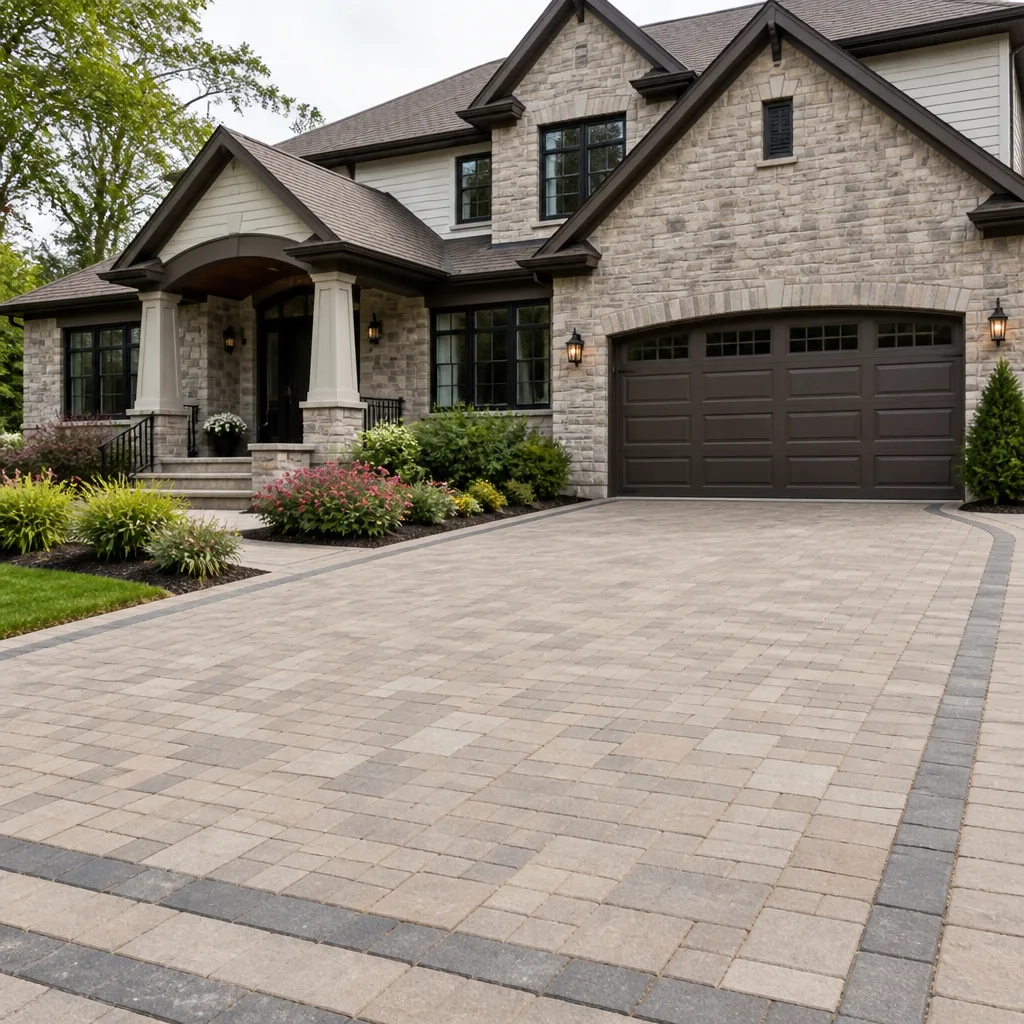 Driveway & pavers
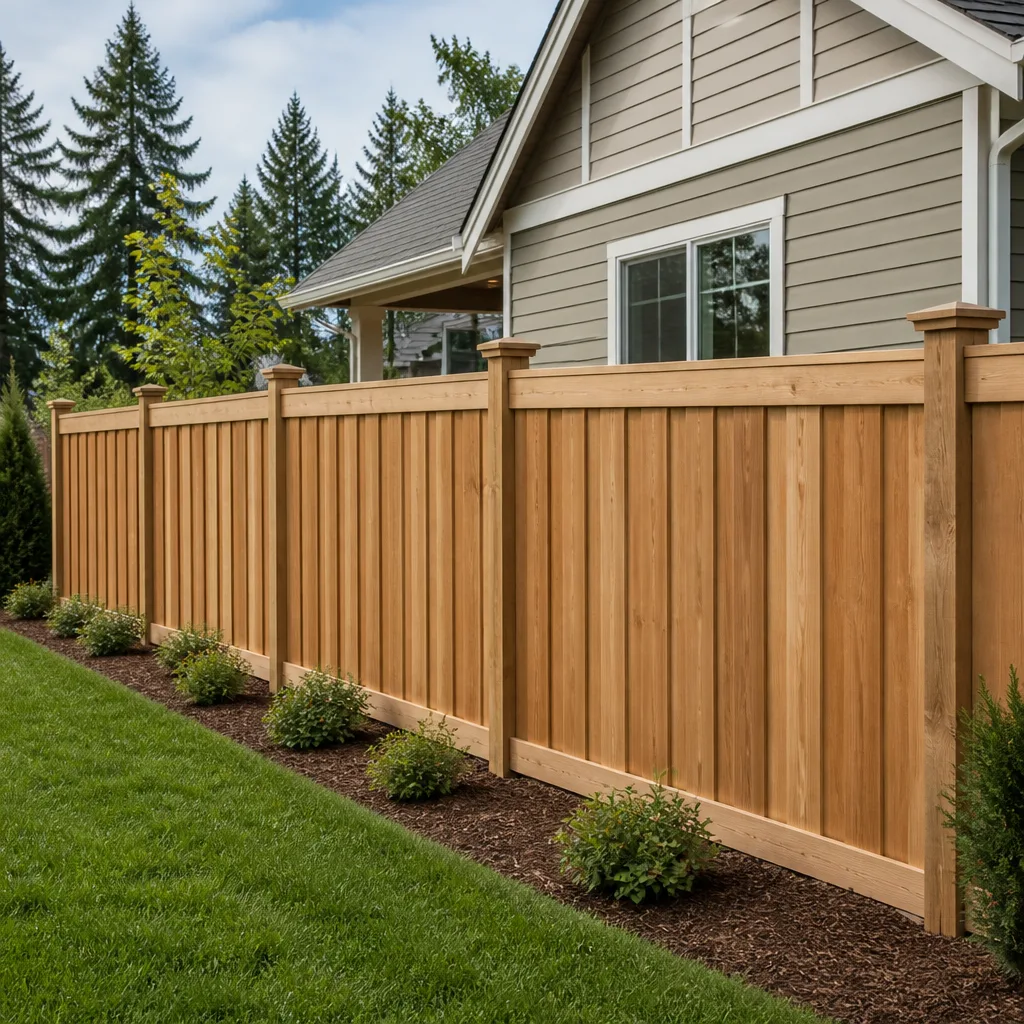 Fence
Free written scope consultation - allowances, timeline, and change-order rules on paper before a single trade is scheduled
Construction Cost Breakdown: The San Bruno Homeowner’s Reference for 2026
Here’s the number that catches most San Bruno homeowners off guard: $48,000. That’s the median cost for a mid-range bathroom remodel in our city right now, roughly 70% higher than what national home improvement sites suggest. The gap isn’t inflated contractor pricing. It’s the reality of Peninsula labor rates, seismic code compliance, a permit process that moves at its own pace, and material logistics for homes built on hillsides with narrow access. This guide breaks down what construction actually costs in San Bruno for 2026, room by room and trade by trade, so you can plan a budget that reflects this market rather than a national average that was never accurate here.
Quick Answer
In San Bruno, budget $280 to $420 per square foot for interior remodeling in 2026, with kitchens at $350 to $550 per square foot, bathrooms at $280 to $420 per square foot, and whole-home renovations landing between $200 and $350 per square foot depending on age and existing conditions. A site-built ADU runs $380 to $520 per square foot, while a prefab ADU through Abodu or Plant Prefab typically comes in between $320 and $450 per square foot once site work and utility connections are included. Permit fees, school impact fees, and utility hookups add 4% to 8% to total project cost on average in San Bruno.
Styles & brands we work with
Table of Contents
- Why San Bruno Costs More Than the National Average
- Room-by-Room 2026 Cost Ranges
- The Materials Decision: Where Mid-Range and High-End Actually Split
- Permit Fees, School Impact Fees, and Soft Costs
- How to Read a Contractor Estimate Line by Line
- ADU Cost Breakdown: Prefab vs. Site-Built in San Bruno
- Common Mistakes to Avoid
- When to Call a Professional
- Frequently Asked Questions
Why San Bruno Costs More Than the National Average
San Bruno sits in a price band that reflects three realities no national cost guide accounts for. First, Peninsula labor rates are driven by the same housing costs homeowners feel directly. A licensed carpenter making $45 to $65 per hour, a plumber at $90 to $150 per hour, and an electrician at $100 to $160 per hour are standard rates here, and those numbers flow straight into every project estimate. Second, San Bruno’s location means materials move through Bay Area distribution centers where commercial rents and fuel surcharges add cost before a single board reaches your job site. Third, our city’s permit process requires plans that meet California’s seismic and energy codes, which means engineering time and plan-check fees that homeowners in lower-cost states never encounter. For a full breakdown of how we manage these variables across project types, see the San Bruno Construction home page. This is the same pressure cooker that shapes costs for our work as a General Contractor in Santa Cruz, where coastal conditions and hillside lots create their own add-ons.
In our experience working across San Bruno neighborhoods from Mills Park to Crestmoor, homes built between the 1940s and 1970s carry predictable cost multipliers. Knob-and-tube wiring, galvanized steel plumbing, asbestos-containing materials in older drywall and flooring, and floor joists that were never sized for a second-story addition all show up as line items. None of these are reasons to avoid a project. They are reasons to budget for discovery work during demolition and to choose a contractor who has seen them before.
San Bruno Cost Multipliers at a Glance
- Labor: 20-35% above national average across all trades
- Permits and plan check: 4-8% of total project cost
- Material handling: 3-5% premium for hillside and narrow-access deliveries
- Seismic and energy code compliance: 5-10% of structural work
- Discovery work in pre-1980 homes: 5-15% contingency above initial estimate
Understanding this upfront is what lets San Bruno homeowners plan accurately. National averages create false expectations. Local numbers create realistic budgets. You can see the same principle at work in our guide on Home Remodeling in Santa Cruz, where ocean-adjacent homes carry their own moisture and foundation variables that reshape budgets.
Room-by-Room 2026 Cost Ranges
These ranges reflect what we see on San Bruno projects in 2026. They assume a licensed general contractor coordinating trades, pulling permits, and using mid-range to premium material selections. Handyman-level work costs less and also skips the permits, engineering, and accountability that protect your investment.
Kitchen Remodel
- Low tier ($350-$425/sq ft, or $45,000-$65,000 for a 150 sq ft kitchen): Stock or semi-custom cabinets from KraftMaid, laminate or mid-grade quartz countertops, a straightforward footprint with no wall removal, plumbing and electrical stays in place.
- Mid tier ($425-$500/sq ft, or $65,000-$85,000): Semi-custom to custom cabinetry from Wellborn, Cambria or Silestone quartz countertops, a new island, modest layout changes, upgraded appliances, better lighting with dedicated circuits.
- High tier ($500-$550+/sq ft, or $85,000-$120,000+): Structural wall removal with beam installation, custom cabinetry throughout, premium countertops with dramatic veining, Toto kitchen fixtures, designer lighting, and flooring tied into adjacent rooms.
The single biggest swing factor is whether you move plumbing or electrical. Keeping a sink where it is saves $3,000 to $8,000. Moving it across the room can add a week of work and require opening ceilings or floors below. Cabinet quality matters, but layout decisions cost more than finish decisions.
Bathroom Remodel
- Low tier ($280-$320/sq ft, or $35,000-$45,000 for a 100 sq ft bathroom): New fixtures within the existing footprint, American Standard or Sterling tub and toilet, tile shower surround rather than full custom tile, a new vanity with mid-range construction.
- Mid tier ($320-$400/sq ft, or $45,000-$60,000): Custom tile work including a walk-in shower with Schluter waterproofing underlayment, a freestanding tub, upgraded vanity with Cambria countertop, new lighting and ventilation.
- High tier ($400-$420+/sq ft, or $60,000-$85,000+): Full layout changes, moving plumbing, curbless showers with custom glass enclosures, Toto toilets and bidets, heated floors, premium stone throughout.
In San Bruno’s 1950s and 1960s homes, bathroom remodels almost always uncover galvanized supply lines or cast-iron drain pipes near end of life. Budget $2,000 to $6,000 for pipe replacement when walls are open, because replacing them later means tearing out the same work twice. Schluter waterproofing systems are our standard in wet areas because the Peninsula’s winter moisture makes membrane failures show up faster here than in drier climates.
Whole-Home Renovation
- Cosmetic refresh ($200-$250/sq ft): New flooring, paint, light fixtures, and countertops across 1,500-2,000 sq ft without structural changes.
- Full renovation ($250-$350/sq ft): Everything in the cosmetic refresh plus kitchen and bathroom remodels, electrical panel upgrade, some wall changes, new doors and trim.
- Down-to-studs renovation ($350+/sq ft): Full gut, new insulation, seismic retrofitting, rewiring, repiping, reconfiguration, and code-compliant egress where needed.
Whole-home work in San Bruno frequently triggers additional requirements. Any home undergoing major renovation must meet current energy standards under Title 24, which can mean added insulation, window upgrades, or a new HVAC system. Seismic bolting and bracing on raised foundations adds $5,000 to $15,000 depending on access and existing conditions. These aren’t optional extras; the city will require them before final inspection.
Exterior Projects
- Roof replacement: $22,000 to $38,000 for a typical San Bruno 1,500 sq ft home, depending on pitch, tear-off layers, and material choice. GAF architectural shingles anchor the mid-range; CertainTeed and Owens Corning offer premium lines with better wind ratings for our coastal gusts.
- Siding: $18,000 to $35,000. James Hardie fiber cement dominates on the Peninsula because of fire resistance and moisture performance in San Bruno’s fog zone.
- Window replacement: $800 to $1,800 per window installed, with bay and picture windows running higher. Energy-efficient dual-pane windows are a minimum standard here, not an upgrade.
- Hardscaping: $25 to $40 per square foot for Belgard and Unilock pavers with proper base preparation and drainage. San Bruno’s clay soil expands and contracts with rain, so base prep is where cheap bids go wrong.
If you are weighing an exterior project alongside interior work, our Home Renovation in Santa Cruz page walks through how climate and coastal exposure affect material choices in ways that also apply along the San Bruno ridge line.
The Materials Decision: Where Mid-Range and High-End Actually Split
The difference between a $280 and a $420 per square foot bathroom is not “nicer tile.” It is a set of concrete decision points that can be priced individually. When you understand these, you stop pricing a remodel as a single number and start pricing it as a set of choices.
- Waterproofing system. A basic cement board shower surround costs $800 to $1,800 in materials and labor. A full Schluter system with a pre-sloped tray, membrane, and drain assembly runs $2,500 to $4,500. The difference is the Schluter system’s integrated approach to water management, which matters in San Bruno’s damp, fog-heavy climate where hidden moisture issues compound faster.
- Fixture brand and function. An American Standard or Sterling toilet runs $250 to $500. A Toto with a washlet seat runs $2,500 to $6,000 installed. Both flush. One includes heated seats, warm air drying, and self-cleaning cycles. Faucet finish matters too: brushed nickel hides water spots better than polished chrome, which matters with Peninsula hard water.
- Cabinet construction. Stock cabinets from big-box retailers use particleboard boxes and stapled frames. KraftMaid and Wellborn semi-custom lines offer plywood boxes, soft-close hardware, and full-extension drawers with better weight ratings. The jump from stock to semi-custom runs $4,000 to $12,000 for an average kitchen and buys you a decade of functional difference.
- Countertop fabrication. Laminate runs $25 to $45 per square foot installed. Mid-range quartz from Cambria, Silestone, or Caesarstone runs $75 to $120 per square foot. The quartz lines hold up better against staining, resist chipping from San Bruno’s hard water scale, and carry warranties that laminate does not.
- Flooring substrate. Tile over a cracked slab will crack too. Proper underlayment, whether it’s a decoupling membrane in a bathroom or a moisture barrier on a concrete slab, adds $1,500 to $4,000 per room. It is the least visible line item and the most common source of warranty claims when skipped.
- Lighting design. Replacing a single center fixture costs $200. Adding layered lighting with recessed cans, under-cabinet strips, and dimmers runs $2,500 to $5,000 for a kitchen. In San Bruno’s overcast spring months, rooms without layered lighting feel dim by 4 p.m. from February through June.
Every San Bruno homeowner has a material budget. The skill is spending where function and longevity benefit and saving where the difference is aesthetic only. A mid-range bathroom with a Toto toilet and Schluter waterproofing will outperform a high-end bathroom with expensive tile and a cheap drainage system. Our job as general contractors is to make sure the money lands where it does the most work. That same logic applies whether we are pricing kitchen cabinets from KraftMaid or coordinating a full interior and exterior renovation under one contract, which is what makes the difference between projects that come in on budget and projects that spiral.
Permit Fees, School Impact Fees, and Soft Costs
San Bruno’s city fees are not hidden, but they are rarely itemized in the first contractor conversation. On a $100,000 project, expect $4,000 to $8,000 in fees across these categories before any physical work begins. Here is where the money goes.
Building Permits and Plan Check
San Bruno building permit fees are calculated as a percentage of construction valuation, typically ranging from 1% to 3% depending on project type and complexity. Plan check runs 65% of the building permit fee. A bathroom remodel valued at $40,000 might incur $600 to $1,200 in permit and plan check costs. A whole-home renovation valued at $250,000 might see $4,000 to $7,500. Plan check timelines vary, but a typical kitchen or bathroom over-the-counter permit clears in weeks, while projects requiring structural review can take 6 to 12 weeks through the city’s approval process.
School Impact Fees
San Bruno charges school impact fees on residential additions and ADUs. The San Bruno Park School District and San Mateo Union High School District both assess fees based on square footage added. ADU projects under 500 square feet may qualify for reduced fees under California law, but addition projects typically incur $4 to $5 per square foot across both districts. A 400 square foot addition carries roughly $1,600 to $2,000 in school fees alone, and this is separate from building permits, separate from plan check, and separate from the contractor’s pricing.
Utility Connection Costs
New ADUs require separate water, sewer, and electrical connections. PG&E service upgrades, water meter work through San Bruno Public Services, and sewer lateral connections through the city can run $8,000 to $25,000 depending on the distance from existing infrastructure and whether trenching crosses public right-of-way. These costs apply primarily to ADUs and additions with plumbing. Interior remodels that keep plumbing locations unchanged do not incur separate utility fees.
Other Soft Costs
- Engineering: $2,000 to $8,000 for structural calculations on walls being removed, foundations being expanded, or ADUs requiring seismic design.
- Asbestos testing and abatement: $500 to $3,000 for pre-1980 homes in San Bruno, required before demolition in any area with suspect materials.
- Design and drafting: $3,000 to $15,000 if you work with an architect or independent designer rather than in-house design services.
- Furniture and relocation: $2,000 to $10,000 if you move out during a whole-home renovation. San Bruno short-term rentals run $150 to $250 per night.
None of these costs are unique to San Bruno, but the combination is what makes un-networked cost comparisons misleading. A contractor estimate that does not mention school fees or utility costs is not necessarily hiding them; the contractor may simply service areas where they don’t apply. When we price projects in San Bruno, these line items appear in writing before you sign.
How to Read a Contractor Estimate Line by Line
A written estimate is either a map or a maze. Here is how to tell which one you’re holding.
- Scope of work. Every room and every trade should be described in specific, observable language. “Install new kitchen cabinets” is useless. “Remove existing cabinets, dispose responsibly, patch drywall, install KraftMaid Lyndale maple cabinets with soft-close hinges and full-extension drawers, caulk and touch up visible seams” is a scope. Vague language is where change orders grow.
- Material allowances. Cabinets, countertops, tile, fixtures, and flooring should each carry a dollar allowance. If the estimate says $8,000 for countertops, you know exactly where you stand. If it says “mid-range countertops included,” you don’t. We find that material allowances are where surprise costs most often hide.
- Labor breakdown by trade. Demolition, framing, plumbing, electrical, tile, drywall, painting, and finish carpentry should be listed as separate lines. This lets you compare bids accurately and shows that the contractor has actually planned the sequence of work rather than guessing at a total.
- Permit and engineering costs. Every San Bruno estimate should show permit fees, plan check, and any engineering work as separate line items. If these are absent, the contractor may be planning to work unpermitted, which creates liability for you as the homeowner and problems when you sell.
- Contingency line. Every estimate should include a contingency of 5% to 10% for discovery work. In San Bruno’s older housing stock, discovering galvanized pipes or asbestos behind a wall is expected, not exceptional. A contractor who does not carry contingency is either inexperienced with our housing stock or planning to fold discovery costs into change orders later.
- Payment schedule. California law limits down payments to 10% or $1,000, whichever is less. Progressive payments should tie to completed milestones such as demolition, rough-in inspection, drywall, and final. Never pay for materials not yet on site.
- Exclusions. What is not included matters as much as what is. Furniture moving, temporary kitchen setup, dumpster permits for street placement, and off-site storage are common exclusions. If you don’t see them listed, ask.
The best estimates from a general contractor read like a project plan, not a price tag. When all trades are coordinated under one contract, the estimate should reflect that logic, with each trade’s scope aligned to the same schedule and the same finish date. That coordination is the core difference between hiring a full-scope contractor and assembling your own team of specialty subs.
ADU Cost Breakdown: Prefab vs. Site-Built in San Bruno
San Bruno allows accessory dwelling units on most single-family lots, and the cost picture has shifted significantly in the last few years. Prefab construction, once seen as cost-cutting, now often matches or exceeds site-built pricing for a comparable product, while delivering advantages in speed and quality control. Here is how the numbers actually break down in 2026.
Site-Built ADU
- Construction cost: $380 to $520 per square foot. A 500 square foot one-bedroom ADU runs $190,000 to $260,000.
- Site work: $20,000 to $50,000 for foundation, utility trenching, and grading, included in most per-square-foot estimates but worth confirming.
- Timeline: 12 to 18 months from design to final inspection in San Bruno’s current permit environment.
- Cost drivers: Labor availability, weather delays during the rainy season, and change orders from site-condition discoveries.
Prefab ADU
- Construction cost: $320 to $450 per square foot. A comparable 500 square foot unit through Abodu or Plant Prefab runs $160,000 to $225,000 including factory production.
- Site work: $25,000 to $60,000, sometimes higher because prefab requires crane access, precise foundation tolerances, and utility stubs that match factory specifications.
- Timeline: 6 to 10 months from order to occupancy, with much of that timing driven by San Bruno permitting rather than construction.
- Quality considerations: Factory construction controls moisture exposure during framing, which matters in a fog belt. Wall assemblies are consistent because they are built indoors. Inspection happens at the factory and again on site.
The decision between prefab and site-built in San Bruno usually comes down to three things: how the lot accommodates delivery, how quickly you need the unit producing rent, and whether you want design flexibility or a standardized product. Hillside lots on the west side of the city, toward Rollingwood and Pacific Heights, sometimes present crane access challenges that push prefab costs toward the high end of the range. Flat lots in the older neighborhoods east of El Camino Real are generally straightforward. Brands like Abodu, Dvele, Mighty Buildings, Boxabl, and Plant Prefab all have engineering teams that handle San Bruno-specific requirements, including our seismic zone and fire-resistive construction standards in the Wildland-Urban Interface zones along Sneath Lane and Crestmoor Canyon.
What follows the ADU decision is a full permitting and construction process that benefits from single-point coordination. You want one contractor managing foundation, utilities, factory coordination, and finishes rather than trying to broker between a factory rep and separate site contractor. That coordination is exactly the role we serve for San Bruno homeowners, same as we do for Home Remodeling in Santa Cruz clients whose ADU builds face their own coastal permitting landscape.
Common Mistakes to Avoid
- Pricing from national averages. The national average bathroom remodel price of $25,000 does not exist in San Bruno. Using it means your budget is 40% light before you start, and the choices you make under that constraint will be worse than the choices you would have made with accurate numbers.
- Skipping the contingency budget. In pre-1980 San Bruno homes, discovery work is normal. Budgeting exactly to the estimate with no buffer means every galvanized pipe and asbestos tile becomes a crisis rather than a line item.
- Choosing a bid without reading the scope. Three contractors can bid on the same kitchen and be pricing three different projects. A $55,000 bid with KraftMaid cabinets, Schluter waterproofing, and permits included is not comparable to a $48,000 bid with stock cabinets, cement board, and no permit line.
- Ignoring school impact fees on additions. San Bruno addition projects carry school district fees that some contractors don’t mention until the permit stage. Ask for a written list of all city and district fees before signing.
- Deferring seismic retrofitting. When walls are open for a remodel, adding foundation bolting and bracing costs $5,000 to $15,000 on a raised foundation. Doing it separately later doubles that because finishes must be disturbed again.
- Selecting the cheapest waterproofing. San Bruno’s fog and rain cycles punish cheap waterproofing in showers and decks. The difference between a $900 cement-board build and a $3,000 Schluter system is visible within five years in homes near the ridge line.
- Managing multiple vendors yourself. Every separate contractor adds scheduling conflicts and accountability gaps. A tile contractor who arrives before the plumber finishes rough-in waits around at your expense. One contractor coordinating trades removes that cost and that headache.
When to Call a Professional
Any project that changes plumbing, electrical, structure, or exterior envelope deserves a professional. In San Bruno specifically, call when your project involves: removing walls in a home built before 1980, where unexpected conditions are near certain; adding an ADU, where the permitting path involves multiple agencies and school district fees; replacing a roof on a home in the WUI zone along Sneath Lane or Crestmoor Canyon, where fire-resistive standards apply; any renovation in a home with knob-and-tube wiring or galvanized plumbing; or any project where you want one person accountable for the schedule across every trade. San Bruno Construction offers free estimates across San Bruno, from Mills Park to Rollingwood to Crestmoor. Call (866) 472-1908 to schedule a walkthrough and get a written, line-by-line estimate built for our city’s actual 2026 costs, not a national template.
Frequently Asked Questions
In San Bruno, remodel costs run $280 to $420 per square foot for interior work in 2026, with kitchens at $350 to $550 per square foot and bathrooms at $280 to $420 per square foot. The wide range reflects the difference between keeping existing layouts and moving plumbing, electrical, or structure. Call (866) 472-1908 for an exact quote, and we’ll provide a written estimate with material allowances spelled out.
San Bruno building permits and plan check typically run 1% to 3% of project valuation, so a $40,000 bathroom remodel carries $600 to $1,200 in basic permit costs, while a $250,000 renovation might see $4,000 to $7,500. School impact fees, utility connections, and engineering work are separate and add to the total. We include all city and district fees as line items in every estimate.
A 500 square foot ADU in San Bruno runs $190,000 to $260,000 for site-built construction and $160,000 to $225,000 for prefab through Abodu or Plant Prefab, with prefab typically saving time rather than money. Site work, utility connections, and school impact fees add $15,000 to $60,000 depending on lot conditions and access for cranes. Contact us at (866) 472-1908 for a site-specific assessment.
San Bruno construction runs 50-70% above national averages because of Peninsula labor rates, Bay Area material logistics, California seismic and energy code compliance, and local permit and school impact fees. A carpenter earning $45 to $65 per hour and a plumber at $90 to $150 per hour are standard here, and those rates reflect the same housing costs homeowners face.
Yes, but compare them line by line, not by total price. The same kitchen can be priced across a $40,000 spread depending on cabinet brand, waterproofing system, fixture choices, and whether permit fees are included in the bid or added later. A scope document with material allowances for each category is the only way to know what each bid actually covers.
Most kitchen remodels in San Bruno take 8 to 14 weeks from demolition to final inspection, depending on whether the project requires plan check for structural changes, which can add 6 to 12 weeks of city review before work begins. The permit timeline, not the construction work, is usually the longest phase. Home Renovation in Santa Cruz projects face a similar dynamic, where permit review often exceeds construction time.
The Bottom Line
San Bruno construction costs in 2026 sit at $280 to $420 per square foot for interior remodeling, $380 to $520 for site-built ADUs, and $320 to $450 for prefab ADUs, with permit fees, school impact fees, and utility connections adding 4% to 8% on top. The difference between mid-range and high-end work is specific: waterproofing systems like Schluter, cabinet construction from KraftMaid or Wellborn, countertop material from Cambria or Silestone, and fixture brands from American Standard to Toto. Read estimates line by line. Budget for discovery work. Keep one contractor accountable for every trade. If you’re planning a project and want numbers built for this city rather than a national average, call (866) 472-1908 and we’ll schedule a free estimate at your home in San Bruno.
Written by the team at San Bruno Construction, serving San Bruno since 2016.
See the difference
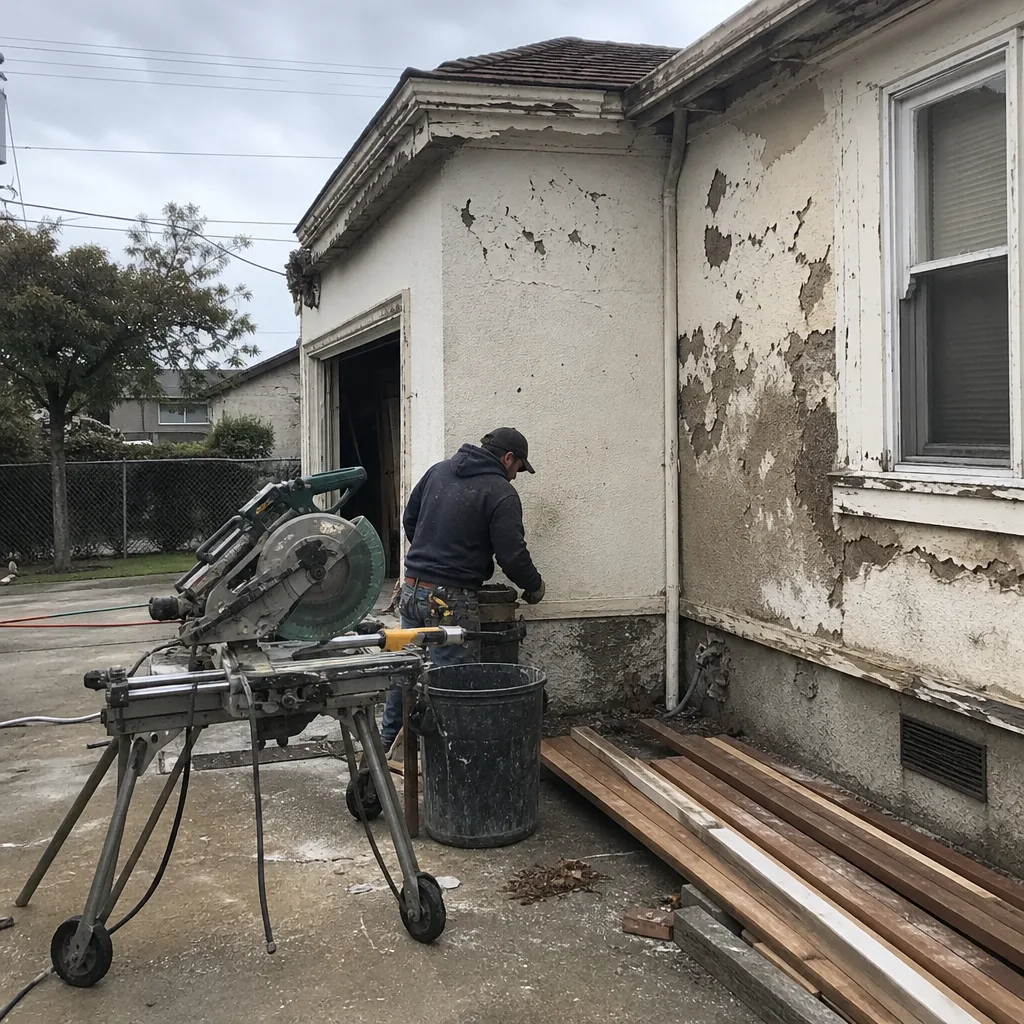 Before
 After
 Before
 After
 Before
 After